Reviews, news and how-to guides
AI articles and reviews — page 20
Find a review, catch up on the news or learn how to complete a task. Browse by topic or filter the library below.
Not sure where to begin?
Answer three questions and get a focused tool shortlist for your budget and priority.
Use the AI Tool Finder →Choose a pathway
Explore by topic
Owners and lean teams
Work & Operations
Save time on research, meetings, planning, finance, administration, and repeatable operations.
Marketing and fundraising teams
Marketing & Growth
Plan campaigns, improve social publishing, email, analytics, fundraising, and measurable growth.
Writers and publishers
Content & Search
Research, write, optimize, refresh, and distribute useful content with responsible AI workflows.
Creators and communications teams
Video, Audio & Creative
Create, edit, repurpose, and distribute video, voice, podcasts, images, and presentations.
Service and community leaders
Customers & Community
Improve customer support, donor stewardship, volunteer coordination, outreach, and client communication.
Builders and decision makers
Build, Design & Govern
Choose and deploy AI safely across websites, apps, design systems, privacy, security, and governance.
Editor recommended
Start with these essential guides
Selected by the editors to help you get started.

How Small Business Owners Can Save 10+ Hours a Week With AI Automation in 2026
A practical, no-hype guide to automating the repetitive tasks that consume small business owners' most limited resource: time.
A practical, no-hype guide to automating the repetitive tasks that consume small business owners' most limited resource: time. Written for small business owners working 50+ hours a week on operations, marketing, and admin, with a decision framework, step-by-step workflow, measurable outcomes, and clear limitations.
Read guide
How Understaffed Nonprofits Can Build Capacity With AI Tools in 2026
A strategic framework for using AI to multiply a small team's output without burning out the people you have.
A strategic framework for using AI to multiply a small team's output without burning out the people you have. Written for nonprofit executive directors leading teams of fewer than five people, with a decision framework, step-by-step workflow, measurable outcomes, and clear limitations.
Read guide
How to Choose the Right AI Tool for Your Business
Stop chasing every new AI launch. A practical decision framework for evaluating AI tools based on your actual needs, budget, and risk tolerance.
A practical decision framework for evaluating AI tools: define the problem, score contenders, decide build vs. buy, and know when to cancel. No hype, just a repeatable process.
Read guide
Recently published
Latest articles
Vid2Notes Review: Turn Training Videos Into Usable Notes
Review Vid2Notes for illustrated training notes: free upload limits, annual billing, export options and a practical accuracy check before sharing.
Review Vid2Notes for illustrated training notes: free upload limits, annual billing, export options and a practical accuracy check before sharing.
Read guide
Voice AI for Canva Review: Narration Costs and Practical Limits
Review Voice AI for Canva: character allowances, in-app generation and a narration test for presentations, training videos and client campaigns.
Review Voice AI for Canva: character allowances, in-app generation and a narration test for presentations, training videos and client campaigns.
Read guide
LayerBack Review: Turn Diagram Images Into Editable Files
Review LayerBack for editable Visio, PowerPoint and draw.io diagrams, including download credits, privacy limits and a connector-checking trial.
Review LayerBack for editable Visio, PowerPoint and draw.io diagrams, including download credits, privacy limits and a connector-checking trial.
Read guide
The weekly briefing
Make better AI decisions each week.
Get tool recommendations, product and pricing news, and a practical task to try each week.
Browse reviews, news and guides

WRITER Review 2026: Agents, Governance, Pricing, and Fit
The platform is strongest when a company needs reusable, permissioned workflows—not simply another place to ask an AI a question.
WRITER joins agents, company knowledge, playbooks, connectors, and centralized controls. Test accepted outcomes and full credit economics before scaling.
Read guide

Claude Sonnet 5.5 Is Faster—Measure the Cost of Finished Work
Unchanged token prices can still produce cheaper work if fewer tokens and retries are needed—but only a workload replay can prove it.
Claude Sonnet 5.5 promises 30%+ faster output and lower task cost. Teams should replay real work and inspect quality, retries, tool behavior, and migration changes.
Read guide

Claude Found a CRISPR-Like Enzyme System—The Lab Work Is the Story
The result is more meaningful than a generated hypothesis because researchers closed the loop with experiments—and narrower than claims that AI automated science.
Anthropic reports that Claude identified a novel enzyme system with CRISPR-like repeats. The important boundary is between computational discovery and experimental proof.
Read guide
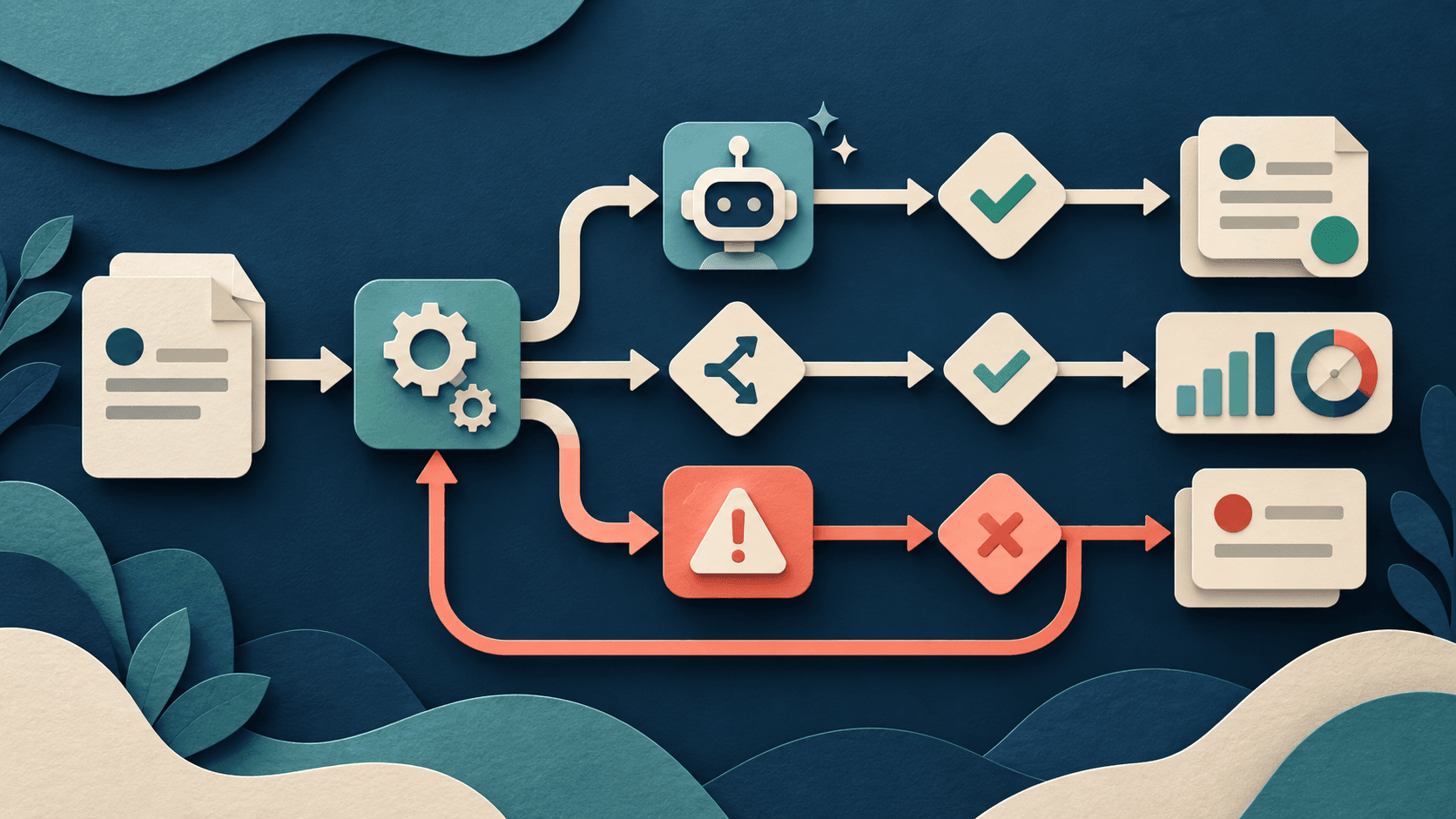
Make Review 2026: Automation, AI Agents, Pricing, and Fit
Make can expose complicated automation clearly, but a visual canvas does not remove the need for ownership, replay, budgets, and approval gates.
Make combines visual automation and AI agents. Judge it by reliable outcomes, operations per result, recovery, and maintenance—not the first successful demo.
Read guide

Synthflow Review 2026: Voice Agents, Pricing, and Call Risk
The right voice-agent metric is not calls answered; it is valid outcomes completed without trapping, misleading, or overcharging the caller.
Synthflow can automate bounded phone intents, but consent, latency, escalation, and cost per valid resolution decide whether it is ready for a live line.
Read guide
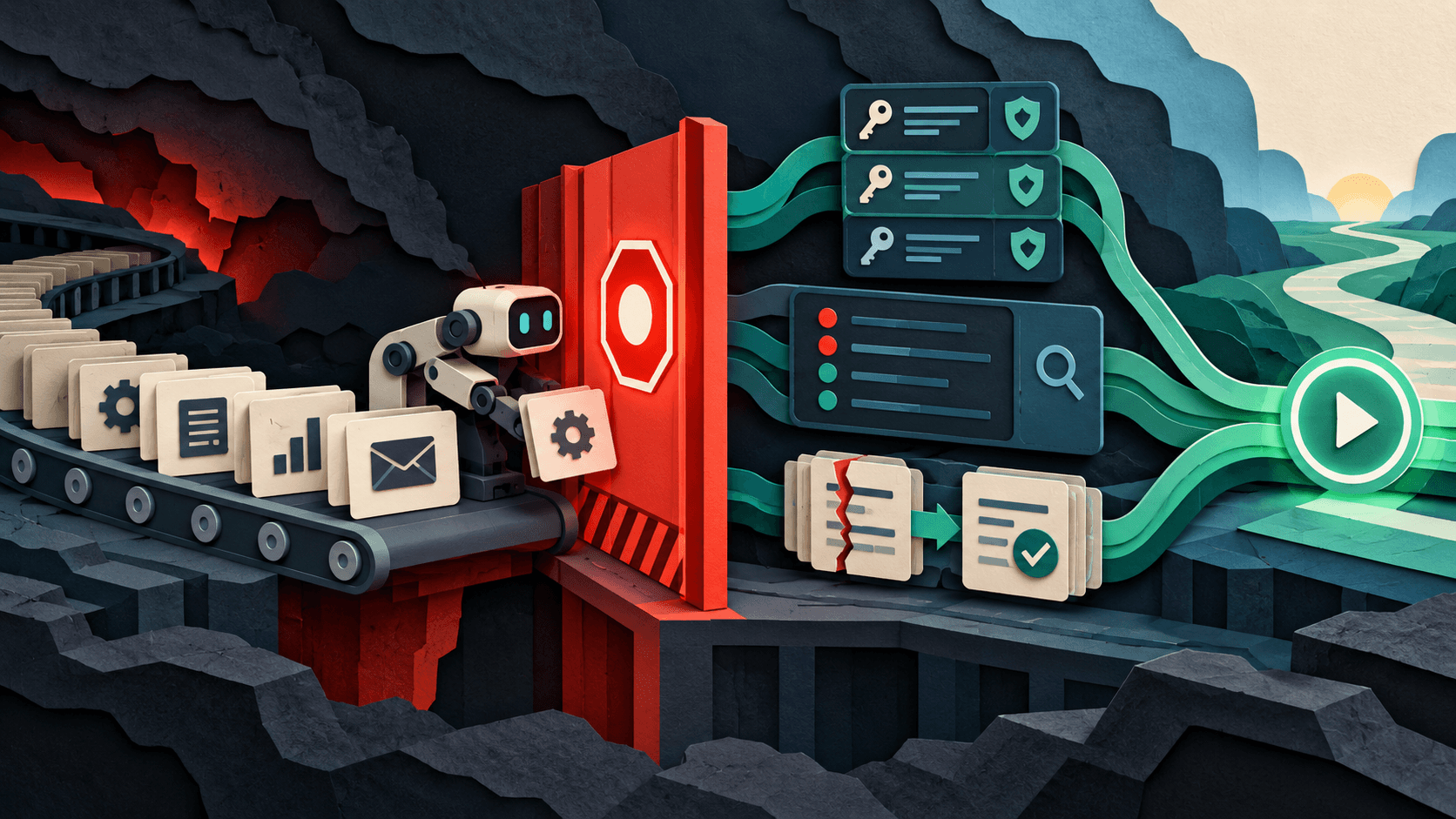
Run an AI Agent Rollback Drill Before the Agent Runs You
A kill switch is only real when the team can stop new actions, contain queued work, repair side effects, and restore service under pressure.
Practice stopping and recovering an AI agent before production trouble. This drill covers authority, queues, credentials, evidence, repair, and restart gates.
Read guide
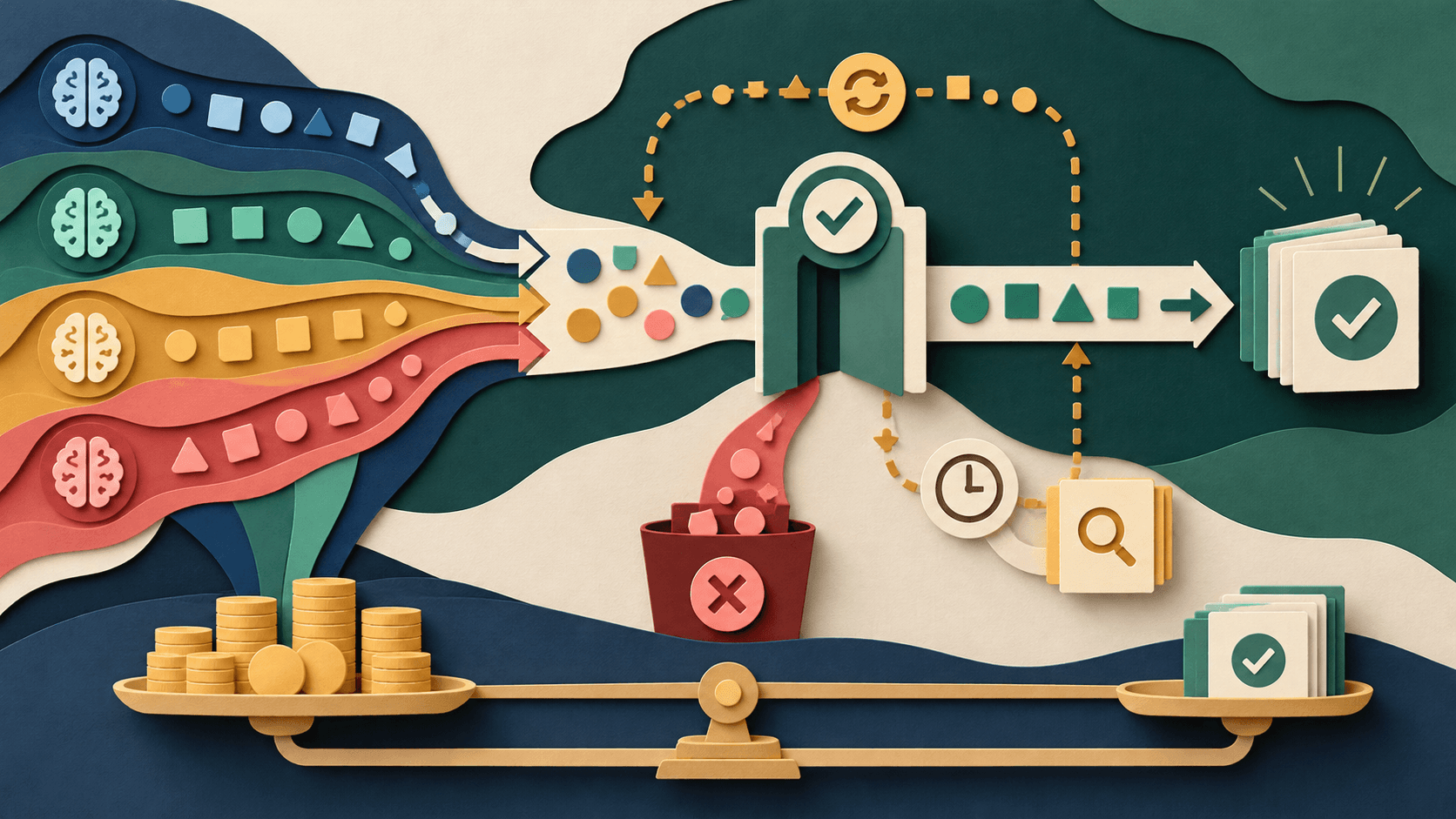
Stop Comparing AI by Token Price—Track Cost per Accepted Outcome
The cheapest model call can be the most expensive workflow once retries, corrections, failures, and rejected output enter the ledger.
Compare AI tools and models by the cost of approved work, not tokens or seats alone. This guide gives teams a repeatable outcome-level method.
Read guide
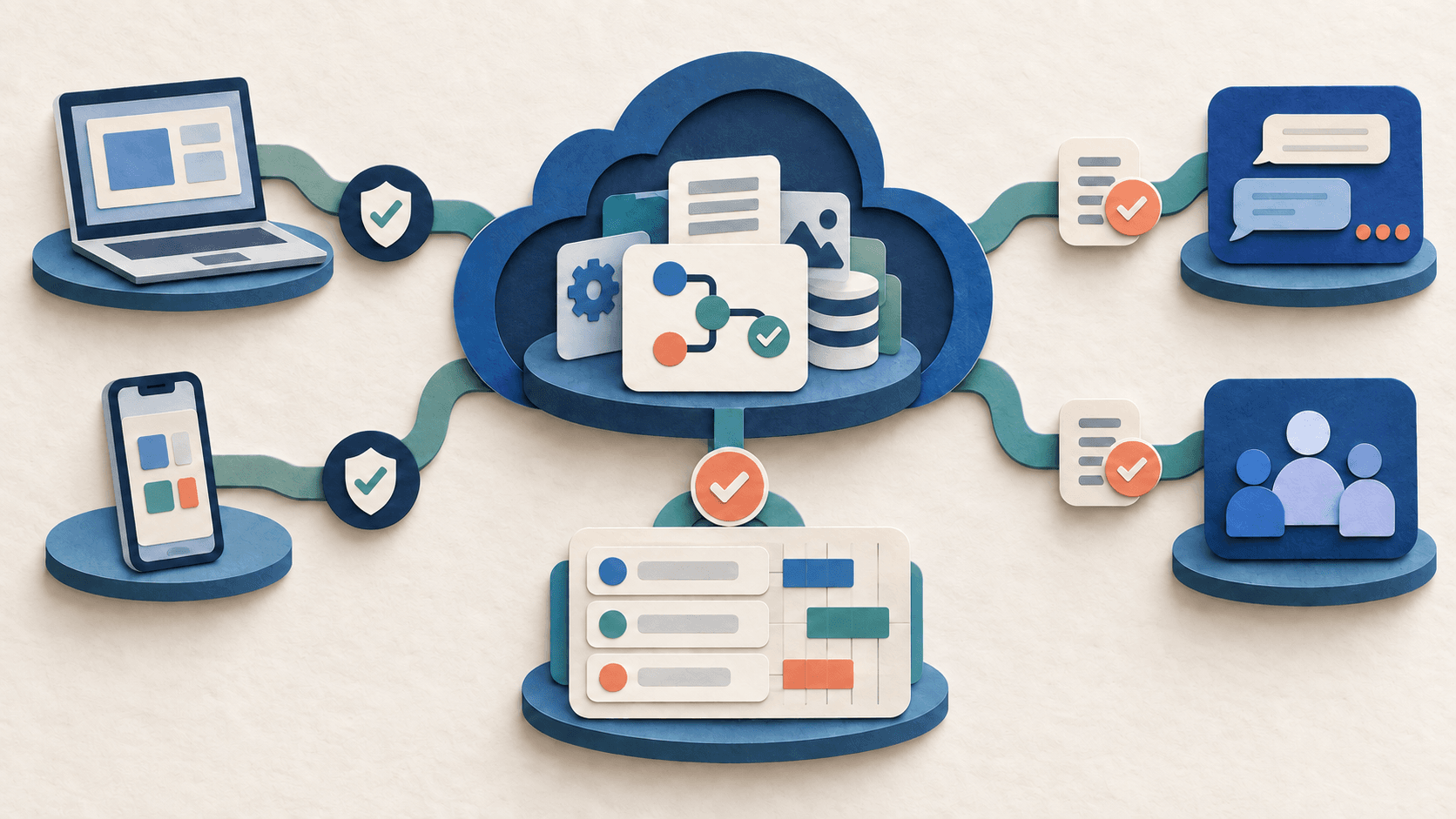
OpenAI’s New Enterprise Tools Turn Solo AI Work Into Team Infrastructure
Shared environments, connections, schedules, and chat entry points reduce setup friction—but they also turn personal experiments into durable organizational systems.
OpenAI’s September 29 Enterprise updates make Codex environments, connected tools, recurring tasks, and workplace chat more reusable across teams.
Read guide
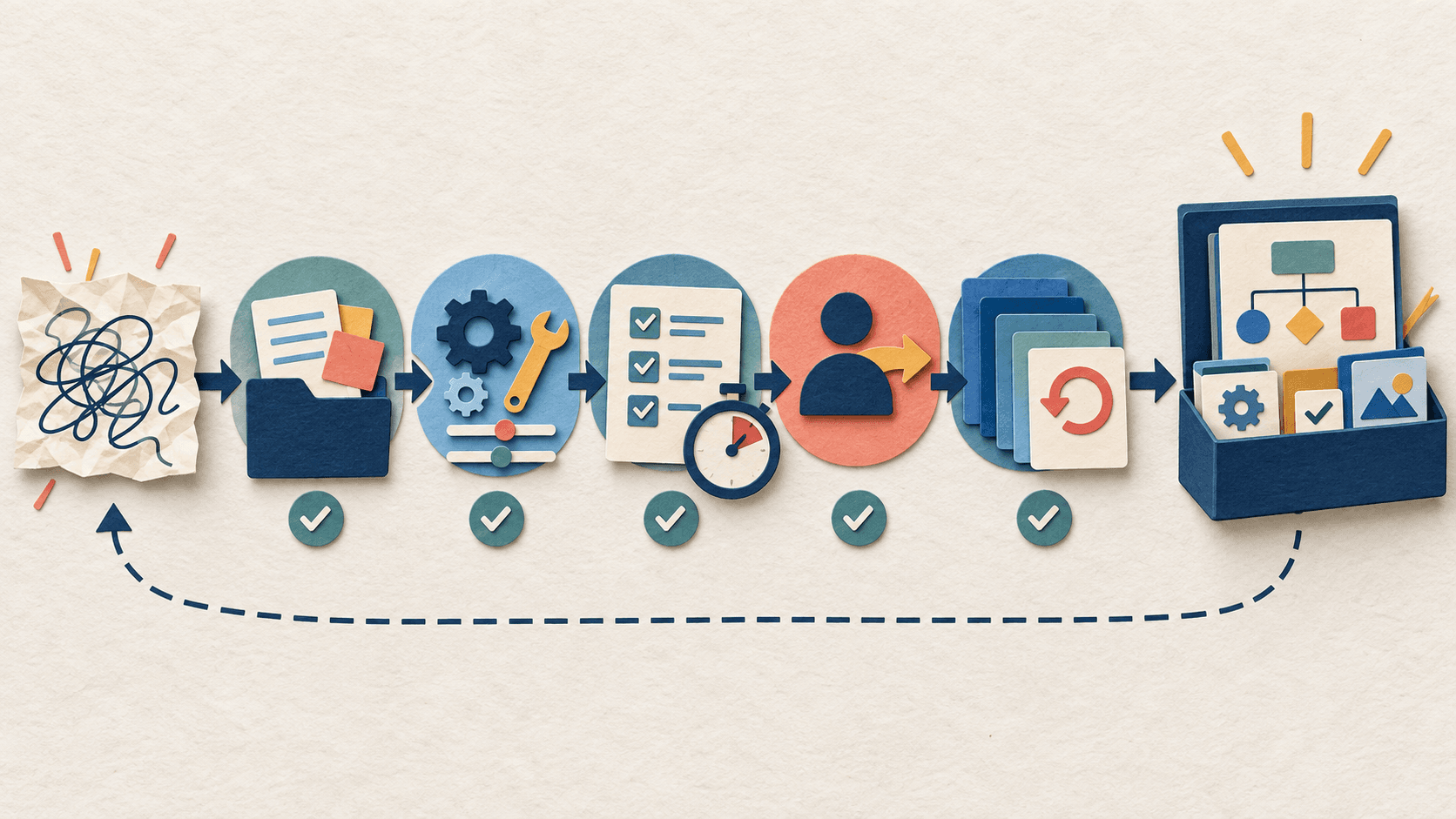
How to Turn One Good AI Result Into a Reusable Team Workflow
A saved prompt is not an operating procedure. Package the inputs, permissions, success test, owner, budget, and recovery path so someone else can run it safely.
Use this seven-part playbook to turn an AI experiment into a repeatable workflow that survives handoffs, model changes, and failures.
Read guide

Fabric IQ Brings Governed Business Context to Copilot—What Changes
A shared semantic model can reduce metric disputes, but access controls, stale definitions, preview boundaries, and answer validation remain operational work.
Microsoft made Fabric IQ grounding generally available in Copilot Chat and Cowork while IQ Sharing and several data-agent capabilities remain in preview.
Read guide

Gemini 3.8 Flash ‘Works Harder’—Measure the Cost of the Finished Task
More reasoning can improve a difficult result while increasing latency and tool activity; the useful unit is an accepted outcome, not a token or benchmark alone.
Google positions Gemini 3.8 Flash as a more diligent workhorse for reasoning, software engineering, and agents. Buyers should test the whole task economics.
Read guide

Photoroom Review 2026: Pricing, Credits & Product Fidelity
A research-based assessment of Photoroom's workflow, economics, controls, and operational fit.
Photoroom is a strong shortlist for sellers who repeatedly need clean, consistent product images without a full studio workflow. Its background, relighting, batch, fashion-model, video, and repair tools can compress production, but a plausible image is not necessarily an accurate product image. Buyers should measure approved assets per dollar after fidelity checks, corrections, credits, exports, and channel requirements.
Read guide
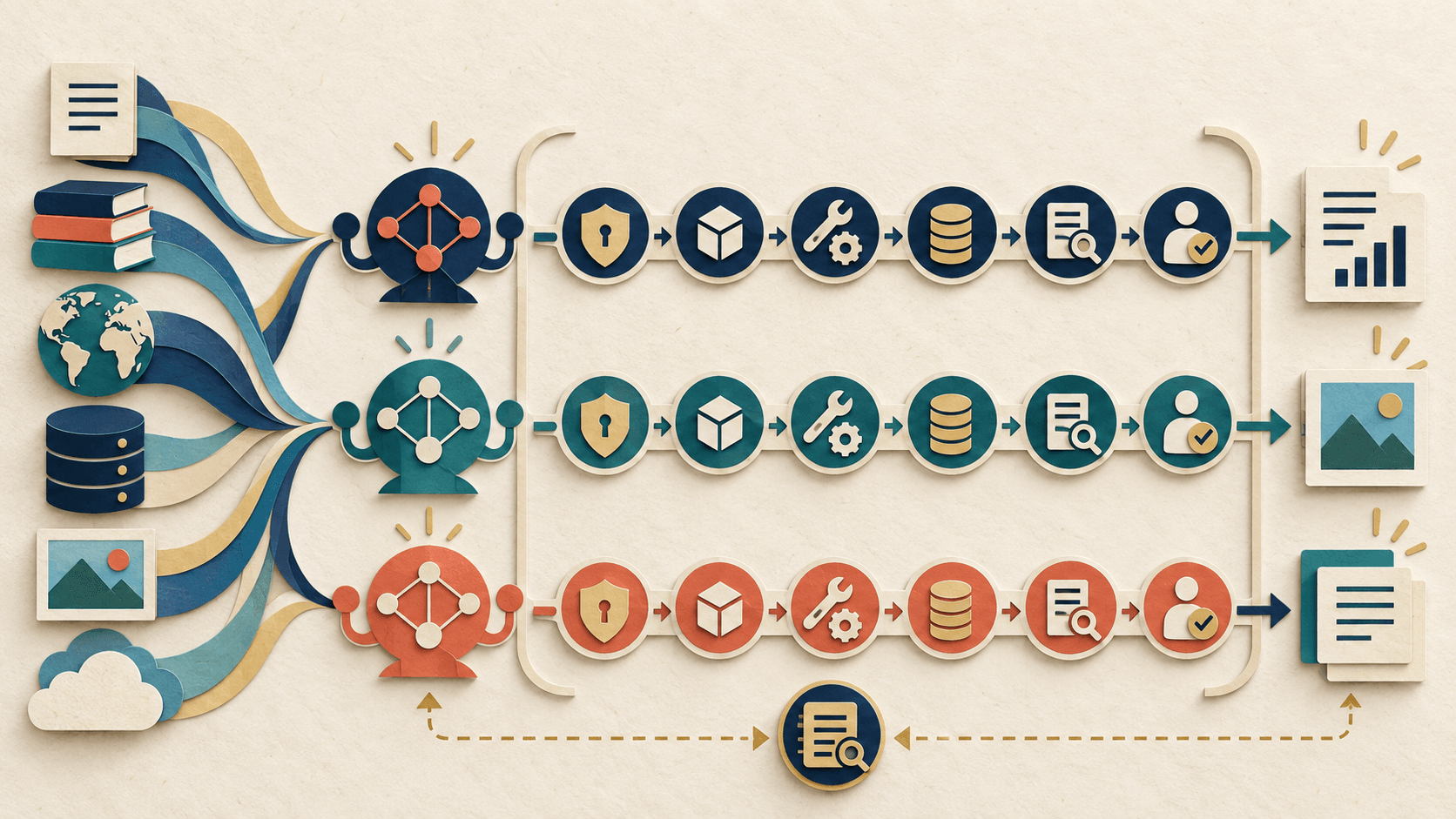
Dust Review 2026: AI Agents, Credits, Security & Fit
A research-based assessment of Dust's workflow, economics, controls, and operational fit.
Dust is worth testing for teams that want employees to build and operate shared AI agents over company knowledge and tools while retaining model choice and administrative controls. Its flexibility also creates the buying risk: every connector, agent instruction, tool permission, model, and credit-consuming action needs an owner. The relevant metric is accepted work per credit after review—not agents deployed.
Read guide

Pylon Review 2026: Agentic Support, Pricing & B2B Fit
A research-based assessment of Pylon's workflow, economics, controls, and operational fit.
Pylon is a credible shortlist for B2B support teams whose customer conversations and account context span Slack, email, chat, phone, and internal systems. Its agentic-support direction focuses on investigation and follow-through, not only deflecting simple questions. The catch is maturity and commercial clarity: the new agentic workflow remains in beta, broader access is staged, and pricing is moving toward seats plus usage credits.
Read guide

AliDrop Review 2026: Pricing, Automation, Pros & Cons
AliDrop can reduce product-import and order busywork, but supplier reliability, delivered margin, returns, and billing terms remain the seller's responsibility.
AliDrop is worth testing for Shopify-centered sellers who need product and order automation, provided they validate suppliers, delivered economics, and renewal terms first.
Read guide

LogoMe.ai Review 2026: Features, Pricing Caveats, and Fit
LogoMe can accelerate early logo exploration, but the final decision depends on originality, small-size performance, usable exports, clear rights, and the checkout total.
A research-based LogoMe.ai review for small organizations, covering its guided logo workflow, brand-kit promise, pricing uncertainty, rights checks, and a fair buyer test.
Read guide

Lambda Plans an Oklahoma AI Data Center—The Claims Communities Should Track
A promised $500 million tax contribution and closed-loop cooling are starting claims; the useful public record begins with contracts, meters, milestones, and enforcement.
Lambda plans a Mayes County AI data center with ratepayer, water, jobs, and tax commitments. Communities should turn each promise into a measurable obligation.
Read guide

NVIDIA Isaac ROS 5.0 Brings Agents Into Robot Development—Keep Runtime Safety Separate
An AI agent can help build, simulate, and debug a robot without earning unchecked authority over a moving machine.
Isaac ROS 5.0 adds agent-assisted robotics development and Jetson support. Teams should separate developer acceleration from safety-certified runtime control.
Read guide