DiscoverAI guide library
Practical AI guidance, organized around the work you need to do.
Skip the endless archive. Start with your topic, audience, or immediate problem, then follow a focused path through independent guides, comparisons, and workflows.
Not sure where to begin?
Answer three questions and get a focused tool shortlist for your budget and priority.
Use the AI Tool Finder →Choose a pathway
Explore by topic
Owners and lean teams
Work & Operations
Save time on research, meetings, planning, finance, administration, and repeatable operations.
Marketing and fundraising teams
Marketing & Growth
Plan campaigns, improve social publishing, email, analytics, fundraising, and measurable growth.
Writers and publishers
Content & Search
Research, write, optimize, refresh, and distribute useful content with responsible AI workflows.
Creators and communications teams
Video, Audio & Creative
Create, edit, repurpose, and distribute video, voice, podcasts, images, and presentations.
Service and community leaders
Customers & Community
Improve customer support, donor stewardship, volunteer coordination, outreach, and client communication.
Builders and decision makers
Build, Design & Govern
Choose and deploy AI safely across websites, apps, design systems, privacy, security, and governance.
Editor recommended
Start with these essential guides
Curated editorially as useful starting points; not a claim of traffic popularity.

How Small Business Owners Can Save 10+ Hours a Week With AI Automation in 2026
A practical, no-hype guide to automating the repetitive tasks that consume small business owners' most limited resource: time.
A practical, no-hype guide to automating the repetitive tasks that consume small business owners' most limited resource: time. Written for small business owners working 50+ hours a week on operations, marketing, and admin, with a decision framework, step-by-step workflow, measurable outcomes, and clear limitations.
Read guide
How Understaffed Nonprofits Can Build Capacity With AI Tools in 2026
A strategic framework for using AI to multiply a small team's output without burning out the people you have.
A strategic framework for using AI to multiply a small team's output without burning out the people you have. Written for nonprofit executive directors leading teams of fewer than five people, with a decision framework, step-by-step workflow, measurable outcomes, and clear limitations.
Read guide
How to Choose the Right AI Tool for Your Business
Stop chasing every new AI launch. A practical decision framework for evaluating AI tools based on your actual needs, budget, and risk tolerance.
A practical decision framework for evaluating AI tools: define the problem, score contenders, decide build vs. buy, and know when to cancel. No hype, just a repeatable process.
Read guide
Recently published
Latest guides
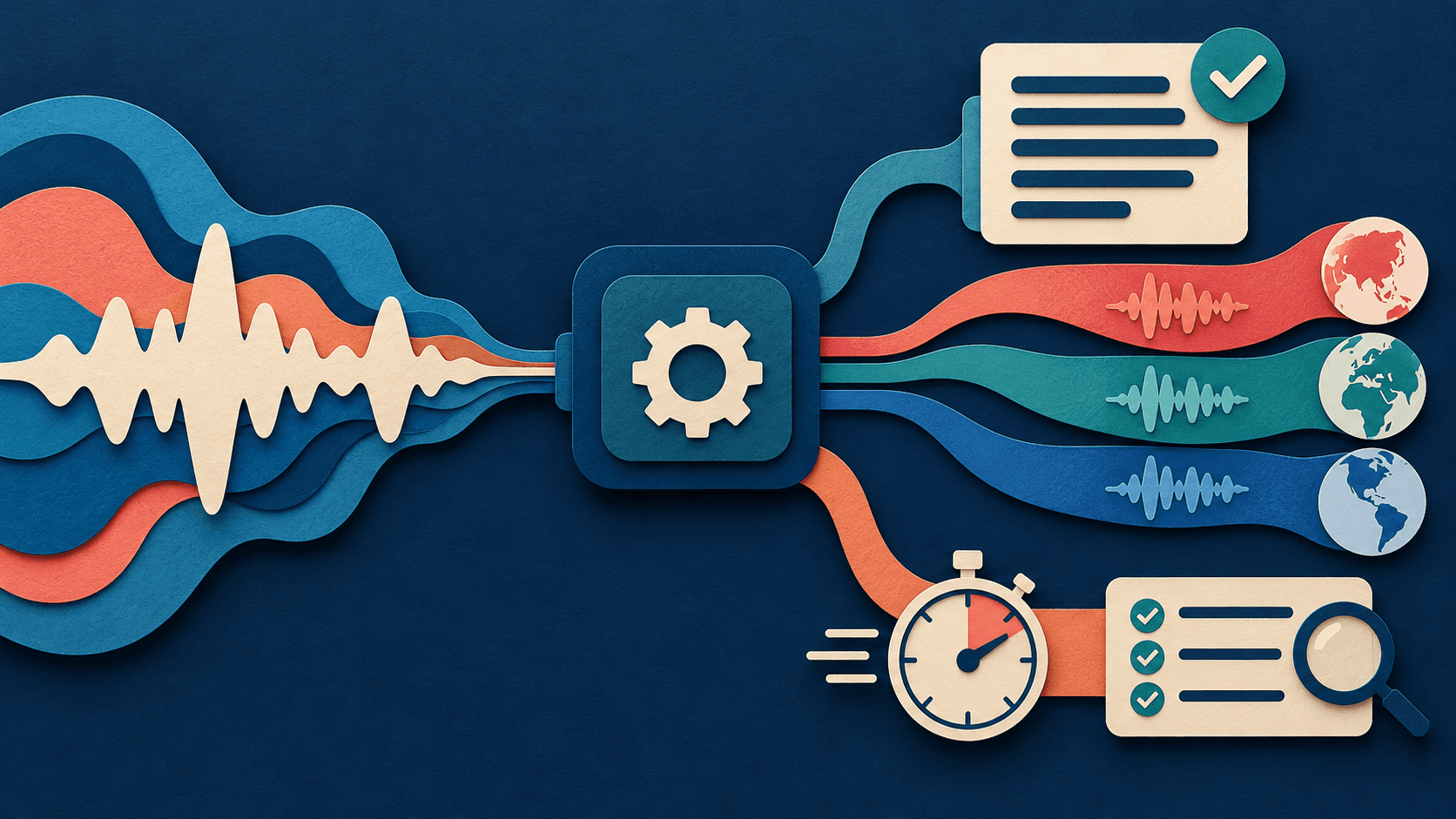
Microsoft’s New Speech Models Need an Accepted-Audio Test
Lower latency and broader voices matter only when transcripts, pronunciations, disclosures, and corrections survive real conditions.
Microsoft announced new transcription and multilingual voice models. Buyers should measure accepted transcripts and usable audio—not demo speed.
Read guide

GPT‑Rosalind Leaves Preview—Scientific Validation Still Comes First
Trusted access and published pricing make procurement possible; they do not turn generated hypotheses into validated science.
GPT‑Rosalind is moving beyond research preview for eligible organizations. Buyers still need answer-keyed tests, provenance, and expert approval.
Read guide

SciSpace Review 2026: Pricing, Citations, and Fit
A broad research workspace can reduce tool switching, but source coverage, citation support, and correction effort decide whether it saves time.
SciSpace connects scholarly search, PDF chat, extraction, citations, and drafting. Test it with known answers and unsupported questions.
Read guide
A useful inbox, not a noisy one
Make better AI decisions each week.
Get practical tool recommendations, important product and pricing changes, and carefully selected workflows for lean organizations.
912 useful guides
Browse all guides
Microsoft’s New Speech Models Need an Accepted-Audio Test
Lower latency and broader voices matter only when transcripts, pronunciations, disclosures, and corrections survive real conditions.
Microsoft announced new transcription and multilingual voice models. Buyers should measure accepted transcripts and usable audio—not demo speed.
Read guide
GPT‑Rosalind Leaves Preview—Scientific Validation Still Comes First
Trusted access and published pricing make procurement possible; they do not turn generated hypotheses into validated science.
GPT‑Rosalind is moving beyond research preview for eligible organizations. Buyers still need answer-keyed tests, provenance, and expert approval.
Read guide
SciSpace Review 2026: Pricing, Citations, and Fit
A broad research workspace can reduce tool switching, but source coverage, citation support, and correction effort decide whether it saves time.
SciSpace connects scholarly search, PDF chat, extraction, citations, and drafting. Test it with known answers and unsupported questions.
Read guide
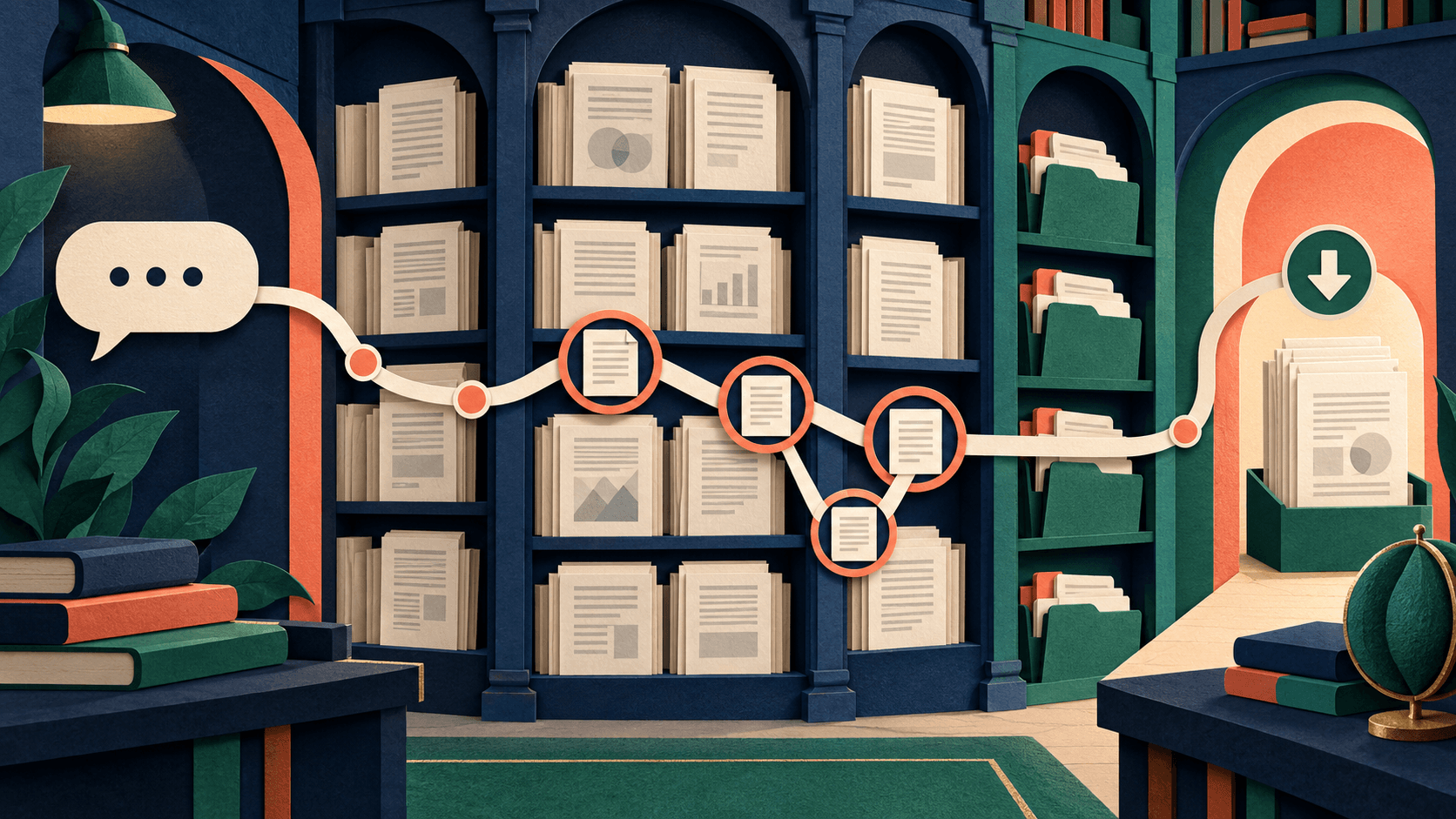
Logically Review 2026: Afforai’s New Research Workspace
The Afforai-to-Logically transition creates a useful source-centered workspace—and a migration boundary buyers must verify carefully.
Afforai now redirects to Logically. Evaluate library integrity, citations, billing, permissions, and export alongside the research workflow.
Read guide
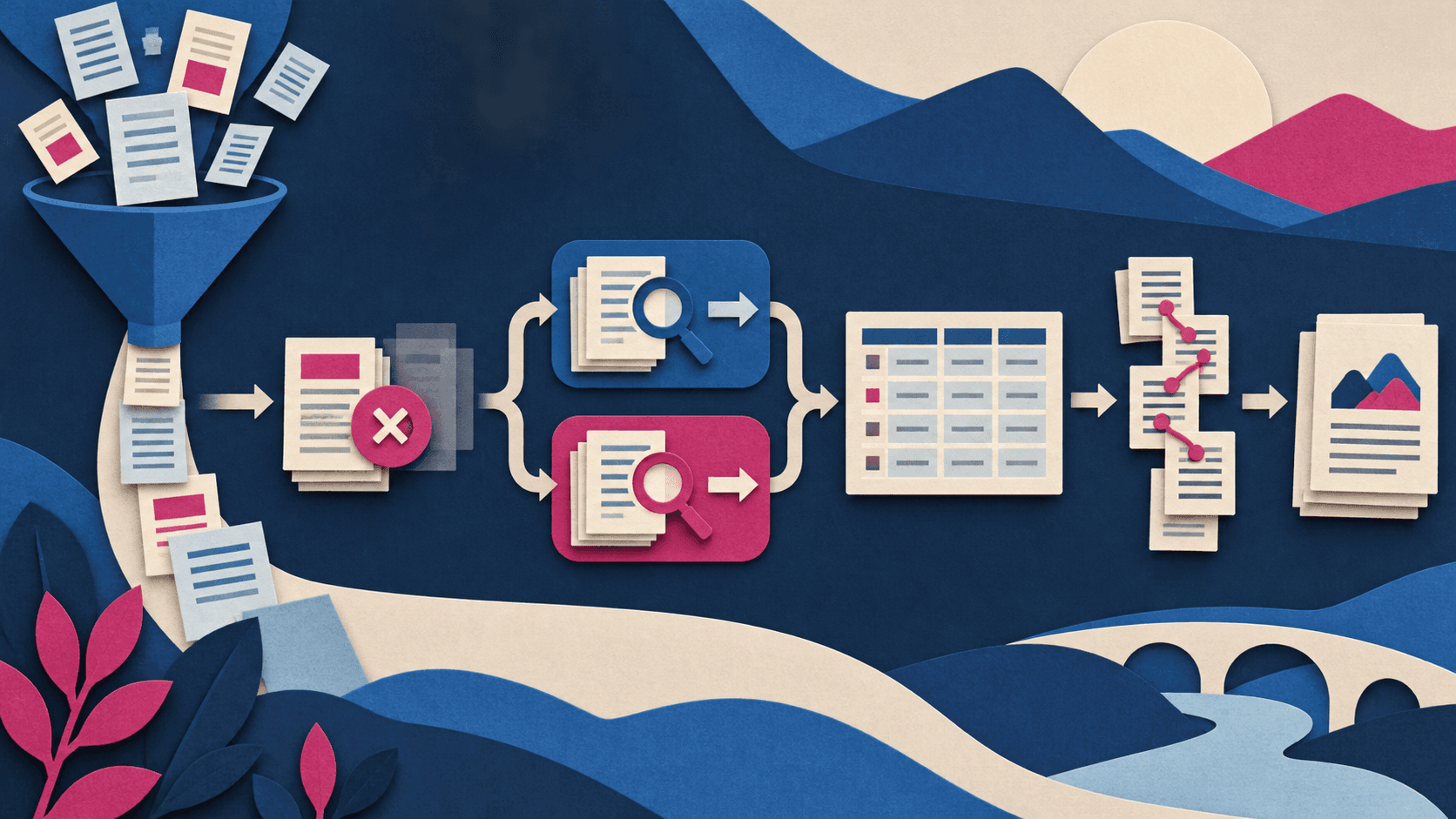
Paperguide Review 2026: Systematic Reviews, Pricing, and Fit
Paperguide reaches further into systematic-review operations than generic chat, but rigor depends on verified searches, human decisions, and exports.
Paperguide joins search, screening, extraction, citations, and PRISMA reporting. Compare it with your protocol on recall and traceability.
Read guide

The U.S. Super Intelligence Force Has 120 Days to Define Its AI Role
The White House task force now has a chair and a deadline, but its report—not its name—will show how the administration plans to oversee AI risks and opportunity.
The White House created a Super Intelligence Force led by Director of National Intelligence Jay Clayton to report on AI risks, opportunities, and federal responsibility within 120 days.
Read guide
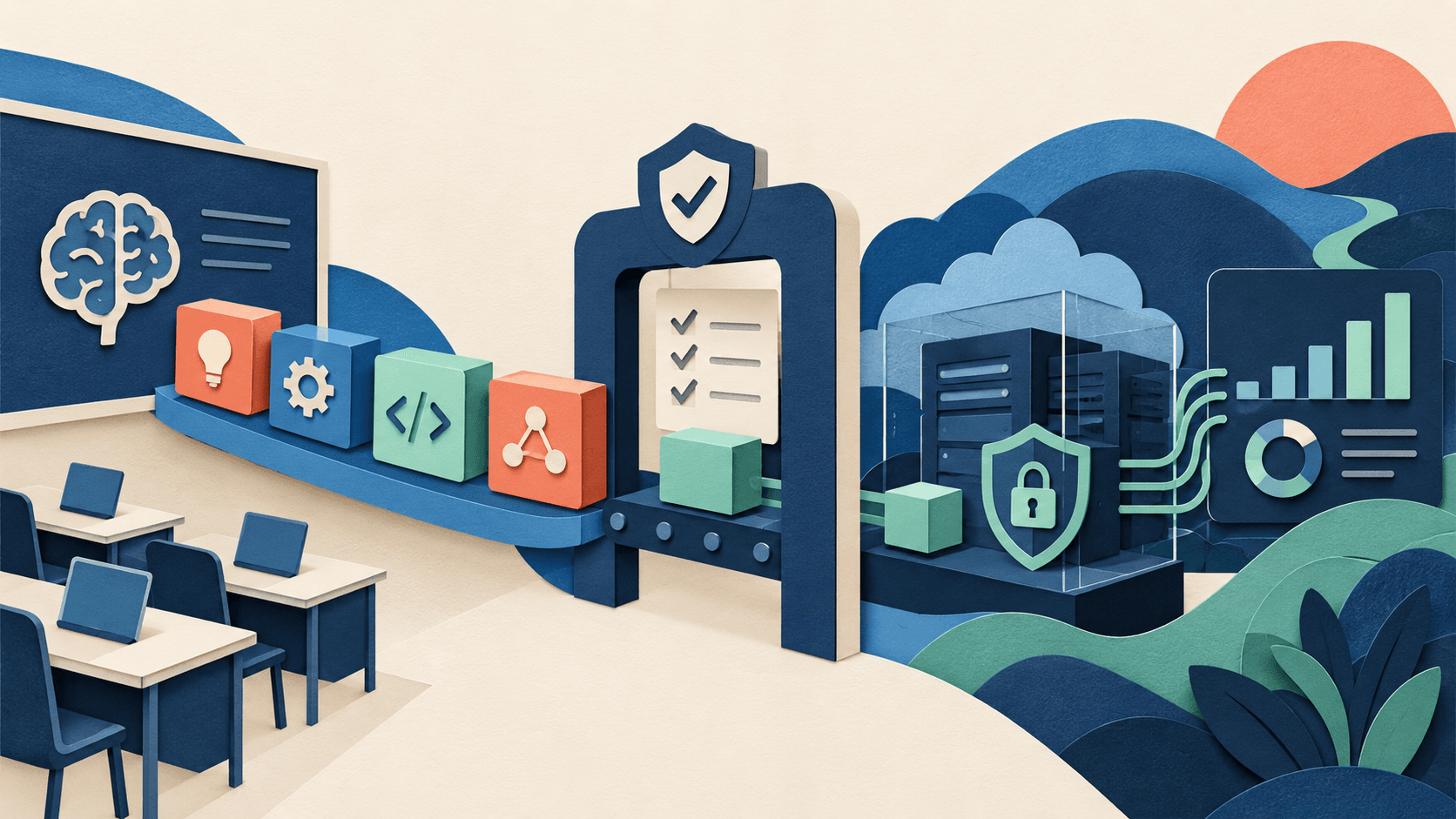
Anthropic’s $100M AI Academy Needs an Outcomes Scorecard
A practical residency is more meaningful than passive certification, but training volume is not proof of safe, durable production outcomes.
Claude Frontier Academy aims to train 10,000 deployed engineers by the end of 2027. The real test is governed systems shipped and sustained—not badges issued.
Read guide
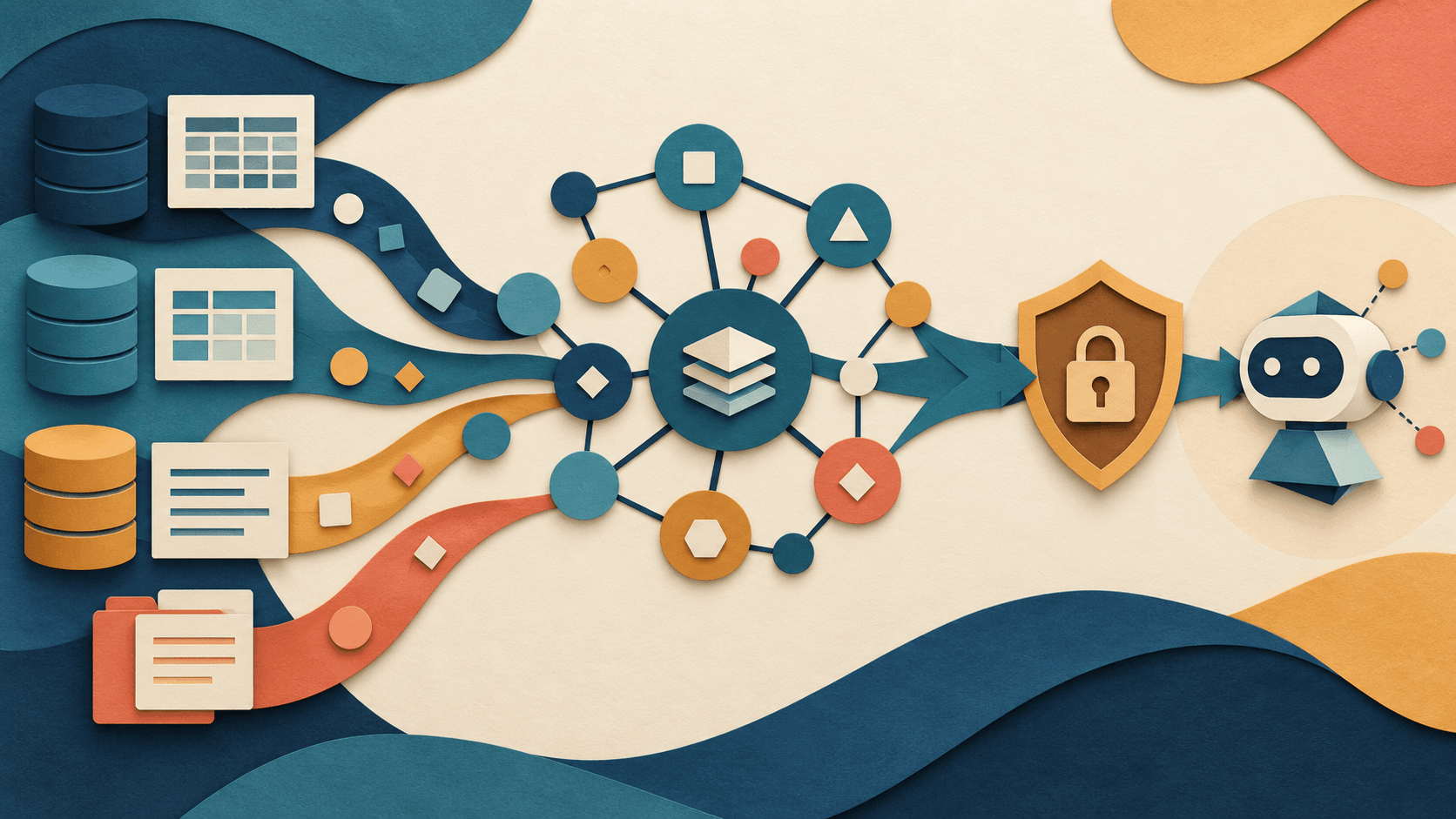
Microsoft Fabric IQ Gives Agents Context—Not Automatic Truth
A shared semantic layer can make agent answers more consistent, but permissions, definitions, freshness, preview boundaries, and validation determine whether they are trustworthy.
Fabric IQ connects agents to governed Power BI context and evolving ontology tools. Buyers must separate generally available access from preview semantics and test real decisions.
Read guide
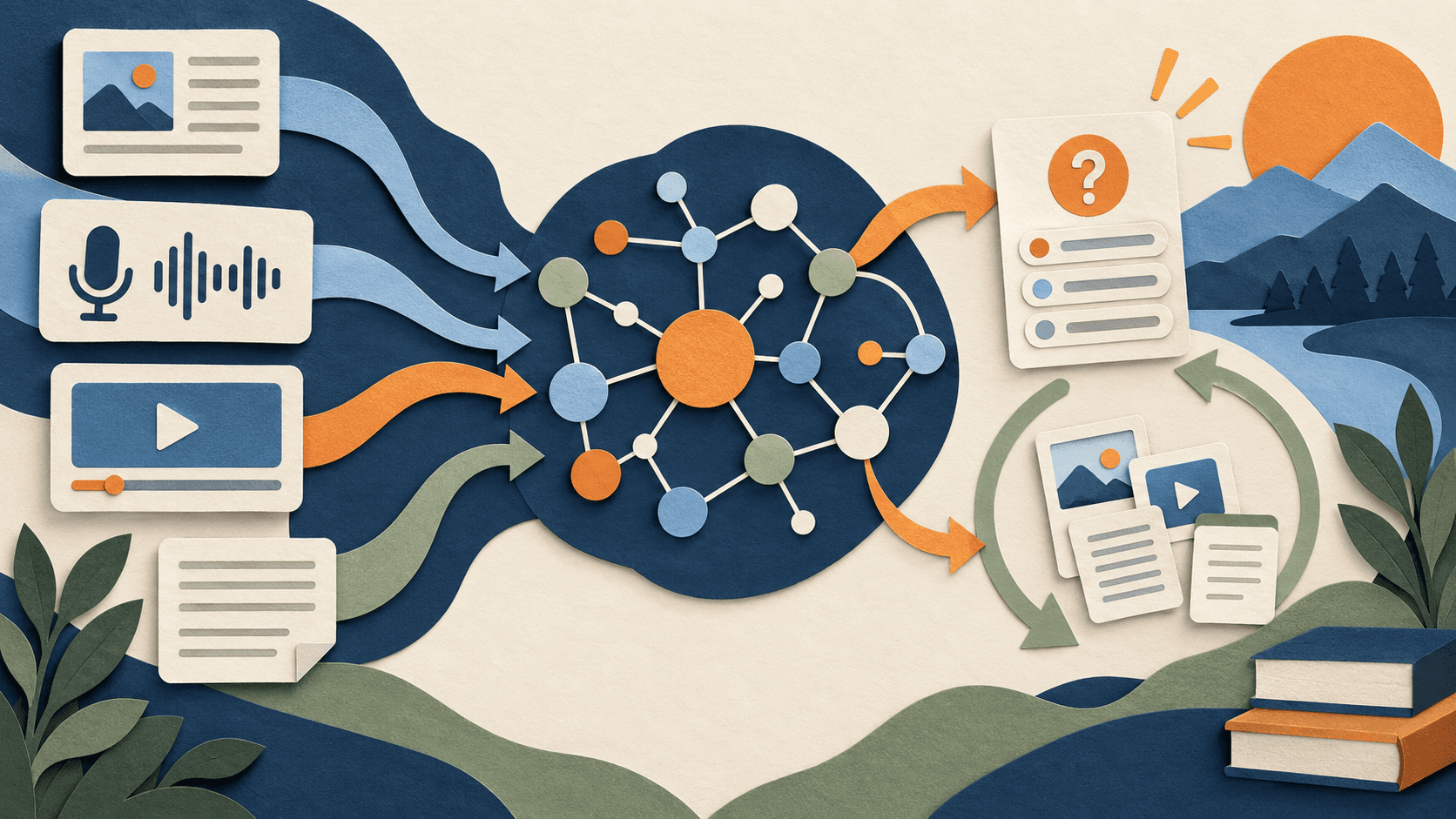
Recall Review 2026: Pricing, AI Knowledge Base, and Fit
Recall can turn scattered reading into a connected personal library, but summary accuracy, retrieval quality, privacy, and export completeness decide whether it lasts.
Recall combines read-later capture, summaries, a knowledge graph, AI chat, quizzes, API, and MCP. Test it against a real archive before committing.
Read guide
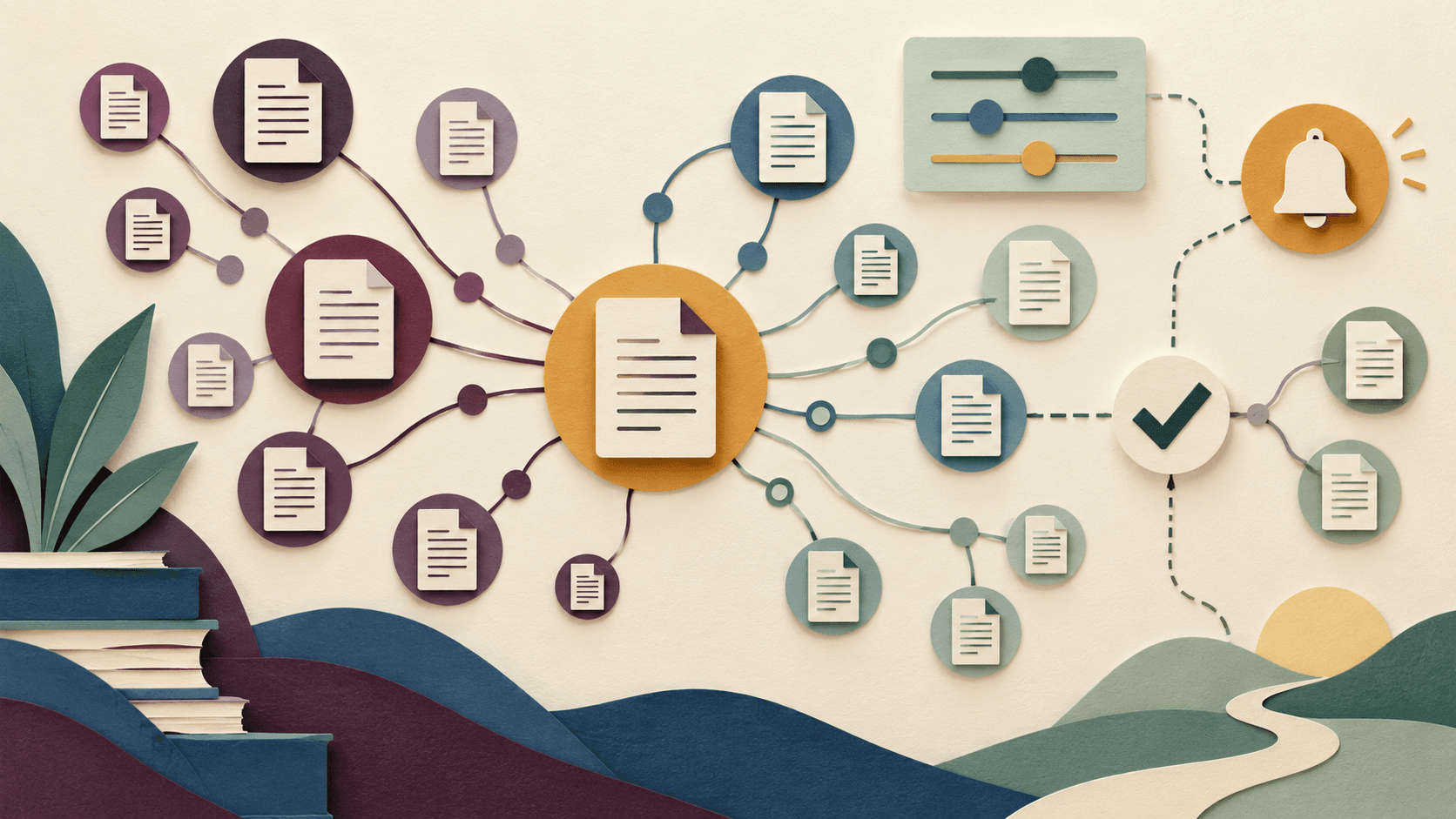
Litmaps Review 2026: Citation Maps, Pricing, and Fit
Litmaps can make citation chasing visible and repeatable, but no map can decide whether a paper is relevant, rigorous, current, or true.
Litmaps maps citations around seed papers and monitors connected research. Judge it by incremental relevant discoveries and reproducibility—not a beautiful graph.
Read guide
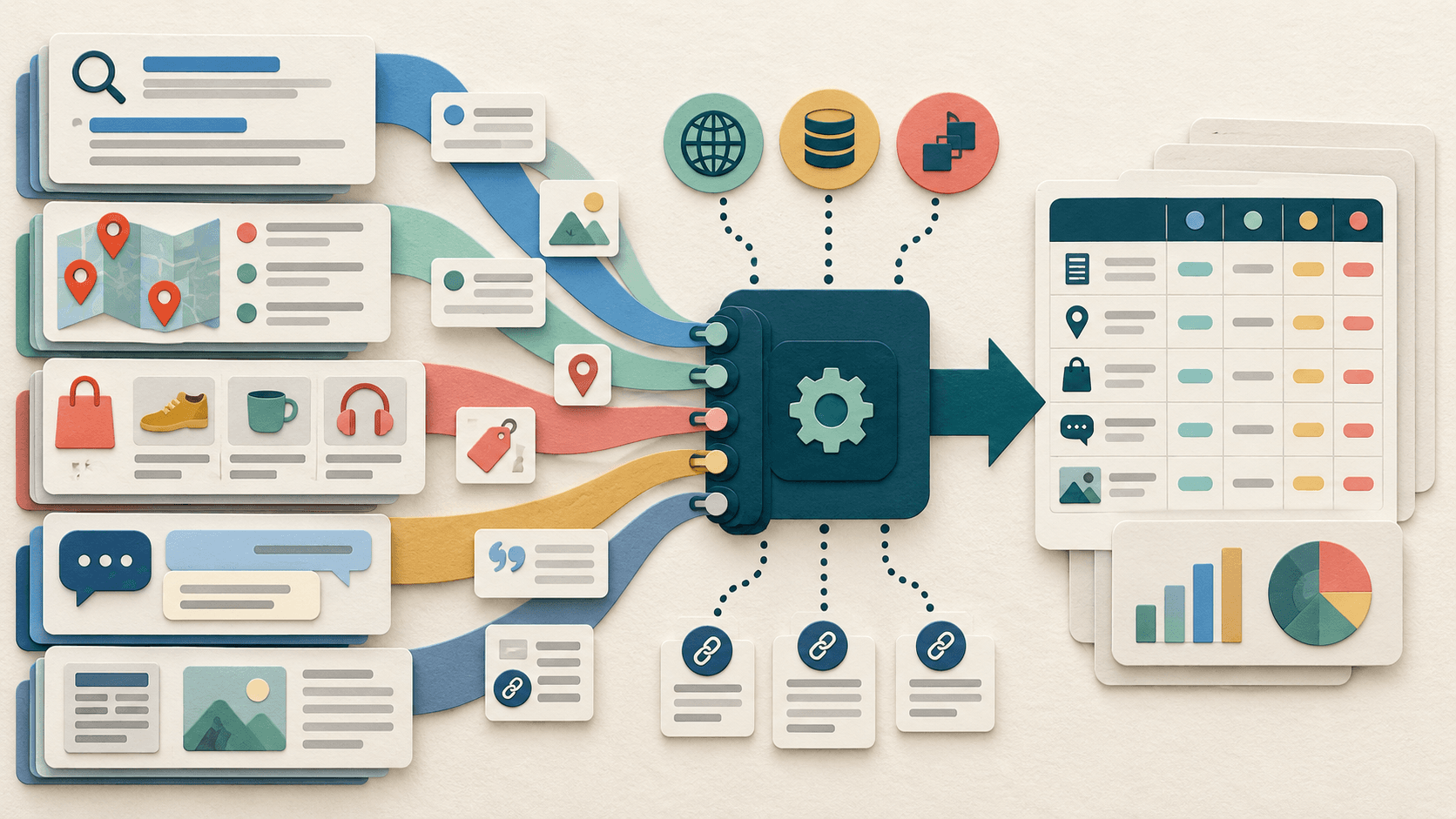
Cloro Review 2026: AI Search API, Pricing, and Fit
Cloro replaces multiple AI-search collectors with one structured API, but buyers still need to validate coverage, cost per usable observation, and upstream fragility.
A research-based Cloro review covering its multi-engine API, citations, regional targeting, MCP server, credit pricing, operational risks, and buyer test.
Read guide

Looppanel Review 2026: AI Interview Analysis, Pricing, and Fit
A strong interview-to-insight workflow does not remove the need to verify transcripts, quotes, permissions, exports, and full team economics.
Looppanel brings recording, transcription, analysis, clips, repository search, and AI access together for interview-heavy research teams.
Read guide

Condens Review 2026: AI Research Repository, Pricing, and Fit
Condens can turn studies into reusable organizational evidence, provided someone owns taxonomy, access, retention, and finding quality.
Condens joins structured qualitative analysis with a searchable research repository and plan-dependent AI and governance controls.
Read guide

AI Research Repository Governance: A Practical Framework
A searchable archive becomes trustworthy only when ownership, access, freshness, evidence lineage, and deletion are designed as one system.
A practical operating model for keeping AI-searchable research evidence current, permissioned, traceable, and safe to reuse.
Read guide

How to Anonymize Research Transcripts Before AI Analysis
Deleting names is not enough when roles, places, events, quotations, and linked datasets can still reveal a participant.
A risk-based transcript workflow that protects participants while preserving enough context for useful, auditable analysis.
Read guide
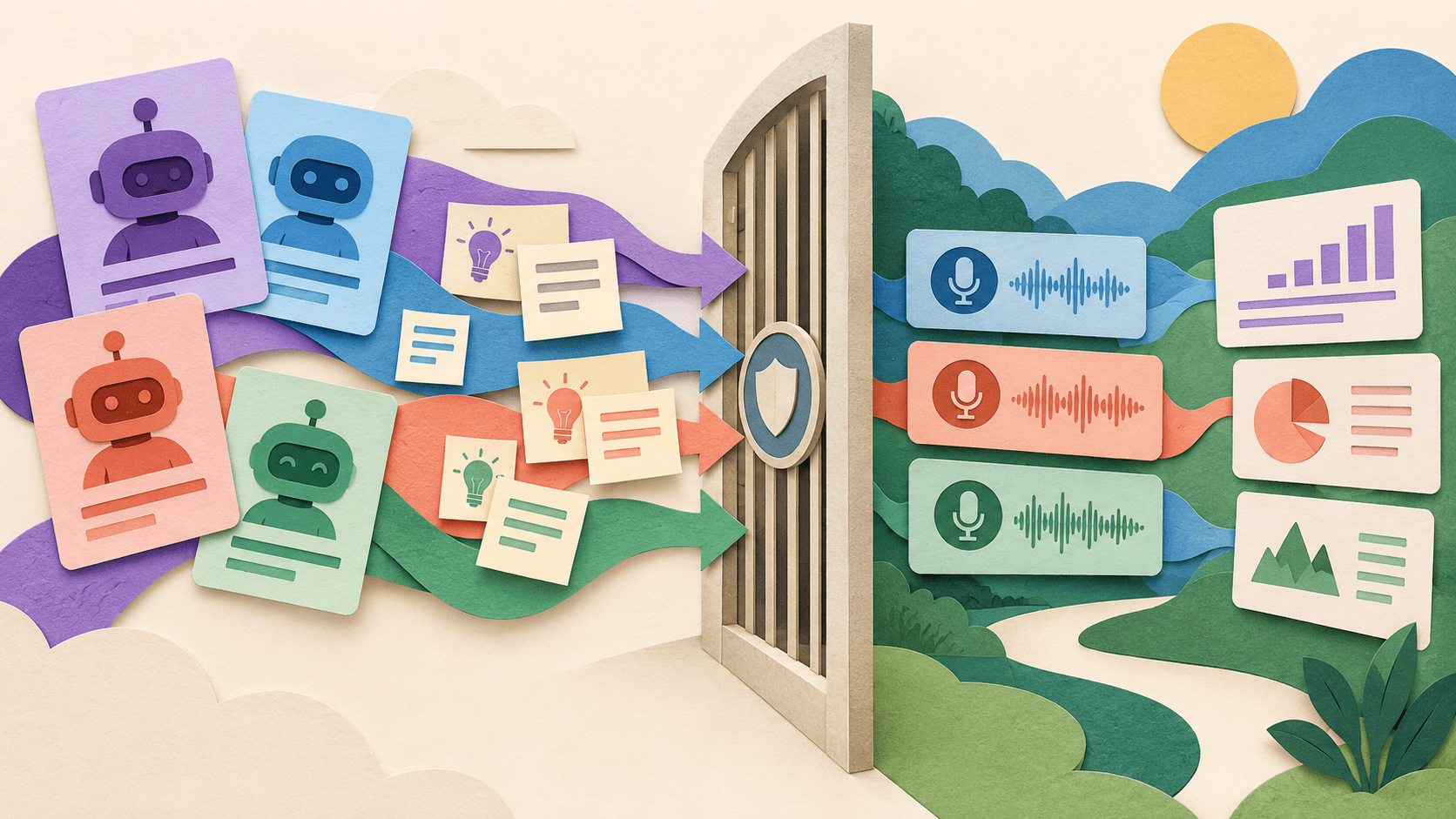
Synthetic Participants in AI Research: Uses, Risks, and Rules
Simulated responses can widen a question set; they cannot supply lived experience, observed behavior, consented testimony, or reliable demand validation.
A clear boundary for using synthetic participants without laundering generated assumptions into customer evidence.
Read guide
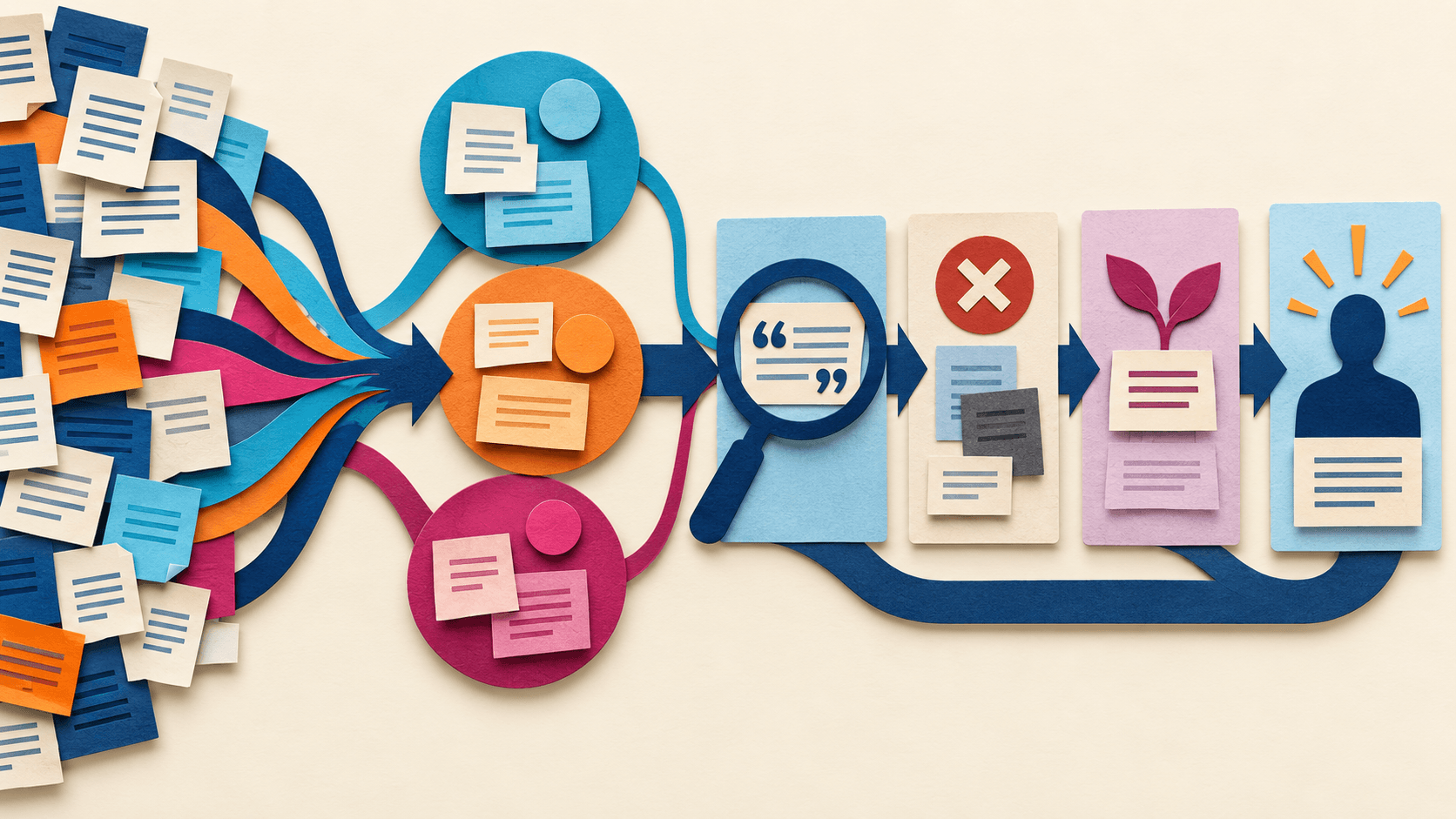
How to Validate an AI-Generated Research Synthesis
A polished narrative is not a finding until its claims survive source checks, counterevidence, scope limits, and accountable review.
A repeatable acceptance test for AI-generated themes, summaries, and research findings.
Read guide
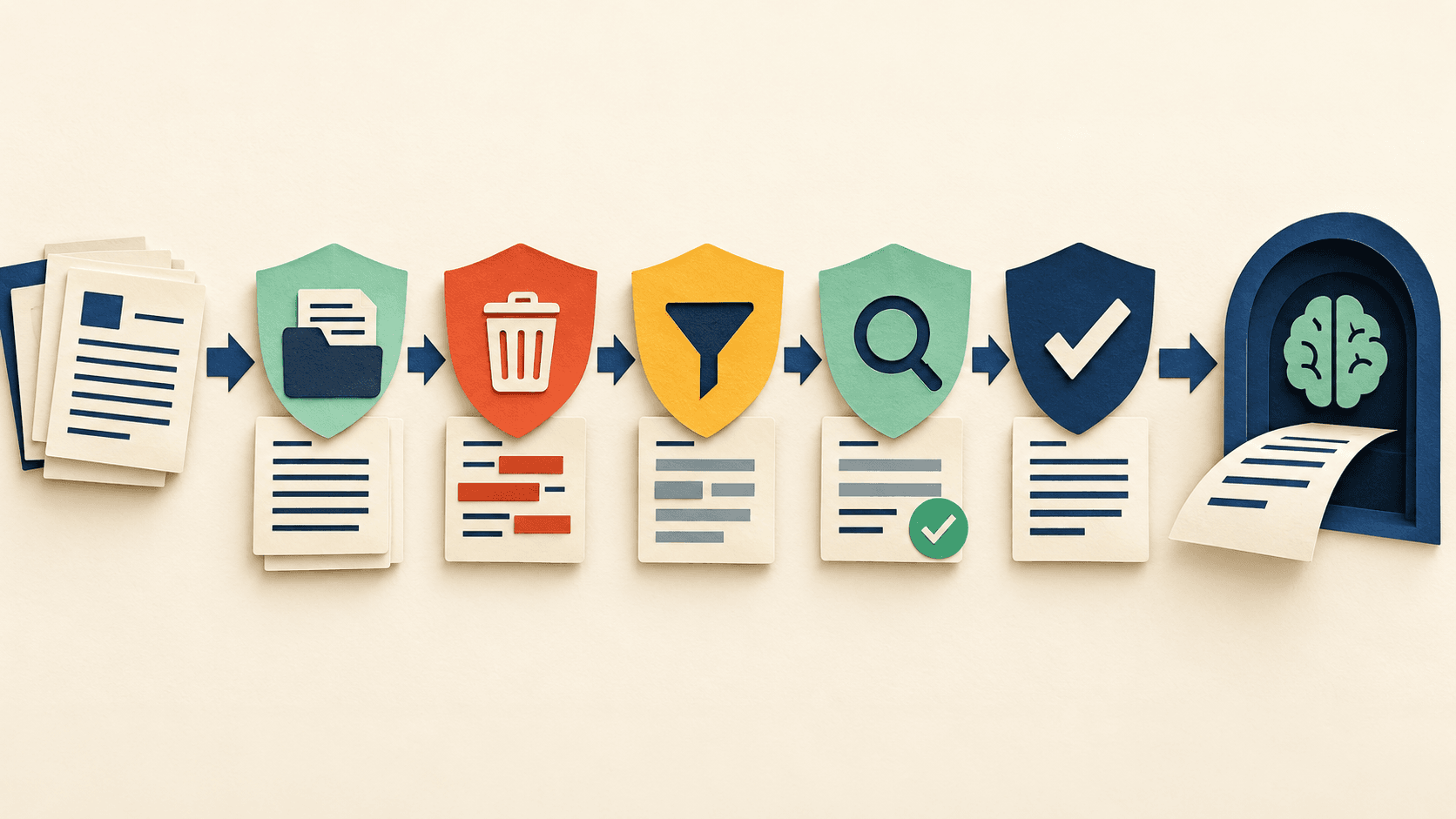
Redact Sensitive Data Before AI: A Five-Step Check
The safest prompt starts with less data: remove what the task does not need, then verify the remaining context cannot identify or expose someone.
A fast, practical pre-upload control for documents, transcripts, tickets, spreadsheets, and notes.
Read guide