Reviews, news and how-to guides
AI articles and reviews — page 29
Find a review, catch up on the news or learn how to complete a task. Browse by topic or filter the library below.
Not sure where to begin?
Answer three questions and get a focused tool shortlist for your budget and priority.
Use the AI Tool Finder →Choose a pathway
Explore by topic
Owners and lean teams
Work & Operations
Save time on research, meetings, planning, finance, administration, and repeatable operations.
Marketing and fundraising teams
Marketing & Growth
Plan campaigns, improve social publishing, email, analytics, fundraising, and measurable growth.
Writers and publishers
Content & Search
Research, write, optimize, refresh, and distribute useful content with responsible AI workflows.
Creators and communications teams
Video, Audio & Creative
Create, edit, repurpose, and distribute video, voice, podcasts, images, and presentations.
Service and community leaders
Customers & Community
Improve customer support, donor stewardship, volunteer coordination, outreach, and client communication.
Builders and decision makers
Build, Design & Govern
Choose and deploy AI safely across websites, apps, design systems, privacy, security, and governance.
Editor recommended
Start with these essential guides
Selected by the editors to help you get started.

How Small Business Owners Can Save 10+ Hours a Week With AI Automation in 2026
A practical, no-hype guide to automating the repetitive tasks that consume small business owners' most limited resource: time.
A practical, no-hype guide to automating the repetitive tasks that consume small business owners' most limited resource: time. Written for small business owners working 50+ hours a week on operations, marketing, and admin, with a decision framework, step-by-step workflow, measurable outcomes, and clear limitations.
Read guide
How Understaffed Nonprofits Can Build Capacity With AI Tools in 2026
A strategic framework for using AI to multiply a small team's output without burning out the people you have.
A strategic framework for using AI to multiply a small team's output without burning out the people you have. Written for nonprofit executive directors leading teams of fewer than five people, with a decision framework, step-by-step workflow, measurable outcomes, and clear limitations.
Read guide
How to Choose the Right AI Tool for Your Business
Stop chasing every new AI launch. A practical decision framework for evaluating AI tools based on your actual needs, budget, and risk tolerance.
A practical decision framework for evaluating AI tools: define the problem, score contenders, decide build vs. buy, and know when to cancel. No hype, just a repeatable process.
Read guide
Recently published
Latest articles
Vid2Notes Review: Turn Training Videos Into Usable Notes
Review Vid2Notes for illustrated training notes: free upload limits, annual billing, export options and a practical accuracy check before sharing.
Review Vid2Notes for illustrated training notes: free upload limits, annual billing, export options and a practical accuracy check before sharing.
Read guide
Voice AI for Canva Review: Narration Costs and Practical Limits
Review Voice AI for Canva: character allowances, in-app generation and a narration test for presentations, training videos and client campaigns.
Review Voice AI for Canva: character allowances, in-app generation and a narration test for presentations, training videos and client campaigns.
Read guide
LayerBack Review: Turn Diagram Images Into Editable Files
Review LayerBack for editable Visio, PowerPoint and draw.io diagrams, including download credits, privacy limits and a connector-checking trial.
Review LayerBack for editable Visio, PowerPoint and draw.io diagrams, including download credits, privacy limits and a connector-checking trial.
Read guide
The weekly briefing
Make better AI decisions each week.
Get tool recommendations, product and pricing news, and a practical task to try each week.
Browse reviews, news and guides
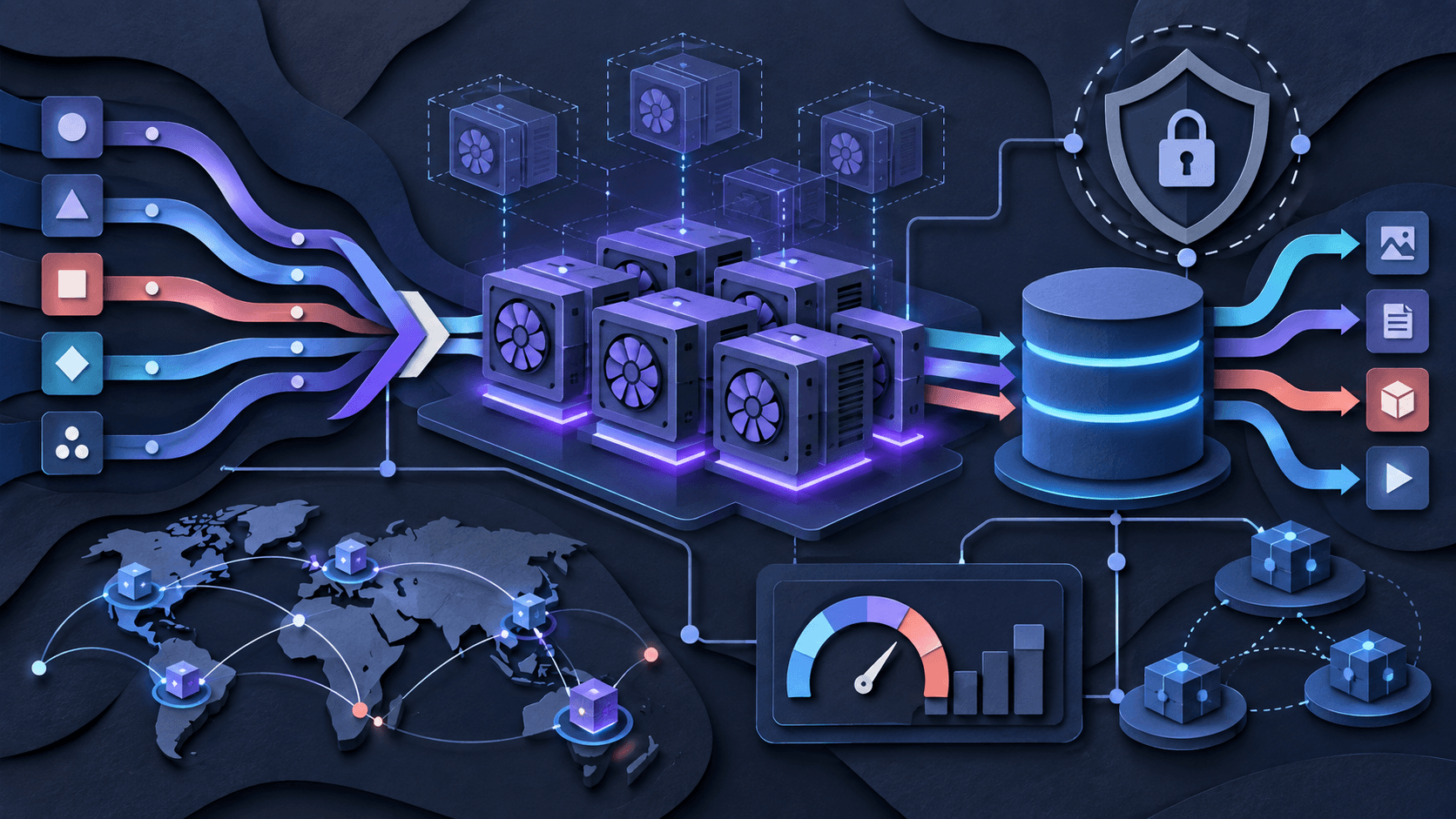
RunPod Review 2026: Is This GPU Cloud Worth It?
RunPod offers flexible GPU infrastructure and attractive usage pricing, but capacity, persistence, security, reliability, and full-workload cost need direct testing.
A research-based RunPod review covering GPU Pods, Serverless inference, pricing, storage, security, alternatives, risks, and a controlled 14-day test.
Read guide

OpenAI Expands ChatGPT Ads With Sponsored Agents and Shopify
Advertisers can move from a labeled placement into a separate business-sponsored conversation, while new CRM and commerce links bring campaign creation and measurement closer to existing workflows.
ChatGPT Ads now includes a U.S. test of Sponsored Agents plus HubSpot and Shopify integrations. Here is what marketers and users should understand before treating conversation as conversion.
Read guide

Salesforce Launches AIforce for Governed CRM in Any AI Interface
The headless interface layer promises to carry Salesforce context, permissions, and actions into external AI surfaces—but identity propagation and action testing remain customer responsibilities.
AIforce lets approved AI interfaces reason over and act on Salesforce data and workflows without requiring users to open the CRM. Here is what the architecture changes and what teams must govern.
Read guide
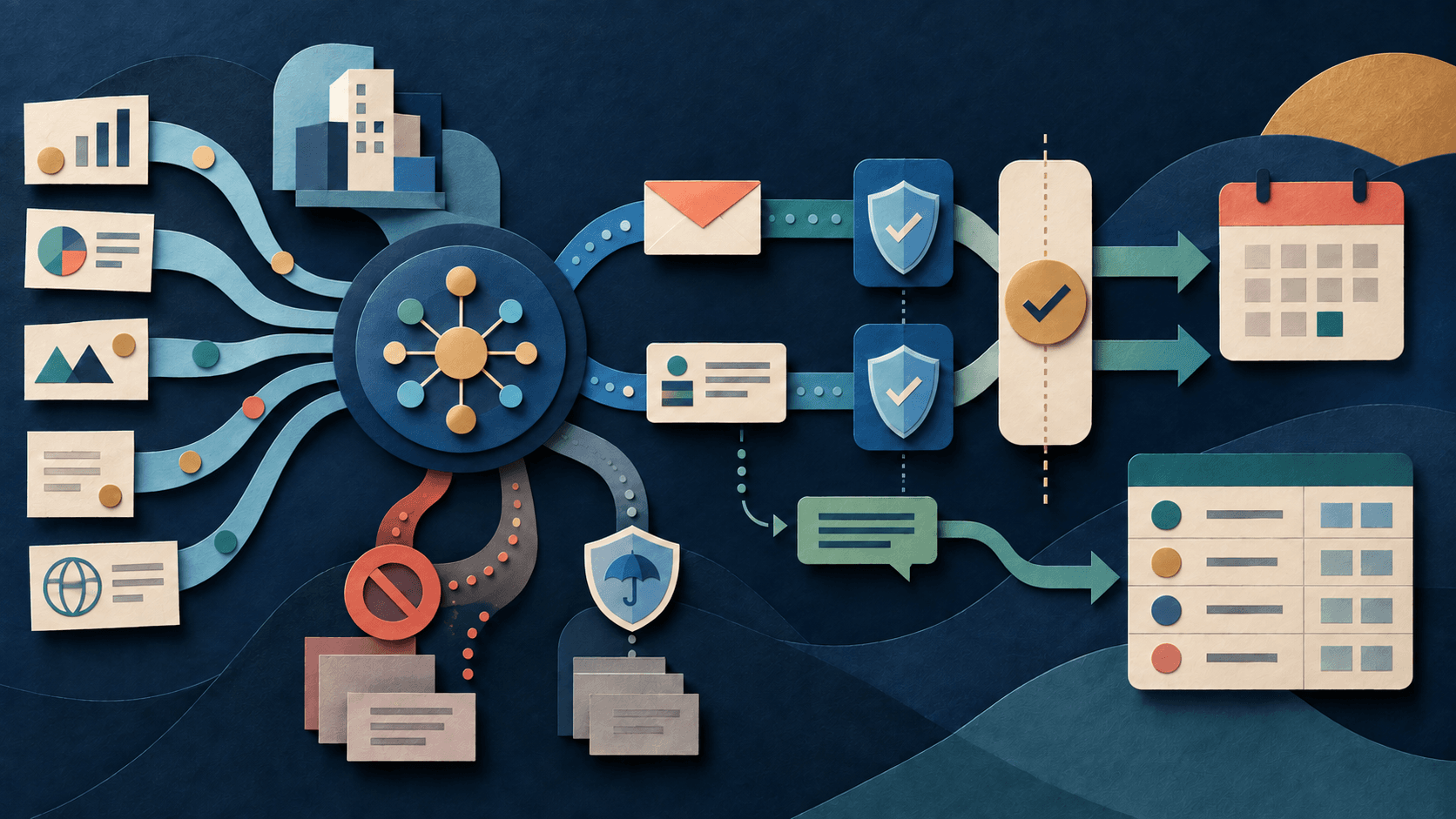
AiSDR Review 2026: Is Its AI Sales Agent Worth $250 a Month?
AiSDR can replace several outbound tools, but its price, contract, sender-health, compliance, and AI-review requirements make a controlled pilot essential.
A research-based AiSDR review of signal prospecting, AI outreach, replies, deliverability, pricing, integrations, compliance, alternatives, and a 30-day buyer test.
Read guide
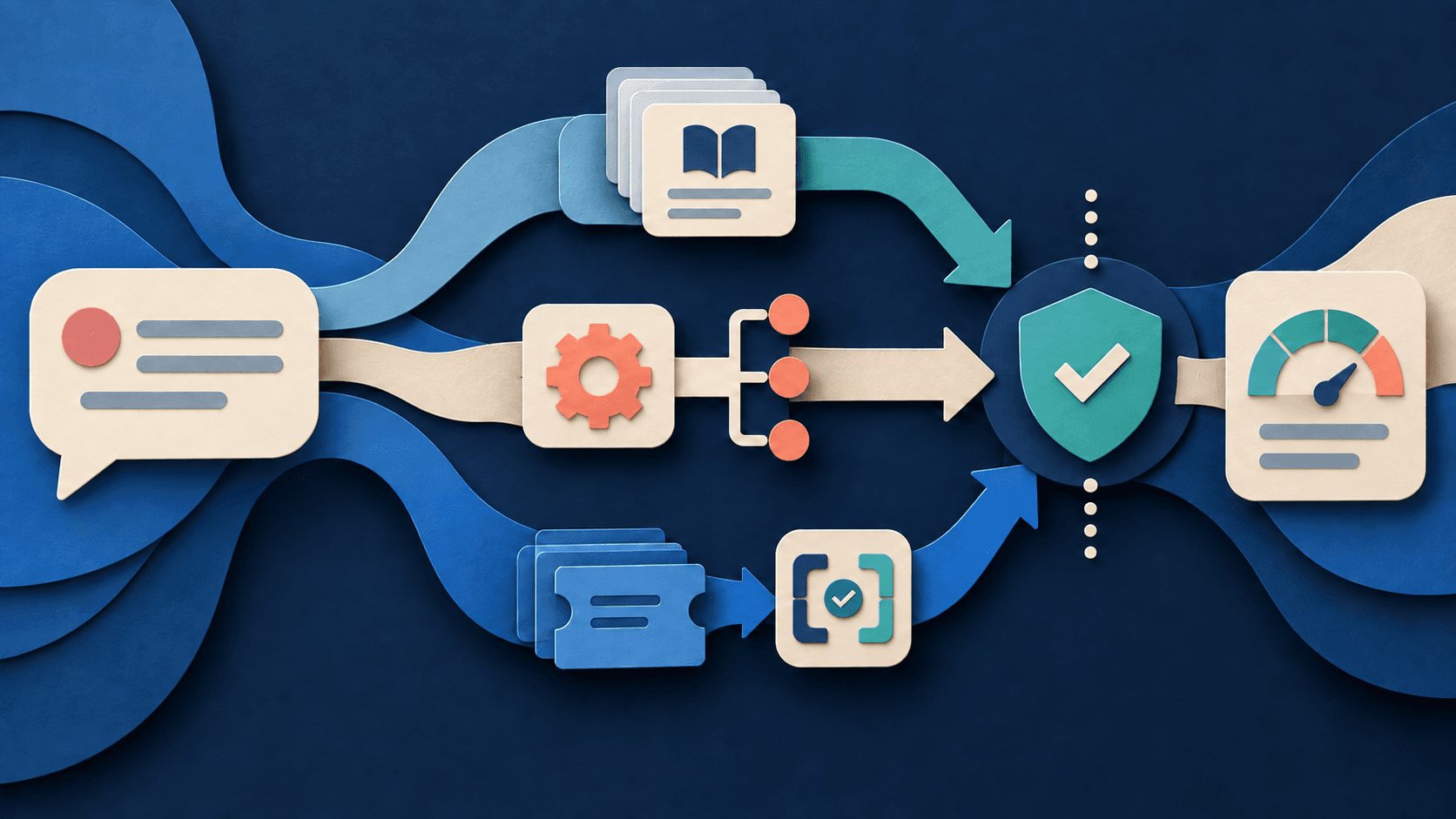
Tidio Review 2026: Is Lyro AI Worth It for Customer Support?
Tidio makes AI support approachable by combining Lyro with live chat, tickets, Flows, and human handoff—but knowledge quality and layered usage limits determine its real value.
A research-based Tidio review of Lyro AI, live chat, ticketing, Flows, pricing, integrations, privacy, alternatives, and a controlled buyer test.
Read guide

Reply.io Review 2026: Is Jason AI Worth It for Outbound Sales?
Reply.io can consolidate a serious outbound stack, but sender health, lawful data, channel rules, and AI oversight determine whether automation creates pipeline or merely scales risk.
A research-based Reply.io review of Jason AI SDR, prospect data, multichannel sequences, deliverability, pricing, integrations, compliance, alternatives, and a 14-day buyer test.
Read guide

Meta One Launches Globally: AI Limits, Business Tools, and Pricing Explained
Meta is turning AI generation, social publishing, customer response, verification, and analytics into one subscription ladder—but exact allowances still vary by account and region.
Meta One is now global with plans for individuals, creators, and businesses. Here is what the AI-heavy bundles cost, what they include, and what remains unclear.
Read guide

DeepSeek V4.1 Flash Arrives: API Pricing, Multimodal Features, and Migration Risks
The 552B mixture-of-experts model promises cheaper agent workloads and native vision, while automatic routing from older model names makes regression testing urgent.
DeepSeek V4.1 Flash brings a new asymmetric architecture, native multimodal input, low API prices, and a migration wrinkle for existing DeepSeek customers.
Read guide

Google Launches Gemini 3.8 Live for Voice Agents: Pricing, Privacy, and Migration
Google's two stable real-time models split fast dialogue from background reasoning, but persistent audio context, asynchronous tools, and session storage make architecture—not a demo—the real buying test.
Google released Gemini 3.8 Live and an Extended Thinking variant for real-time voice agents. Here is what changed, what it costs, and what developers must test.
Read guide

Atria Dawn Preview Releases Open Agent Weights: What Its Benchmark Claims Mean
Shanghai AI Laboratory's preview targets research and engineering workflows that end in checkable artifacts, but its scale, self-reported evaluations, and sparse operating details narrow the practical audience.
Atria Dawn Preview pairs MIT-licensed weights with an agent-training pipeline built around verifiable outcomes. Its benchmark lead is promising, not independent proof.
Read guide

TypeSafe AI Review 2026: Is Jev Ready for Production?
Jev offers a genuinely different API for fast typed decisions, but early-access maturity and vendor-run evaluations make workload-specific validation essential.
A research-based TypeSafe AI review of Jev's typed decisions, confidence, pricing, evaluations, privacy, limitations, alternatives, and production-readiness test.
Read guide
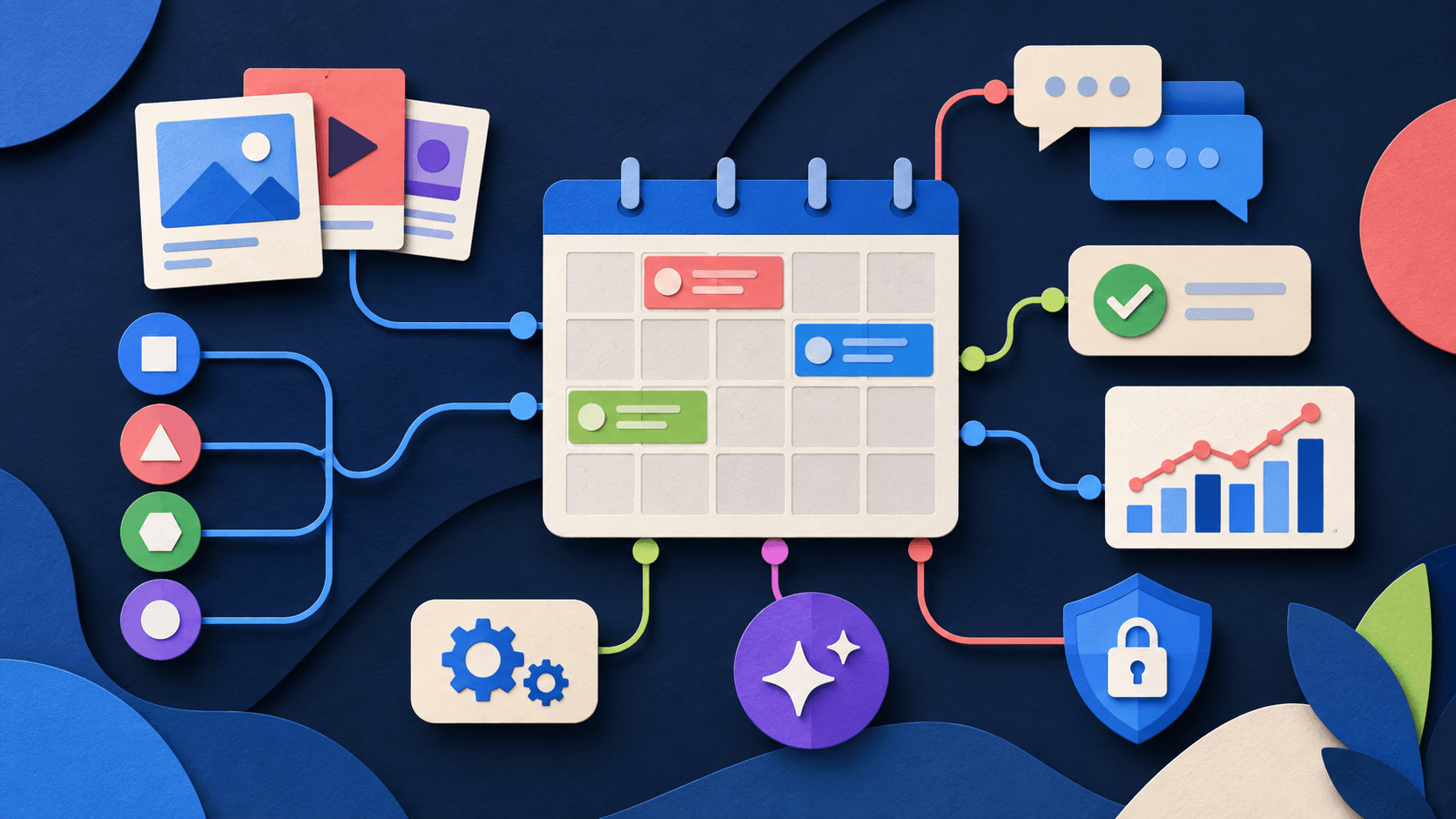
Vista Social Review 2026: Is It Worth It for Social Media Teams?
Vista Social combines serious social operations with newer AI and automation layers, but network gaps and add-on economics determine its real value.
A research-based Vista Social review of its pricing, AI assistant, scheduler, inbox, analytics, listening, automations, security, alternatives, and practical buyer test.
Read guide
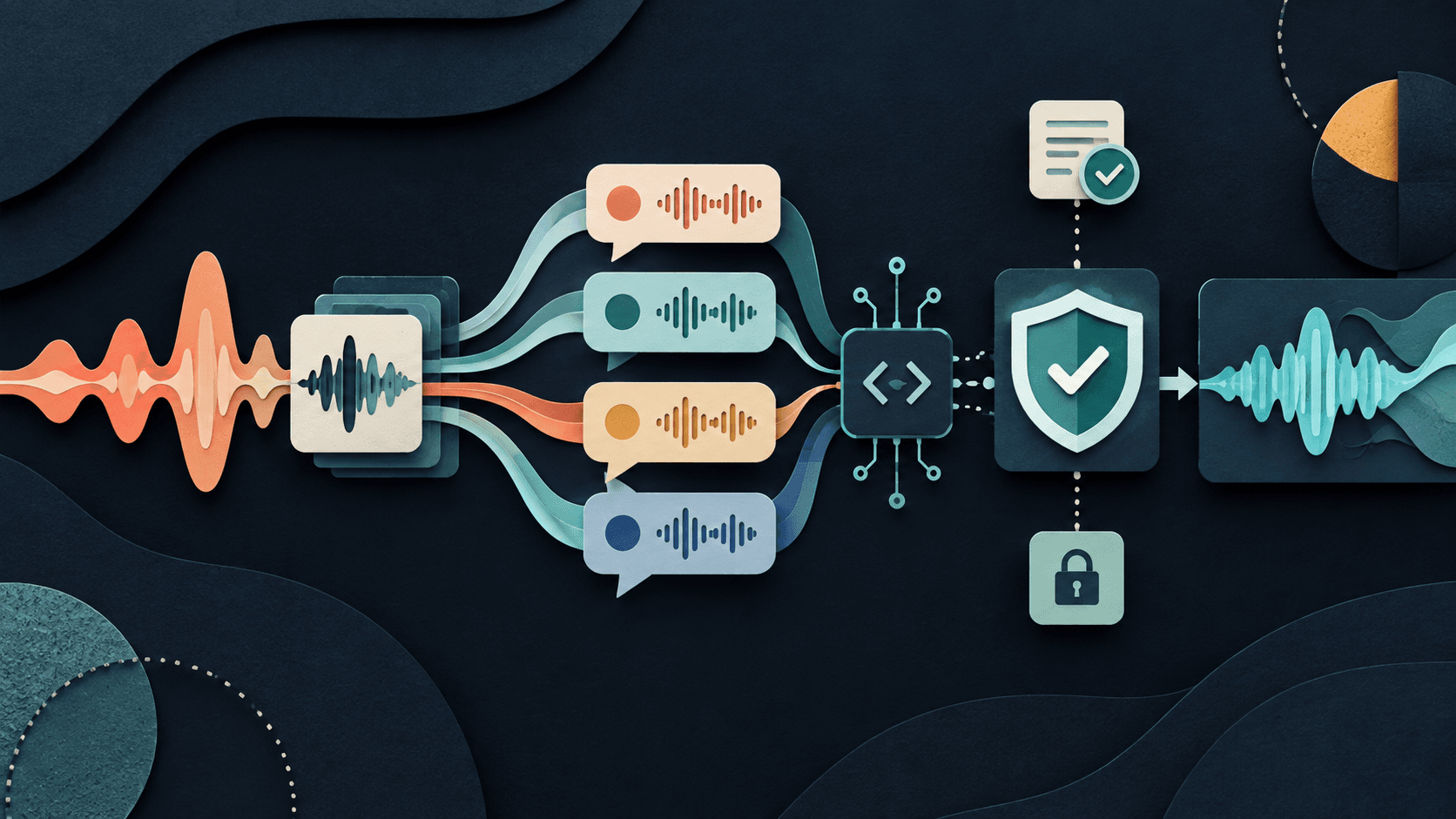
Fish Audio Review 2026: Is Its AI Voice Cloning Worth It?
Fish Audio pairs expressive synthetic speech with fast voice cloning and developer APIs, but consent, long-form quality, and data handling decide whether it belongs in production.
A research-based Fish Audio review of its expressive speech, voice cloning, pricing, API, commercial rights, privacy, alternatives, and practical buyer test.
Read guide

Best AI for Business Writing in 2026: Emails, Proposals, Reports, and Policies
Claude is our first choice for substantial documents, while ChatGPT is the stronger all-purpose assistant and Grammarly is the easiest editing layer.
Choose the best business-writing AI by deliverable, collaboration needs, privacy, and the amount of human editing it actually removes.
Read guide

Claude vs. ChatGPT for Small Business in 2026: Which Should You Pay For?
Claude wins document-heavy work; ChatGPT wins breadth. Most microbusinesses should pay for one only after testing the free tiers on real weekly tasks.
A task-by-task Claude versus ChatGPT decision for owners choosing one paid AI assistant rather than collecting overlapping subscriptions.
Read guide

Best AI Writing Tools in 2026: 9 Picks by Use Case, Budget, and Workflow
There is no universal winner: Claude leads long-form drafting, ChatGPT is the best generalist, Grammarly excels at revision, and specialist tools earn their place through workflow controls.
A use-case map for choosing an AI writing tool without paying for overlapping chatbots, editors, and marketing suites.
Read guide
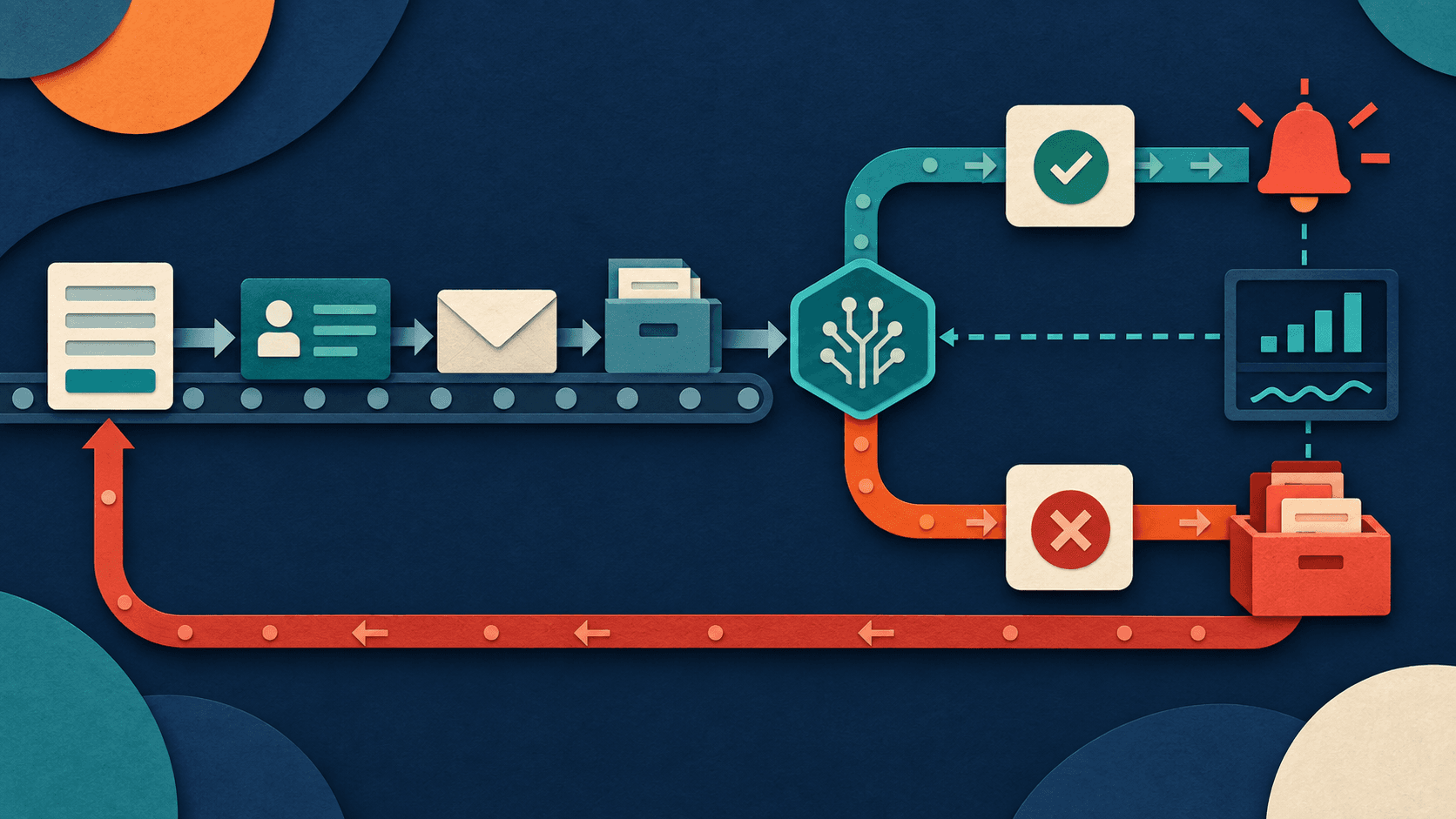
How to Automate Business Tasks With Zapier and AI in 2026
A safe implementation guide for turning repetitive handoffs into reliable automations—with AI used only where interpretation is actually needed.
Build a dependable Zapier automation from one repetitive task, explicit field mapping, human approval, failure alerts, and outcome-level measurement.
Read guide

AI Tools for Nonprofits in 2026: Build a Practical Mission-First Stack
Start with approved general-purpose tools and one mission workflow; add specialist software only when it removes a measured constraint.
A mission-first framework for assembling nonprofit AI tools without exposing donor data, duplicating subscriptions, or confusing output volume with impact.
Read guide