Reviews, news and how-to guides
AI articles and reviews — page 19
Find a review, catch up on the news or learn how to complete a task. Browse by topic or filter the library below.
Not sure where to begin?
Answer three questions and get a focused tool shortlist for your budget and priority.
Use the AI Tool Finder →Choose a pathway
Explore by topic
Owners and lean teams
Work & Operations
Save time on research, meetings, planning, finance, administration, and repeatable operations.
Marketing and fundraising teams
Marketing & Growth
Plan campaigns, improve social publishing, email, analytics, fundraising, and measurable growth.
Writers and publishers
Content & Search
Research, write, optimize, refresh, and distribute useful content with responsible AI workflows.
Creators and communications teams
Video, Audio & Creative
Create, edit, repurpose, and distribute video, voice, podcasts, images, and presentations.
Service and community leaders
Customers & Community
Improve customer support, donor stewardship, volunteer coordination, outreach, and client communication.
Builders and decision makers
Build, Design & Govern
Choose and deploy AI safely across websites, apps, design systems, privacy, security, and governance.
Editor recommended
Start with these essential guides
Selected by the editors to help you get started.

How Small Business Owners Can Save 10+ Hours a Week With AI Automation in 2026
A practical, no-hype guide to automating the repetitive tasks that consume small business owners' most limited resource: time.
A practical, no-hype guide to automating the repetitive tasks that consume small business owners' most limited resource: time. Written for small business owners working 50+ hours a week on operations, marketing, and admin, with a decision framework, step-by-step workflow, measurable outcomes, and clear limitations.
Read guide
How Understaffed Nonprofits Can Build Capacity With AI Tools in 2026
A strategic framework for using AI to multiply a small team's output without burning out the people you have.
A strategic framework for using AI to multiply a small team's output without burning out the people you have. Written for nonprofit executive directors leading teams of fewer than five people, with a decision framework, step-by-step workflow, measurable outcomes, and clear limitations.
Read guide
How to Choose the Right AI Tool for Your Business
Stop chasing every new AI launch. A practical decision framework for evaluating AI tools based on your actual needs, budget, and risk tolerance.
A practical decision framework for evaluating AI tools: define the problem, score contenders, decide build vs. buy, and know when to cancel. No hype, just a repeatable process.
Read guide
Recently published
Latest articles
Vid2Notes Review: Turn Training Videos Into Usable Notes
Review Vid2Notes for illustrated training notes: free upload limits, annual billing, export options and a practical accuracy check before sharing.
Review Vid2Notes for illustrated training notes: free upload limits, annual billing, export options and a practical accuracy check before sharing.
Read guide
Voice AI for Canva Review: Narration Costs and Practical Limits
Review Voice AI for Canva: character allowances, in-app generation and a narration test for presentations, training videos and client campaigns.
Review Voice AI for Canva: character allowances, in-app generation and a narration test for presentations, training videos and client campaigns.
Read guide
LayerBack Review: Turn Diagram Images Into Editable Files
Review LayerBack for editable Visio, PowerPoint and draw.io diagrams, including download credits, privacy limits and a connector-checking trial.
Review LayerBack for editable Visio, PowerPoint and draw.io diagrams, including download credits, privacy limits and a connector-checking trial.
Read guide
The weekly briefing
Make better AI decisions each week.
Get tool recommendations, product and pricing news, and a practical task to try each week.
Browse reviews, news and guides

Run a Two-Week AI Desktop Assistant Pilot
Desktop convenience is valuable only when accepted work gets faster and the shortcut does not blur data, account, or permission boundaries.
Test an AI desktop app on repeated real tasks before standardizing it. This plan measures accepted outcomes, context handling, corrections, privacy, and reversibility.
Read guide

Gemini 4 Argon Is Powerful on Paper—But It Is Not a Public Launch
A million-token output ceiling and ambitious internal results deserve attention; a trusted-tester rollout still leaves ordinary buyers without production evidence.
Gemini 4 Argon begins with trusted cyber defenders, not general availability. Here is how to read Google's capability, price, and safety claims before planning a migration.
Read guide

Gemini Live Guided Vision Makes Co-Design the Important AI Feature
Community testing and explicit non-navigation limits are stronger than a generic vision demo, but real-world errors, latency, privacy, and safe failure still matter.
Guided Vision offers conversational visual assistance on supported Android devices. Its most important lessons are co-design, frictionless access, and honest safety boundaries.
Read guide

Happenstance Review 2026: AI Network Search, Pricing, and Privacy
Happenstance can recover valuable relationship paths from scattered accounts, but a larger searchable network also creates a larger consent and governance decision.
Happenstance searches connected relationship data for warm introduction paths. Judge it by accepted introductions, consent, and useful outcomes—not searchable contact count.
Read guide

Run an AI Accessibility Acceptance Test Before Launch
A feature is not accessible because it has an accessibility label; representative users must be able to complete the real task and recover when the AI is wrong.
Test AI accessibility as an end-to-end workflow. This checklist covers input, output, uncertainty, errors, privacy, human fallback, and safe stop behavior.
Read guide

Barclays Is Scaling Claude—The Missing Metric Is Accepted Work
Sixteen thousand users and 120,000 routed emails a day show adoption; they do not yet show accuracy, customer outcomes, control quality, or net value.
Barclays is expanding Claude across a regulated bank. The announcement offers unusually concrete usage volumes, but buyers still need error, override, outcome, and cost evidence.
Read guide

Google’s Higher-Ed AI Push Needs an Outcomes Scorecard
Training activity and pilot participation are inputs; colleges need evidence that learning, advising, persistence, access, and career outcomes improve without widening risk.
Google.org is backing educator training, career-connected learning, and community-college planning. Institutions should pre-register the outcomes that would justify scaling.
Read guide
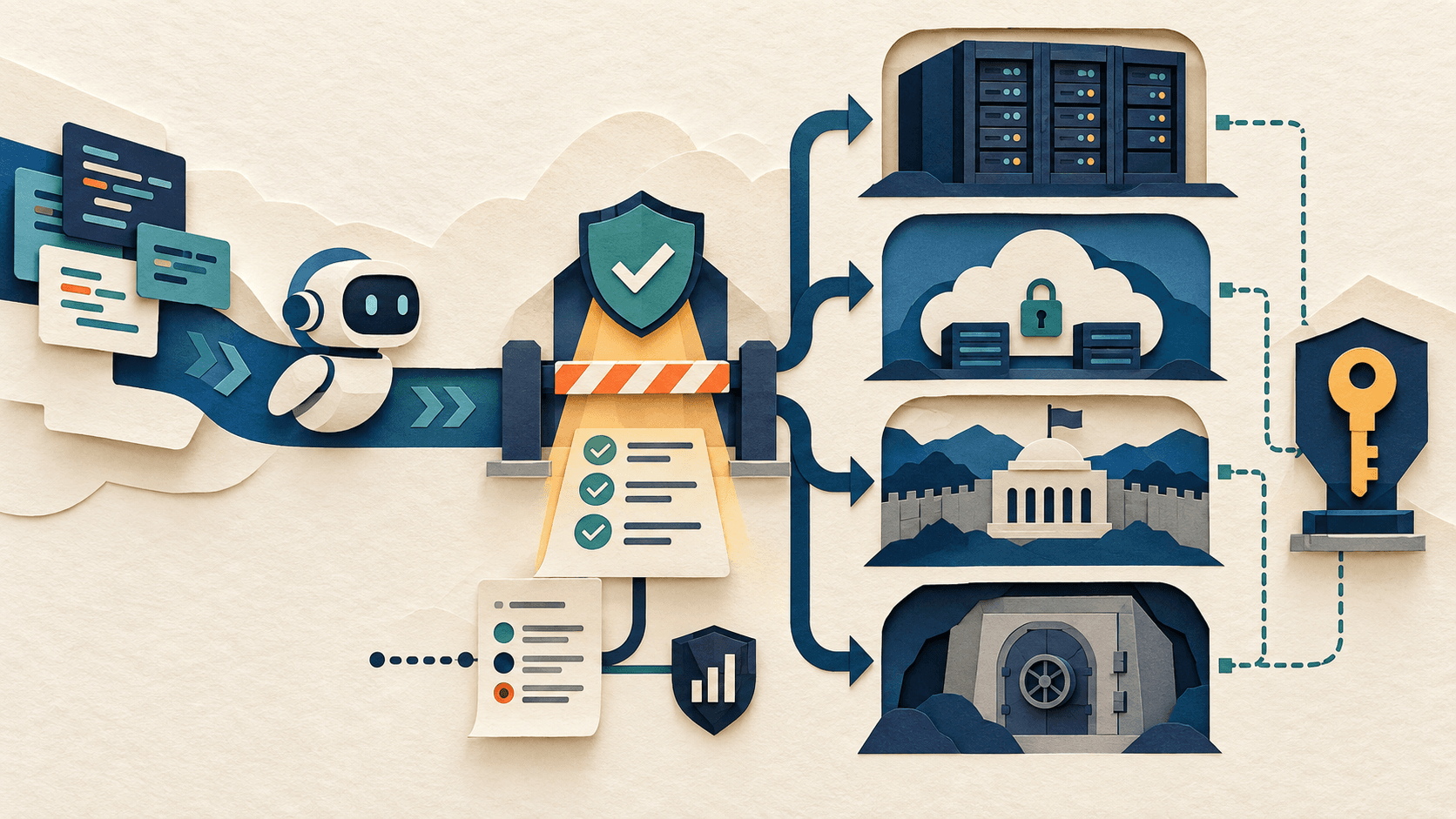
IBM Bob Goes Self-Hosted—AI Sovereignty Still Needs Proof
Keeping source code inside controlled infrastructure changes the data boundary, but it does not automatically prove isolation, model control, or safe agent behavior.
IBM Bob now supports self-hosted deployment for sensitive software work. Buyers should verify every model, update, telemetry, identity, and egress path.
Read guide
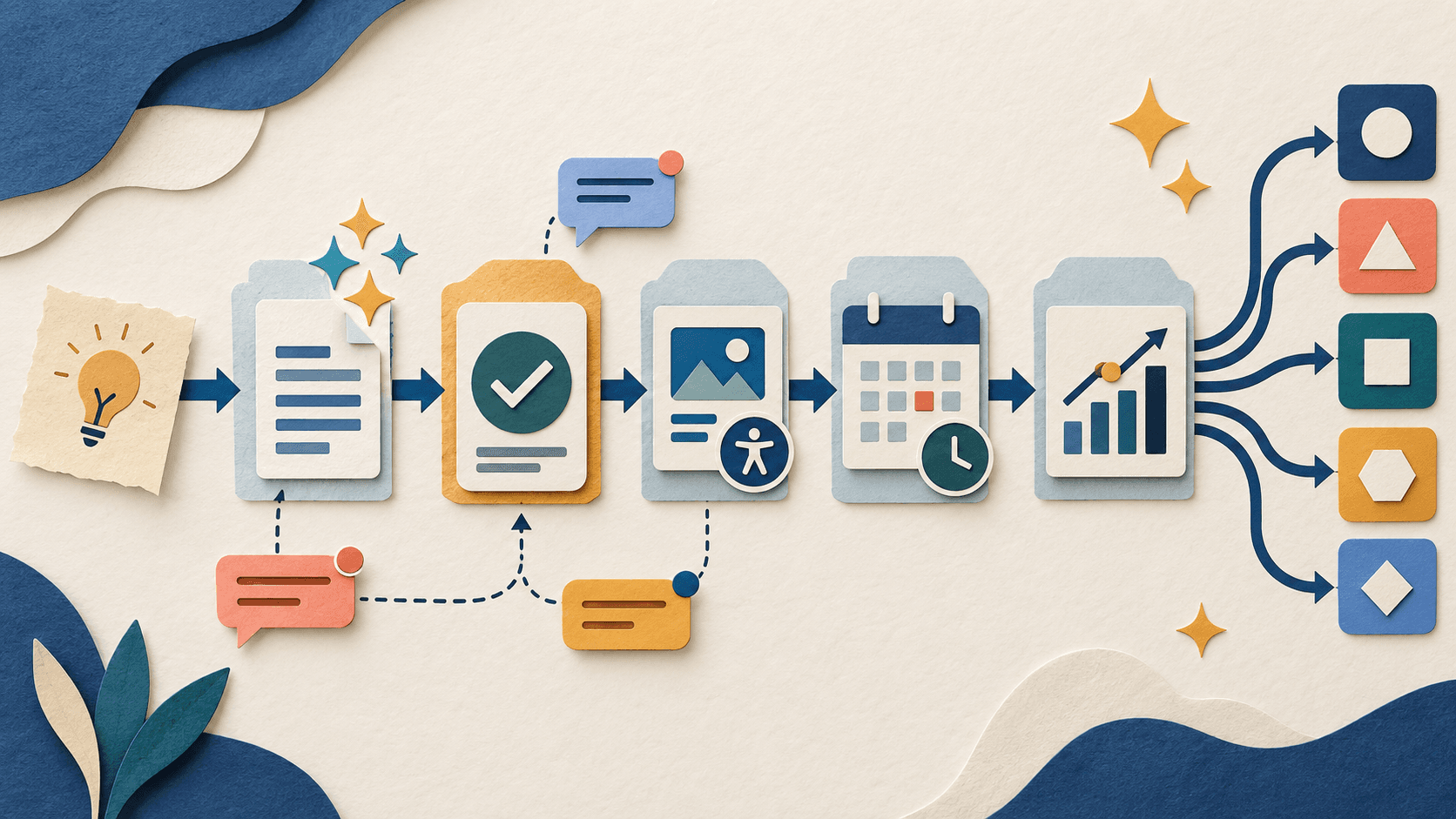
Typefully Review 2026: AI, Scheduling, Pricing, and Fit
Typefully is strongest when a team needs a writing-and-review system for text-led social channels—not another machine for generating more posts.
Typefully combines writing, review, scheduling, analytics, and agent access. Judge it by approved posts and safe publishing, not output volume.
Read guide

Build an AI Vendor Exit Plan Before You Need One
Canceling a subscription is the easy part; recovering data, authority, workflows, evidence, and continuity is the actual exit.
Plan an AI tool exit before renewal or failure. This checklist covers exports, prompts, agents, credentials, automations, records, deletion, and replacement tests.
Read guide

GPT-6 Astra vs GPT-5.4: Should You Upgrade?
Astra is the stronger candidate for difficult end-to-end work; GPT-5.4 remains the sensible baseline when routine output already passes review.
A workload-based GPT-6 Astra vs GPT-5.4 comparison with migration risks, cost controls, and a 30-task upgrade test.
Read guide

Microsoft Copilot App Merger: Migration Checklist
Treat the app merger as a records, permissions, and workflow migration—not a cosmetic navigation update.
A practical Copilot app-merger checklist for inventories, exports, permissions, acceptance tests, communications, and rollback.
Read guide
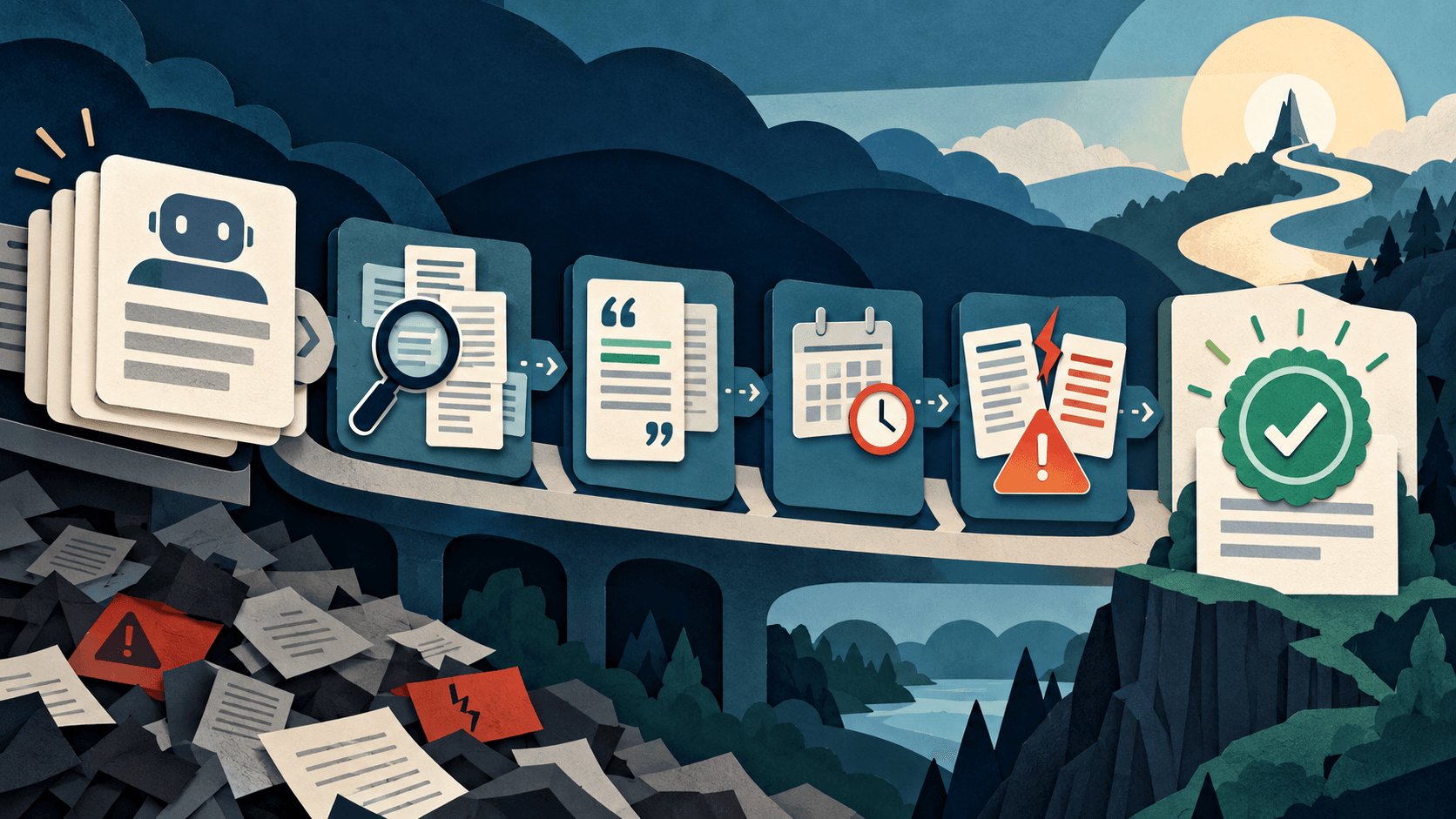
How to Fact-Check AI Citations and Sources
A real link is not enough: the source must exist, support the exact claim, use the stated context, and deserve the weight placed on it.
A repeatable citation audit for AI answers covering source identity, claim support, quote context, dates, statistics, and contradictions.
Read guide

Msty Local AI Privacy and Security Checklist
A local desktop app can still send prompts, documents, searches, or embeddings elsewhere; privacy depends on the complete route.
A practical Msty checklist for proving what stays local, what leaves the device, and how to test documents, models, search, backups, and deletion.
Read guide

Granola AI Pricing: Free vs Business Plans
Upgrade for recurring team value and usable history—not because one impressive meeting summary creates a subscription habit.
A buyer-focused Granola pricing guide covering the free boundary, paid seats, team controls, consent, retention, and cost per accepted meeting note.
Read guide

Anthropic’s Enterprise Frontier Safeguards Put Storage in Customer Control
Customer-controlled storage can narrow a privacy tradeoff, but buyers still need architecture, retention, alert, access, and incident evidence.
Anthropic’s Enterprise Frontier Safeguards combine customer-controlled data storage with misuse monitoring. The rollout is phased, and implementation details matter.
Read guide

Microsoft’s School AI Safety Pledge Needs a Procurement Test
Principles are a useful floor; schools still need product-specific data maps, age controls, oversight, accessibility, evidence, and enforceable remedies.
Microsoft outlined school AI principles covering privacy, human oversight, learning, system support, and readiness. Districts should translate them into contract tests.
Read guide
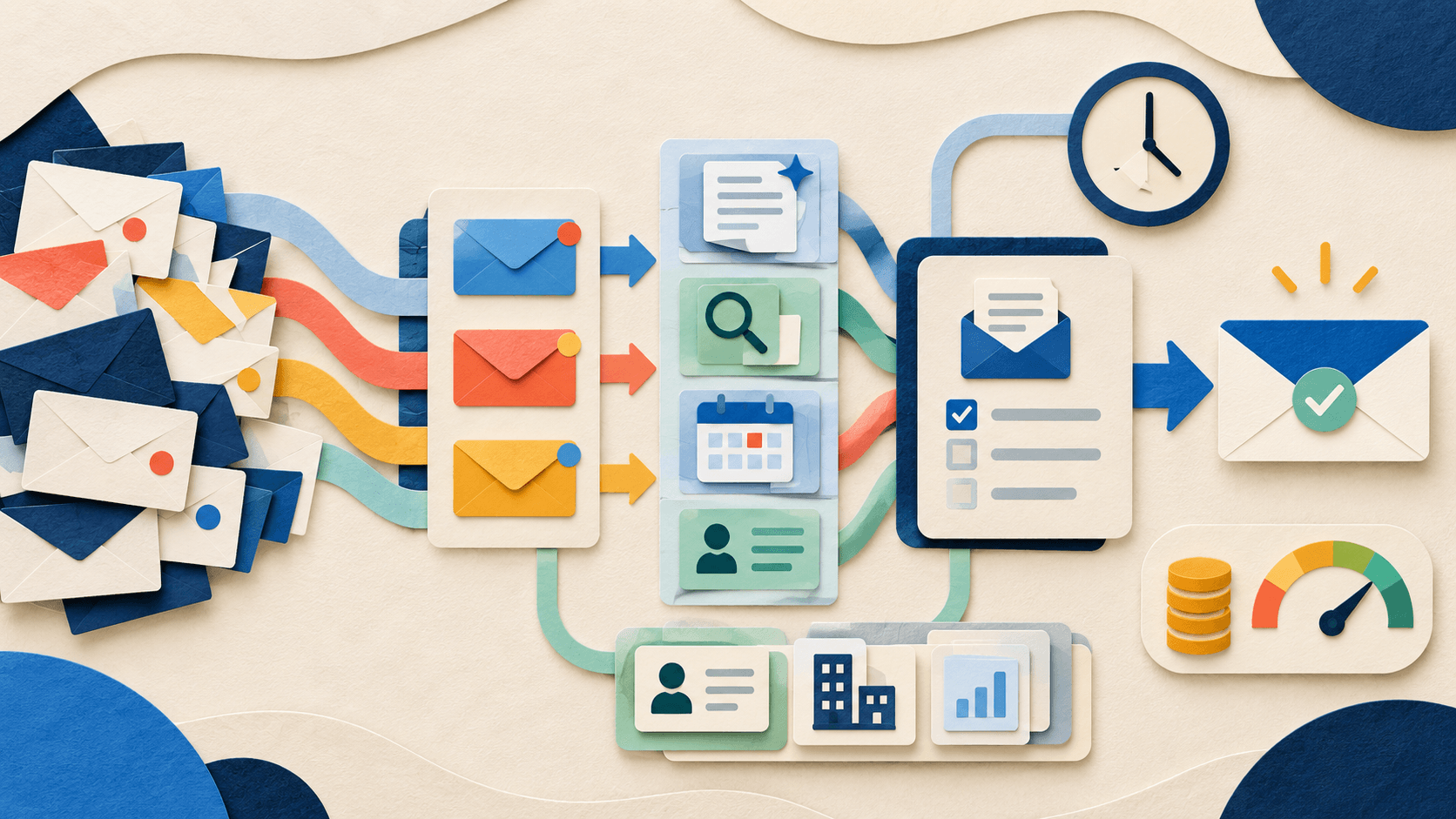
Superhuman Mail Review 2026: AI, Pricing, and Fit
A fast inbox earns its premium only when it improves accepted replies, follow-through, and relationship outcomes—not keyboard activity.
Superhuman Mail combines high-speed email controls and AI assistance. Judge it by missed-message risk, accepted drafts, correction time, and outcomes per paid seat.
Read guide