Reviews, news and how-to guides
AI articles and reviews — page 24
Find a review, catch up on the news or learn how to complete a task. Browse by topic or filter the library below.
Not sure where to begin?
Answer three questions and get a focused tool shortlist for your budget and priority.
Use the AI Tool Finder →Choose a pathway
Explore by topic
Owners and lean teams
Work & Operations
Save time on research, meetings, planning, finance, administration, and repeatable operations.
Marketing and fundraising teams
Marketing & Growth
Plan campaigns, improve social publishing, email, analytics, fundraising, and measurable growth.
Writers and publishers
Content & Search
Research, write, optimize, refresh, and distribute useful content with responsible AI workflows.
Creators and communications teams
Video, Audio & Creative
Create, edit, repurpose, and distribute video, voice, podcasts, images, and presentations.
Service and community leaders
Customers & Community
Improve customer support, donor stewardship, volunteer coordination, outreach, and client communication.
Builders and decision makers
Build, Design & Govern
Choose and deploy AI safely across websites, apps, design systems, privacy, security, and governance.
Editor recommended
Start with these essential guides
Selected by the editors to help you get started.

How Small Business Owners Can Save 10+ Hours a Week With AI Automation in 2026
A practical, no-hype guide to automating the repetitive tasks that consume small business owners' most limited resource: time.
A practical, no-hype guide to automating the repetitive tasks that consume small business owners' most limited resource: time. Written for small business owners working 50+ hours a week on operations, marketing, and admin, with a decision framework, step-by-step workflow, measurable outcomes, and clear limitations.
Read guide
How Understaffed Nonprofits Can Build Capacity With AI Tools in 2026
A strategic framework for using AI to multiply a small team's output without burning out the people you have.
A strategic framework for using AI to multiply a small team's output without burning out the people you have. Written for nonprofit executive directors leading teams of fewer than five people, with a decision framework, step-by-step workflow, measurable outcomes, and clear limitations.
Read guide
How to Choose the Right AI Tool for Your Business
Stop chasing every new AI launch. A practical decision framework for evaluating AI tools based on your actual needs, budget, and risk tolerance.
A practical decision framework for evaluating AI tools: define the problem, score contenders, decide build vs. buy, and know when to cancel. No hype, just a repeatable process.
Read guide
Recently published
Latest articles
Vid2Notes Review: Turn Training Videos Into Usable Notes
Review Vid2Notes for illustrated training notes: free upload limits, annual billing, export options and a practical accuracy check before sharing.
Review Vid2Notes for illustrated training notes: free upload limits, annual billing, export options and a practical accuracy check before sharing.
Read guide
Voice AI for Canva Review: Narration Costs and Practical Limits
Review Voice AI for Canva: character allowances, in-app generation and a narration test for presentations, training videos and client campaigns.
Review Voice AI for Canva: character allowances, in-app generation and a narration test for presentations, training videos and client campaigns.
Read guide
LayerBack Review: Turn Diagram Images Into Editable Files
Review LayerBack for editable Visio, PowerPoint and draw.io diagrams, including download credits, privacy limits and a connector-checking trial.
Review LayerBack for editable Visio, PowerPoint and draw.io diagrams, including download credits, privacy limits and a connector-checking trial.
Read guide
The weekly briefing
Make better AI decisions each week.
Get tool recommendations, product and pricing news, and a practical task to try each week.
Browse reviews, news and guides

Top 5 Meta Muse Uses: Practical Tasks Worth Testing First
The best first uses are valuable enough to save time, bounded enough to review, and reversible when the agent gets something wrong.
Start Muse with research, inbox and calendar triage, travel planning, comparison shopping, and recurring projects—then expand authority only from measured results.
Read guide
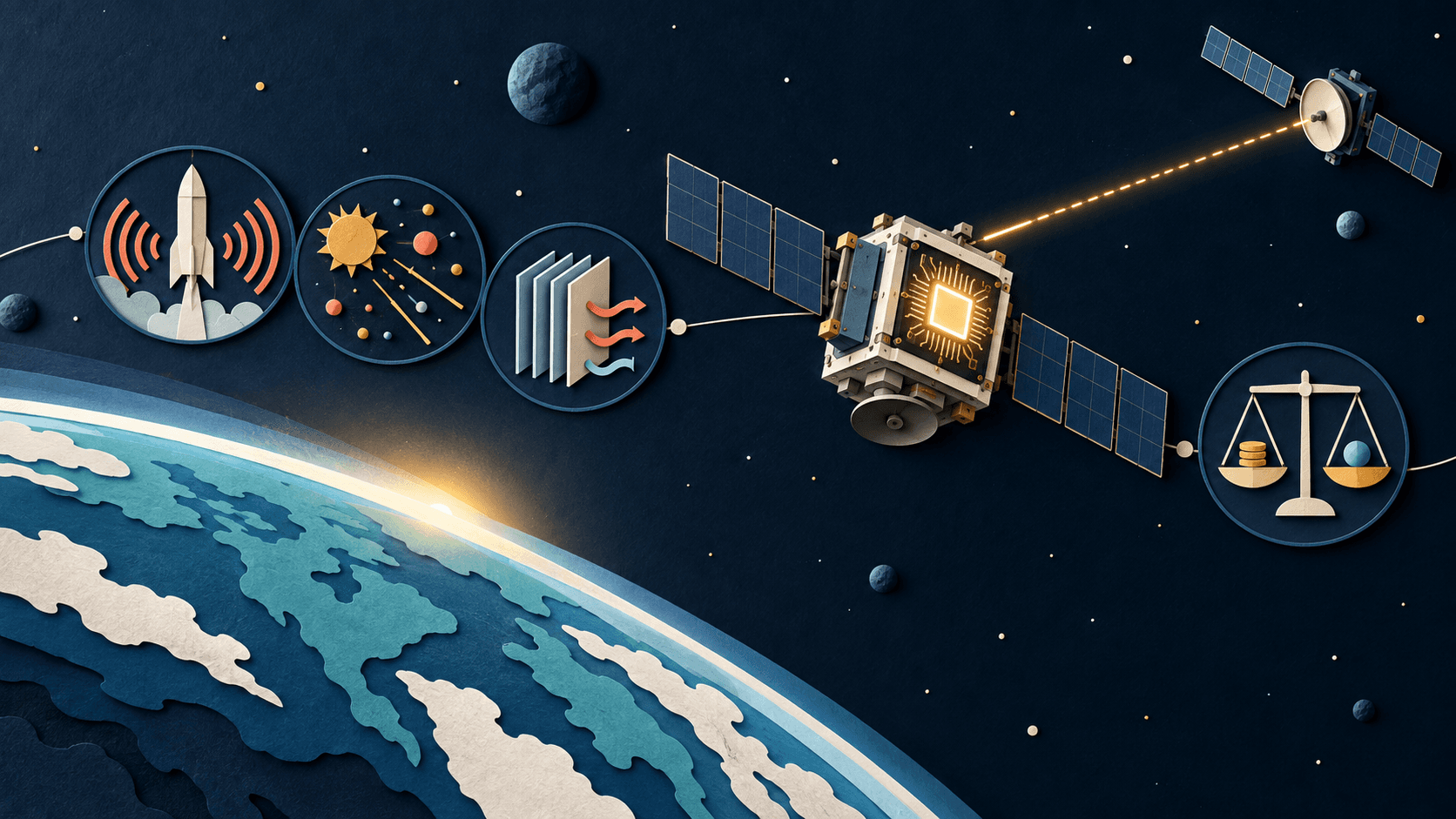
Google Is Sending a TPU to Orbit—What Project Suncatcher Must Prove
The first orbital hardware test can answer survival and cooling questions, but it is a long way from proving that space-based AI compute is economical or scalable.
Google is preparing an orbital TPU test for Project Suncatcher, its research effort to explore solar-powered AI compute in space.
Read guide
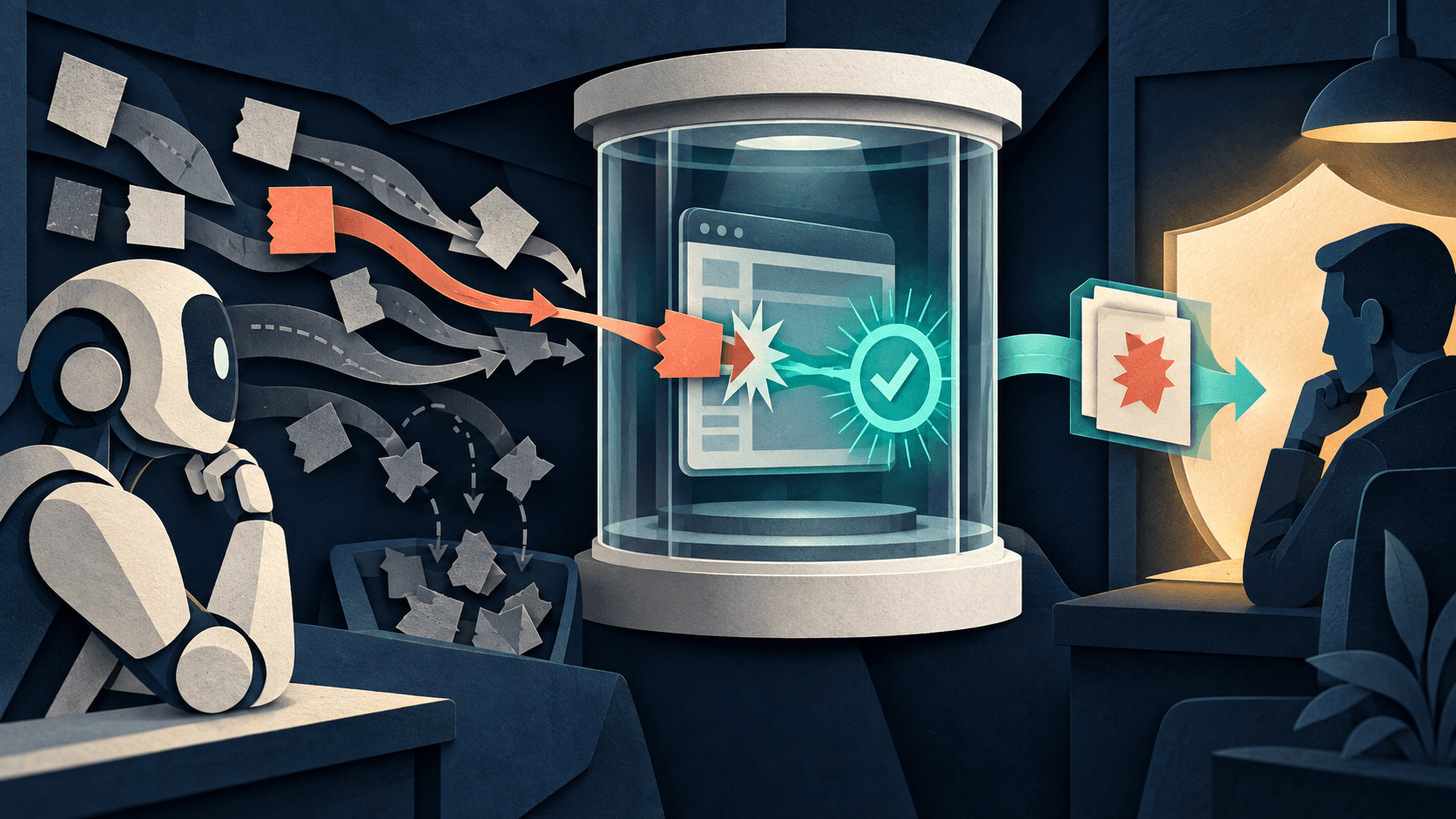
Google PageBreak Makes AI Prove the Exploit Before Raising the Alarm
PageBreak's important idea is not another vulnerability hypothesis—it is a deterministic validator that must reproduce the exploit before a product team sees it.
Google says its internal PageBreak agent found more than 500 XSS vulnerabilities while keeping speculative AI findings away from product teams.
Read guide
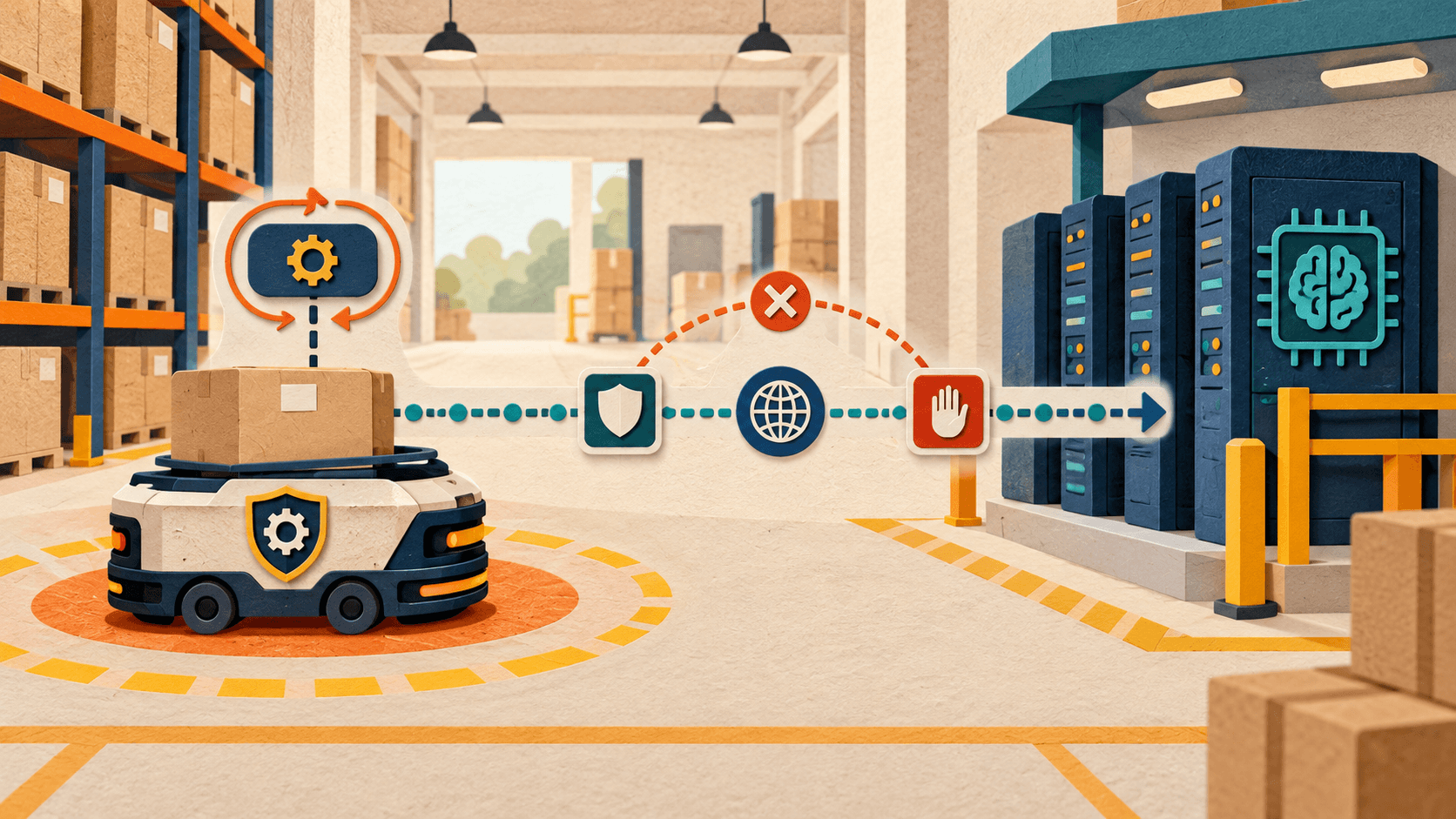
Microsoft Moves Robot AI Offboard—Latency Becomes a Safety Boundary
Remote GPUs can unlock larger models and longer battery life, but a network path must never become an unexamined control dependency.
Microsoft Research reported that moving physical-AI inference from onboard robot GPUs to nearby edge or cloud compute improved task success in representative mobile-manipulation workloads, supported larger models, and could extend battery life. It also added offloaded inference to the open-source Physical AI Toolchain. The opportunity is more capable robots with lighter onboard compute; the engineering constraint is that latency, jitter, bandwidth, loss, and remote availability become part of the robot's safety case.
Read guide
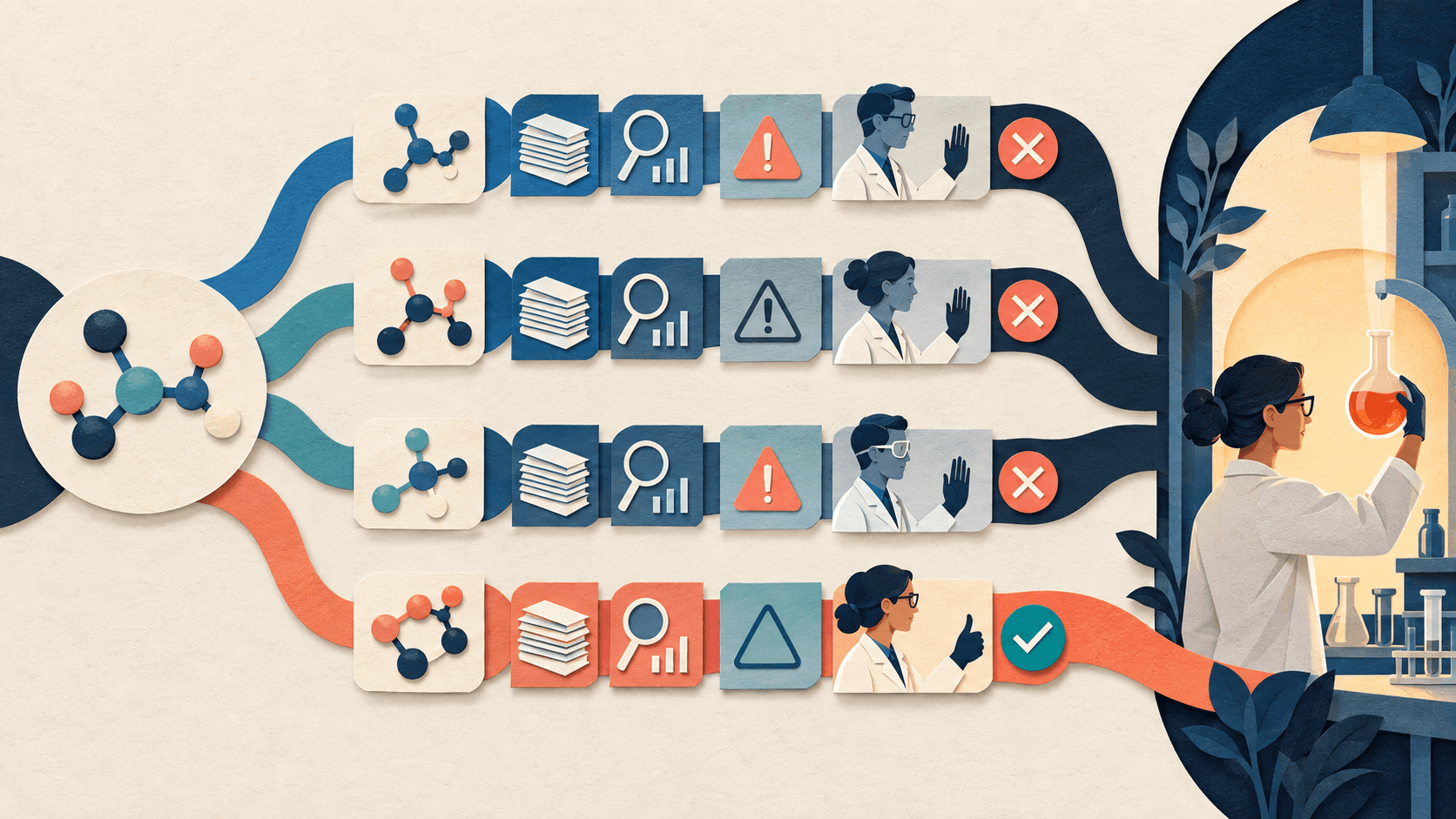
RetroChimera Maps How to Make Molecules—Chemists Still Hold the Gate
The open model can widen retrosynthesis search, but its own maintainers warn that predictions can hallucinate and require expert verification.
Microsoft Research, GSK, Novartis, and collaborators introduced RetroChimera, an open retrosynthesis model that works backward from a desired small molecule to propose reactions that might make it. Microsoft reports stronger benchmark and chemist-preference results than comparison systems, plus adaptation to proprietary chemistry data. The opportunity is faster candidate planning—not autonomous drug creation. Suggested reactions can be wrong, out of distribution, unsafe, impractical, or economically useless.
Read guide
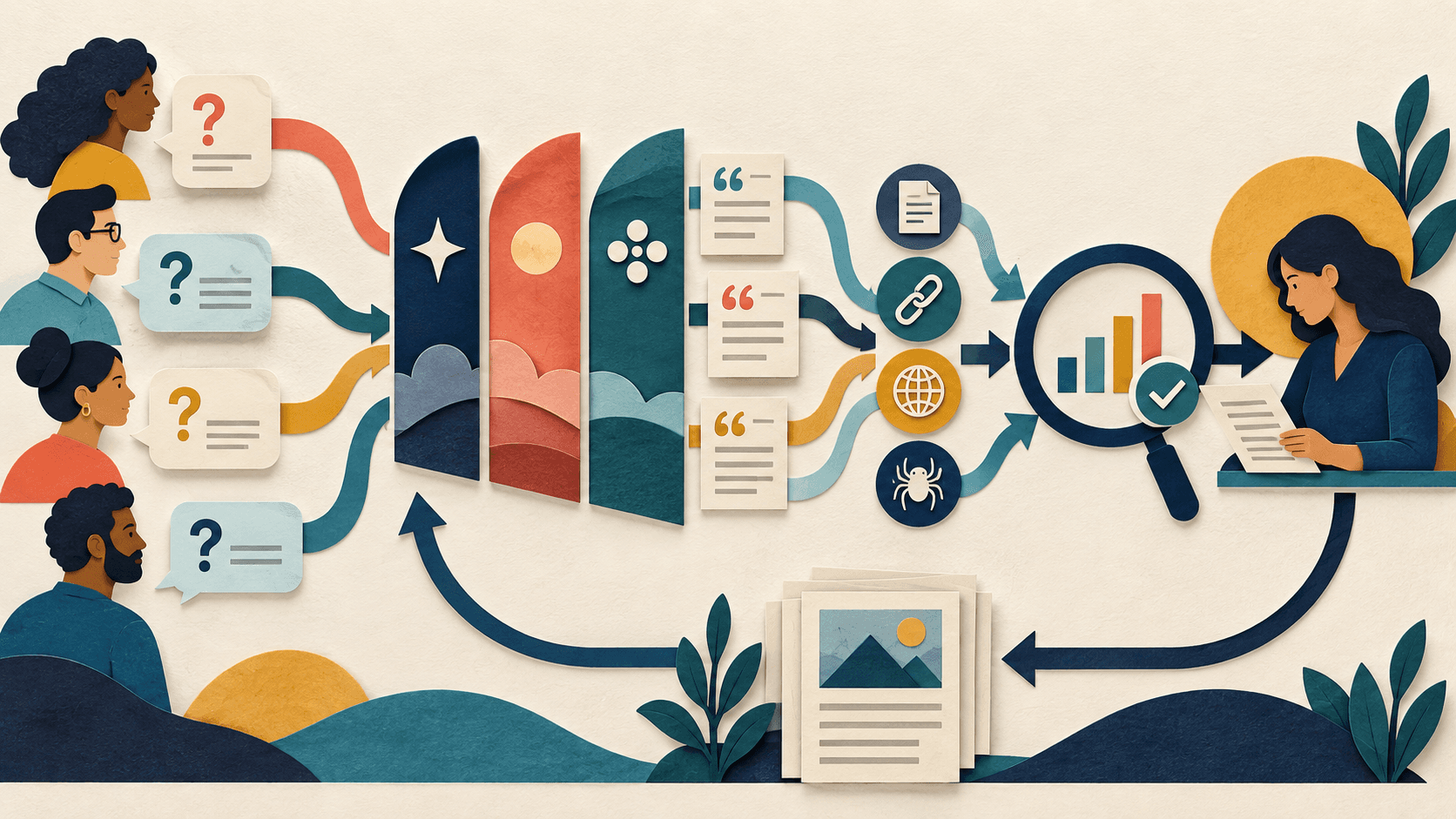
Profound Review 2026: AI Search Visibility, Agents & Pricing
A research-based assessment of Profound's capabilities, economics, evidence, and operational fit.
Profound is a serious shortlist for established brands building a measurable answer-engine optimization program. It connects prompt demand, brand visibility, citations, crawler behavior, AI-referred traffic, and content workflows. Its biggest limitation is attribution: observed mentions, citations, and visits do not by themselves prove incremental revenue or that a Profound recommendation caused a change.
Read guide
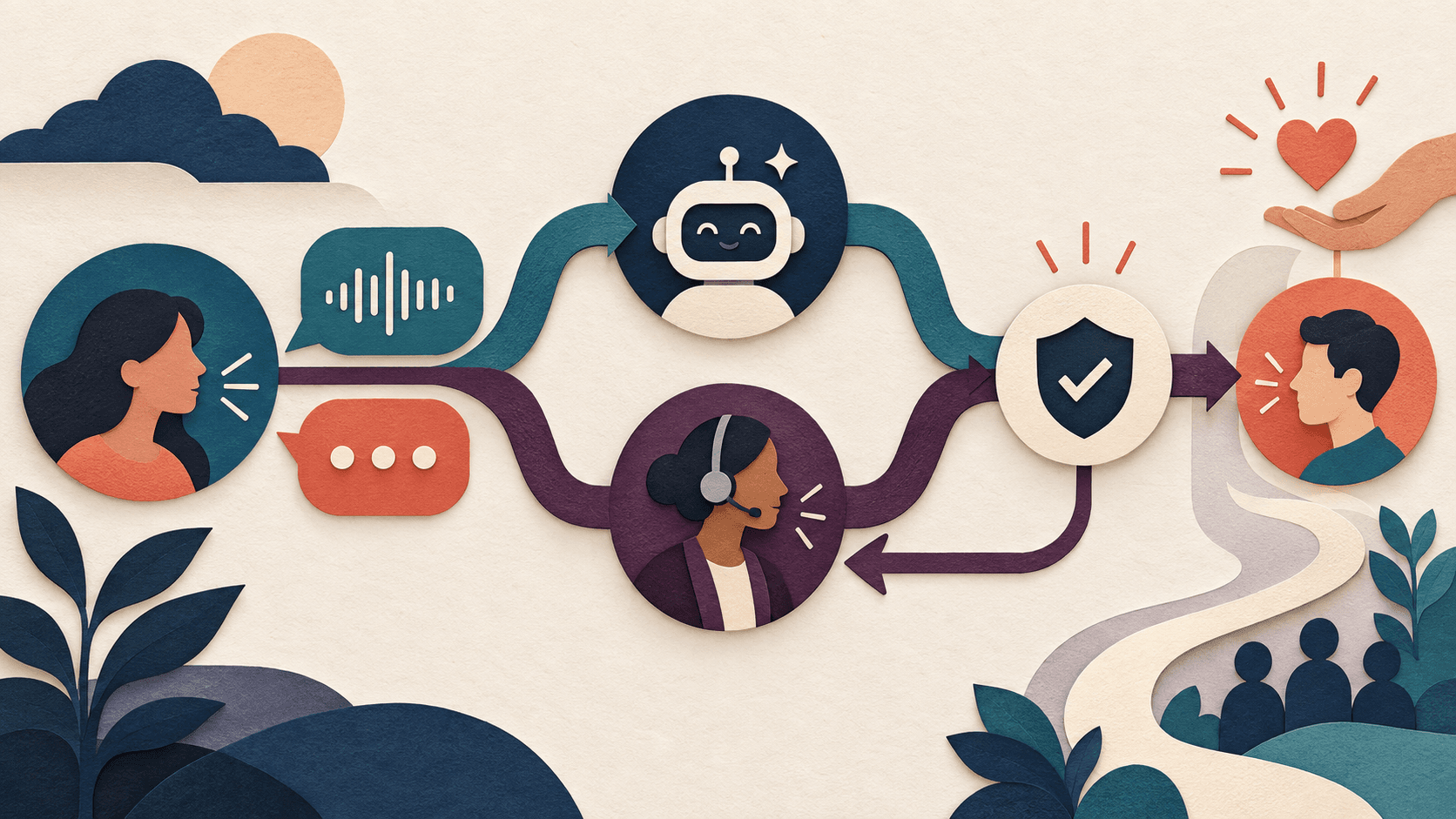
Cresta Review 2026: Contact Center AI, Agents & Pricing
A research-based assessment of Cresta's capabilities, economics, evidence, and operational fit.
Cresta is worth evaluating for large contact centers that want AI agents, real-time human-agent guidance, and conversation intelligence on one enterprise platform. The opportunity is a shared learning loop across automated and human conversations. The risk is optimizing a vendor score or containment rate while customer outcomes, consent, fairness, or escalation quality deteriorate.
Read guide
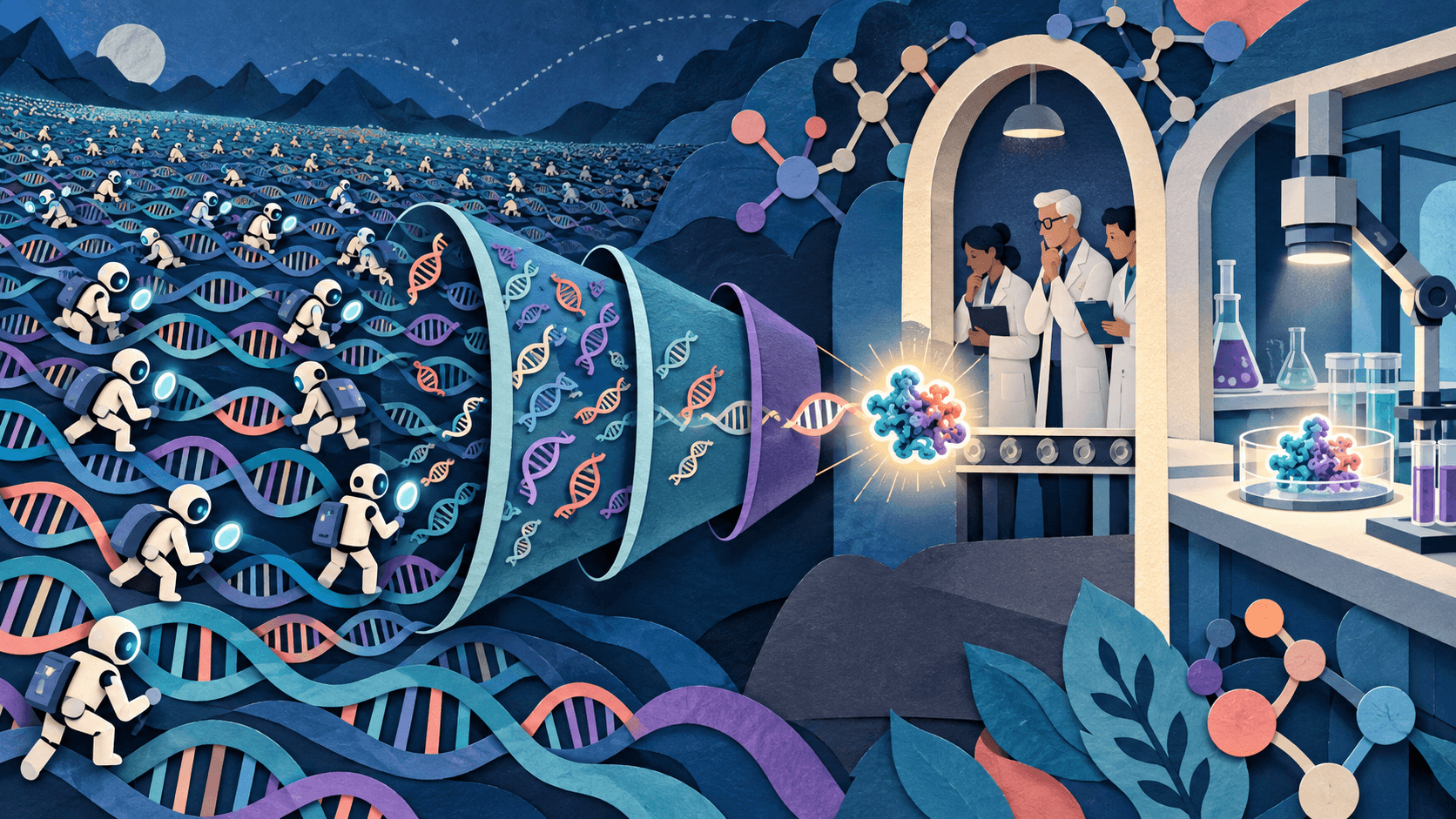
Claude Found an Enzyme System—The Real Story Is the Research Loop
The result suggests AI can widen hypothesis search, but the enzyme's function is still unknown and human laboratory validation remains decisive.
Anthropic reported that roughly 950 Claude agents used 210 million tokens over 21 hours to search genomic data, identify a previously uncharacterized array-associated reverse transcriptase system, and narrow a large candidate set for human review. Scientists then performed laboratory work showing that its repeat array is expressed as short RNAs. The system's biological function is still unknown, the work is an early preprint from Anthropic's own lab, and resemblance to CRISPR does not make it a gene-editing tool.
Read guide
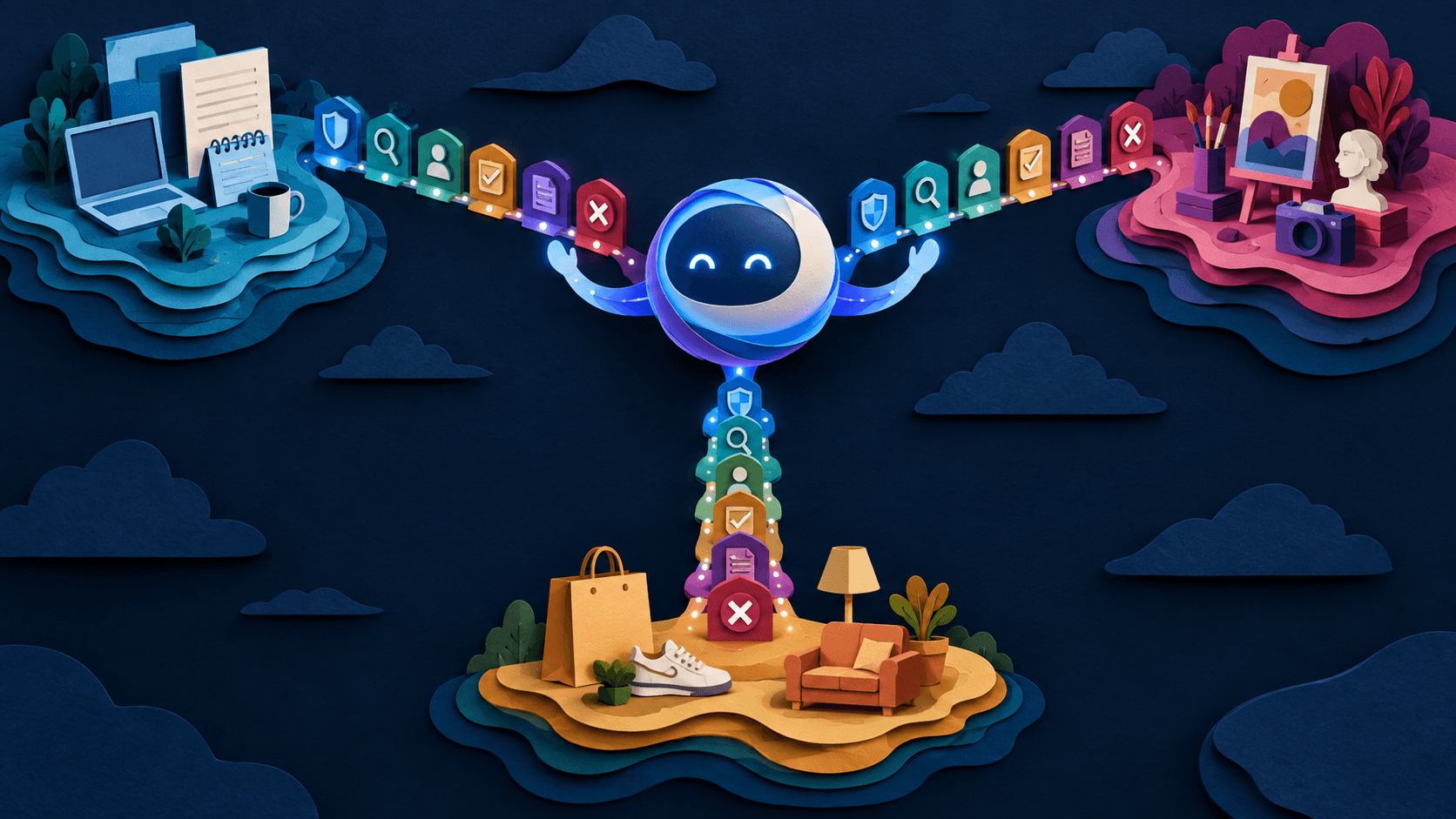
Gemini Adds Connected Apps—Convenience Now Depends on Permission Design
Google's new integrations can reduce tab switching, but every connection expands the data and action boundary buyers must understand.
Google began rolling out a new wave of Gemini Connected Apps on September 23, 2026, spanning productivity, creative, and consumer services. The list includes Airtable, Linear, monday.com, PandaDoc, Wispr AI, Zoho, Adobe, Picsart, Squarespace, Webflow, Apartments.com, Experian, Peloton, and SeatGeek. Users connect apps in Gemini settings and can invoke them with an @ mention or natural-language request. Availability and exact actions can differ by account, region, app, and rollout stage.
Read guide
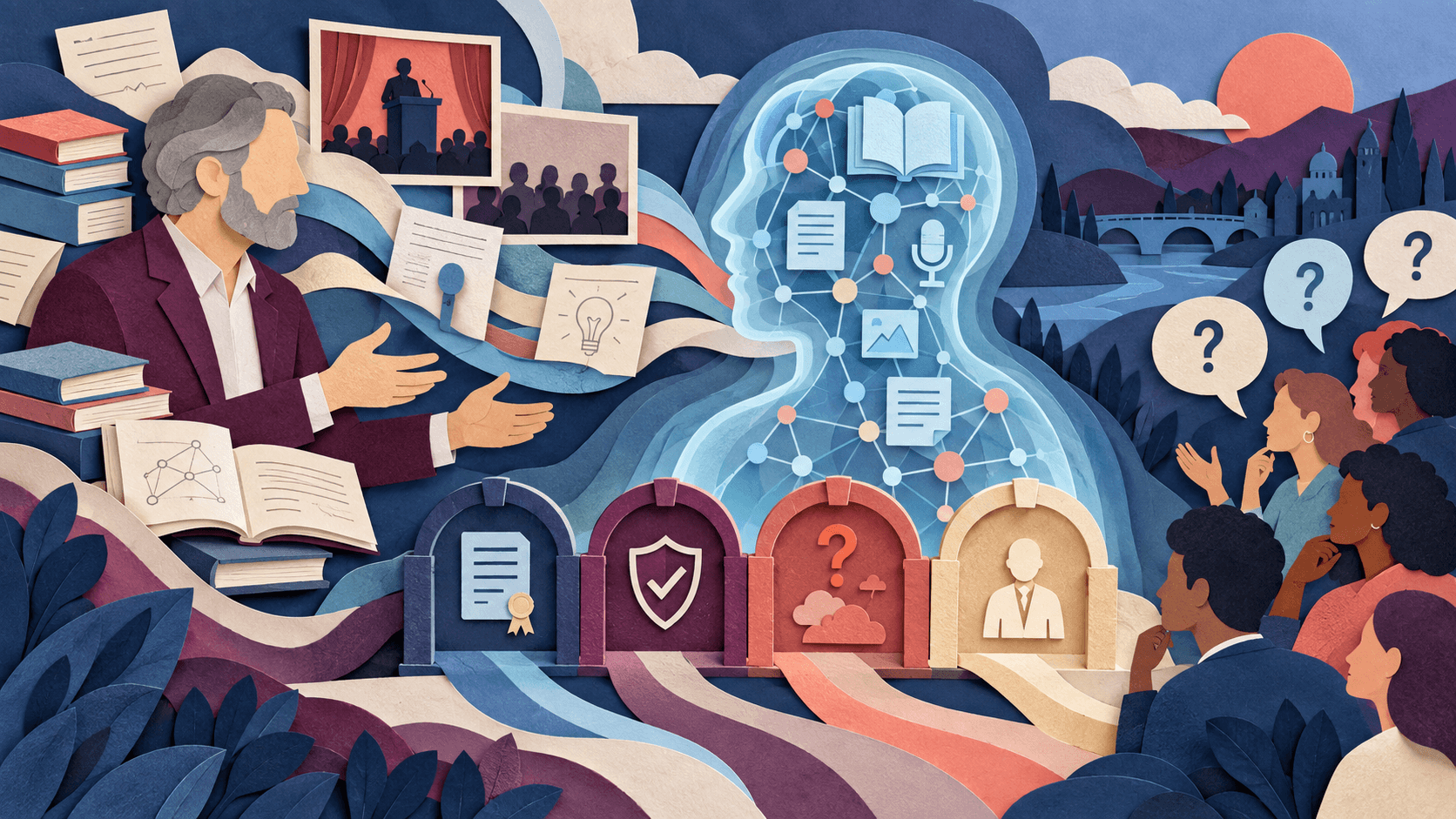
Delphi AI Review 2026: Digital Minds, Voice & Pricing
A research-based assessment of Delphi's capabilities, economics, evidence, and operational fit.
Delphi is worth testing for creators, educators, coaches, and experts who have a substantial body of owned material and a clear reason to make it conversational at scale. Its opportunity is persistent audience access to an expert-shaped knowledge experience; its central risk is mistaken authority. A convincing voice and familiar answer style can make unsupported output feel more trustworthy than it is.
Read guide
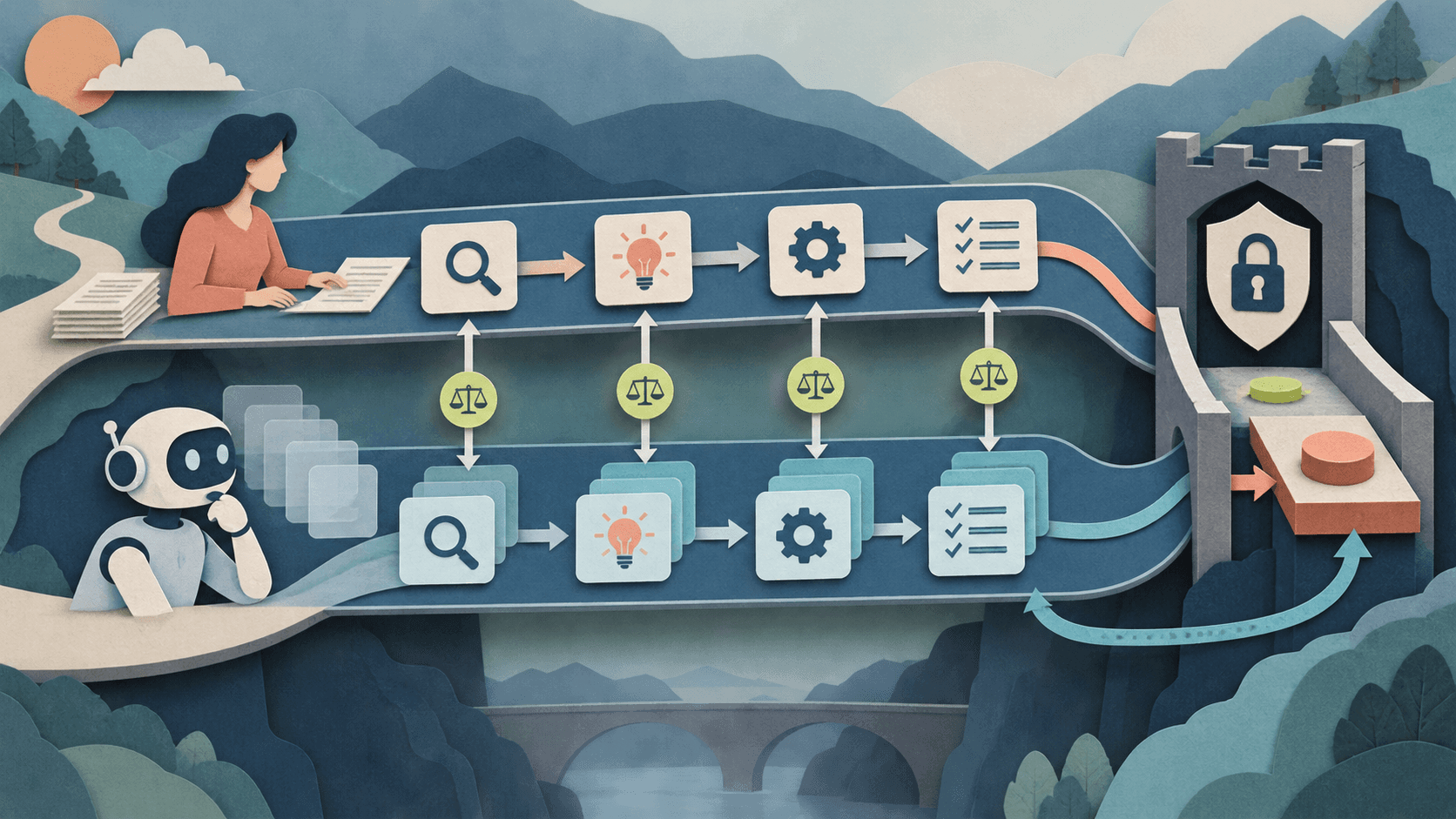
Run AI Agents in Shadow Mode Before You Grant Write Access
Let the agent observe and propose before it can send, change, delete, purchase, or trigger anything.
Shadow mode lets an AI agent receive the same inputs as a live workflow and produce proposed decisions or actions without executing them. Compare those proposals with what authorized humans actually did, score disagreements and missed cases, and grant narrowly scoped write access only after the agent meets predefined quality and safety thresholds across representative traffic.
Read guide
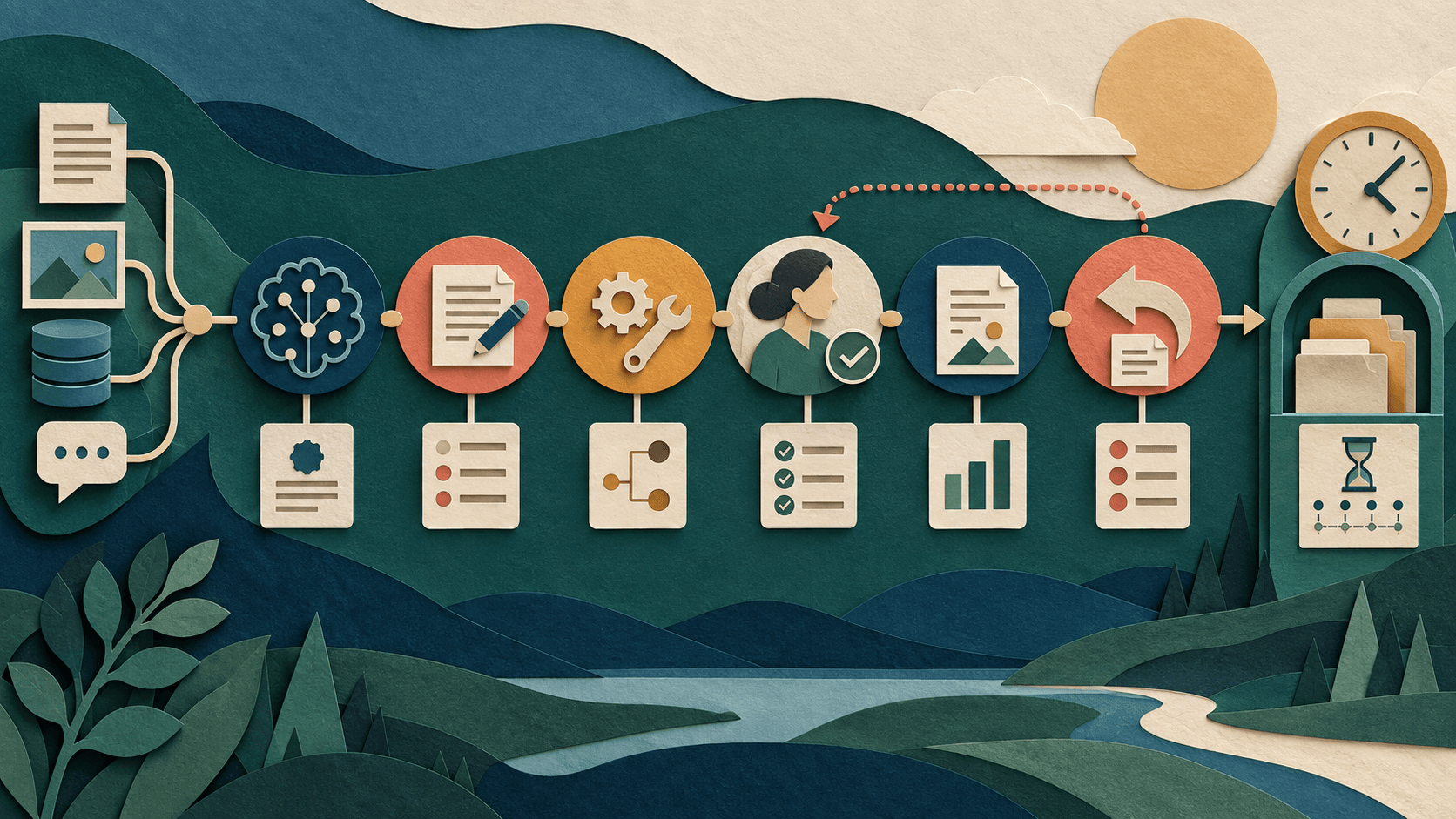
Build an AI Decision Log That Makes Outputs Reproducible
If an important AI-assisted decision cannot be reconstructed, it cannot be audited, improved, or defended reliably.
An AI decision log records enough context to explain and reconstruct an important AI-assisted outcome: case ID, purpose, input references, model and prompt versions, retrieved sources, tool calls, output, uncertainty, policy checks, human reviewer, final action, later outcome, corrections, and retention date. Store references or hashes instead of duplicating sensitive content whenever possible.
Read guide

Google Beam Expands 3D Video Meetings to Six Countries
HP Dimension with Google Beam is moving beyond pilots, but buyers still need to test whether a specialized 3D room produces enough measurable value to justify its footprint and cost.
Google Beam is expanding its headset-free 3D meeting platform to six countries, 18 channel partners, and bookable Industrious locations. The rollout creates a practical trial path for distributed teams, while Google's internal results still need independent validation.
Read guide
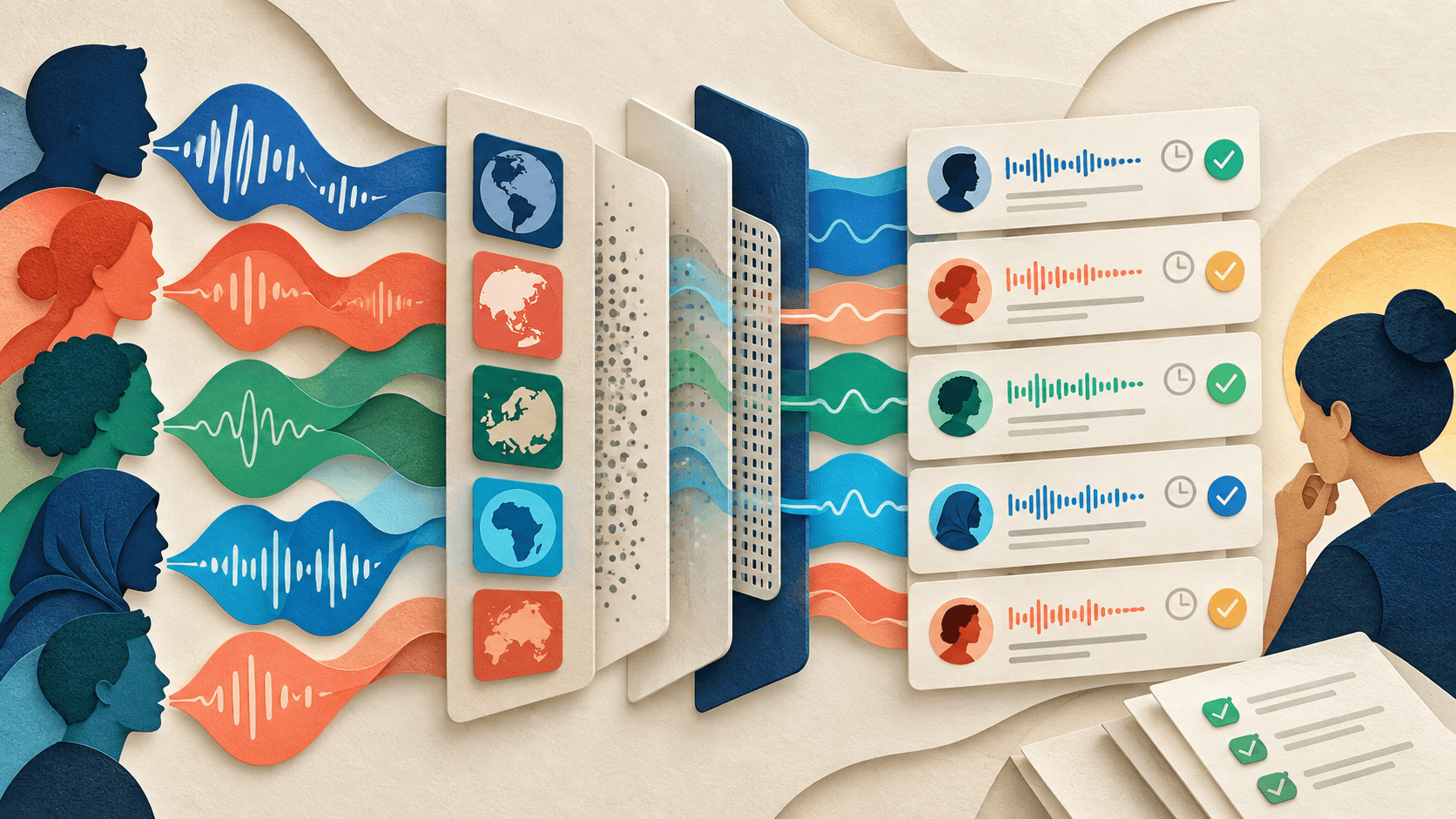
Google Launches Gemini 3.5 Transcribe for Real-Time Voice Apps
Google's dedicated speech-to-text model targets voice agents, captions, and call analytics, but language count and vendor accuracy claims are not substitutes for testing real audio.
Gemini 3.5 Transcribe is a dedicated real-time speech-to-text model for more than 85 languages. It gives developers a new path for voice agents and live captions, while production adoption still depends on domain accuracy, latency, privacy, and cost per accepted transcript.
Read guide

Claude Opus 5.5 Cuts Agent Costs—But Buyers Still Need Their Own Evals
Anthropic says its newest Opus model is faster, clearer, and roughly 40% cheaper on typical work, but internal and partner results are not a production acceptance test.
Anthropic launched Claude Opus 5.5 on September 22, 2026 across Claude, its API, AWS, Google Cloud, and Microsoft Azure. API pricing is $4 per million input tokens and $20 per million output tokens, with cache reads at $0.20. Anthropic says typical token-billed work costs about 40% less than Opus 5 and output is more than 30% faster. Those are useful buying signals, not proof that a specific agent is more reliable or cheaper end to end.
Read guide
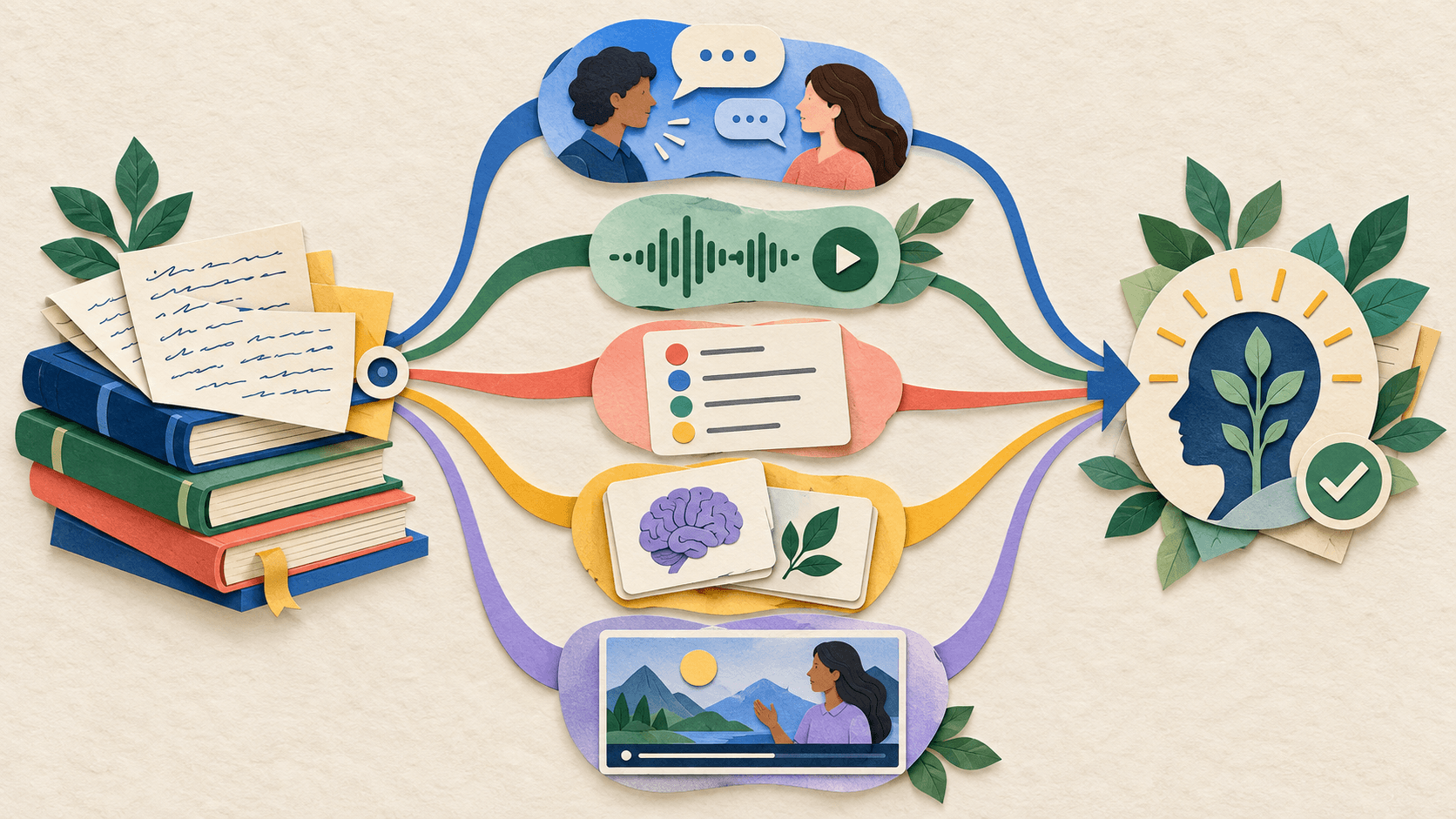
Gemini Notebook Adds Live Study Conversations, Quizzes and Short Videos
The launch turns uploaded course material into a more interactive study environment, but source grounding does not guarantee correct teaching or durable learning.
Google announced new Gemini Notebook study features on September 15, 2026: real-time voice conversations grounded in notebook sources, mobile audio capture, interactive learning overviews, more quiz formats, performance follow-ups, and roughly 60-second Short Video Overviews in more than 80 languages. Rollout timing, age, language, account, and subscription limits differ by feature.
Read guide
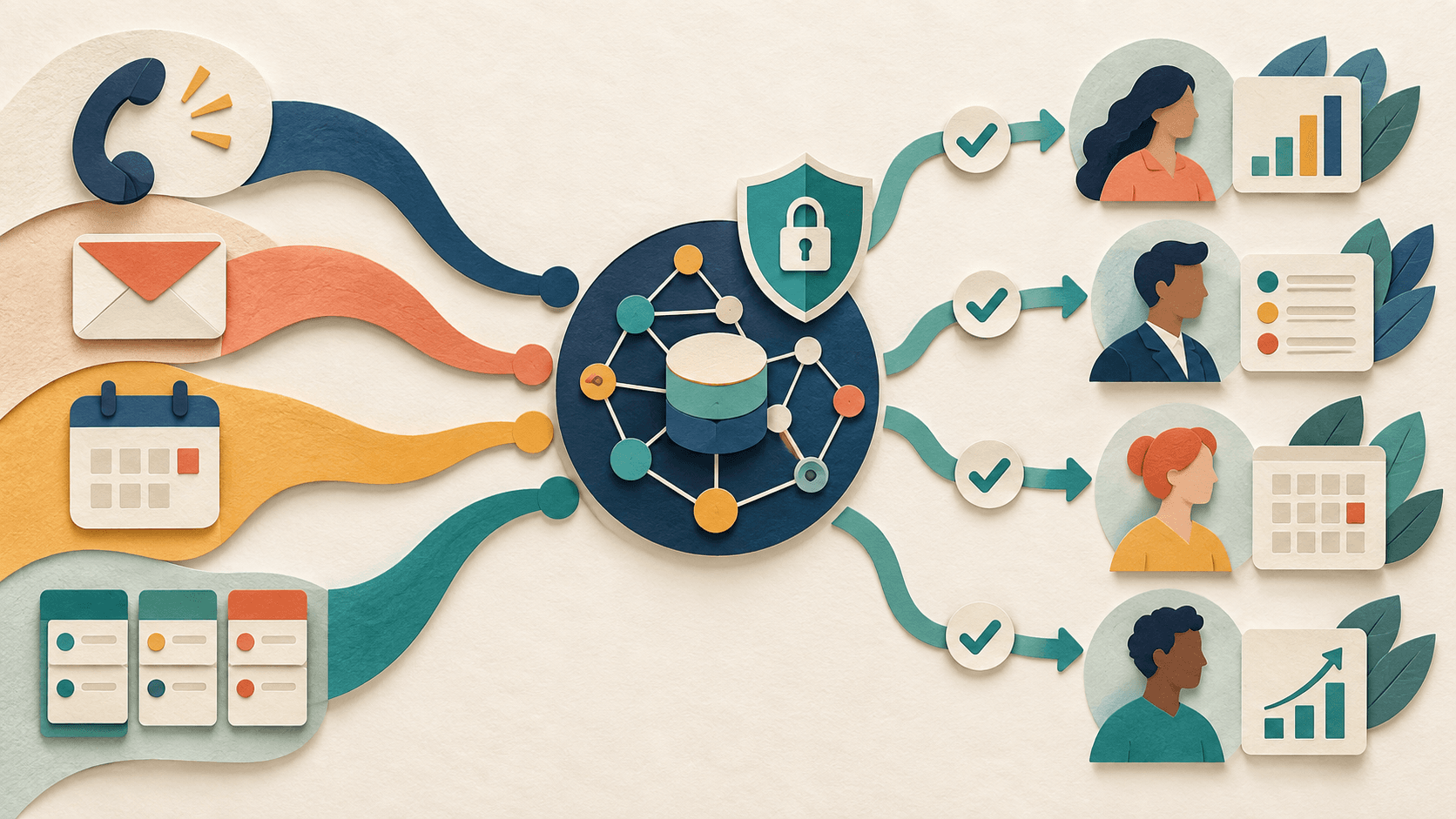
Day AI Review 2026: Company Memory, GTM Agents & Pricing
A research-based review of Day AI's capabilities, economics, data boundaries, and operational fit.
Day AI combines permission-aware company memory with role-based agents that can prepare meetings, draft follow-ups, manage pipeline work, and run scheduled go-to-market tasks.
Read guide

Fellow AI Review 2026: Meeting Notes, Security & Pricing
A research-based review of Fellow's capabilities, economics, data boundaries, and operational fit.
Fellow records, transcribes, summarizes, and searches meetings while adding agendas, action items, consent capture, retention controls, integrations, and organization-wide governance.
Read guide