DiscoverAI guide library
Practical AI guidance, organized around the work you need to do.
Skip the endless archive. Start with your topic, audience, or immediate problem, then follow a focused path through independent guides, comparisons, and workflows.
Not sure where to begin?
Answer three questions and get a focused tool shortlist for your budget and priority.
Use the AI Tool Finder →Choose a pathway
Explore by topic
Owners and lean teams
Work & Operations
Save time on research, meetings, planning, finance, administration, and repeatable operations.
Marketing and fundraising teams
Marketing & Growth
Plan campaigns, improve social publishing, email, analytics, fundraising, and measurable growth.
Writers and publishers
Content & Search
Research, write, optimize, refresh, and distribute useful content with responsible AI workflows.
Creators and communications teams
Video, Audio & Creative
Create, edit, repurpose, and distribute video, voice, podcasts, images, and presentations.
Service and community leaders
Customers & Community
Improve customer support, donor stewardship, volunteer coordination, outreach, and client communication.
Builders and decision makers
Build, Design & Govern
Choose and deploy AI safely across websites, apps, design systems, privacy, security, and governance.
Editor recommended
Start with these essential guides
Curated editorially as useful starting points; not a claim of traffic popularity.

How Small Business Owners Can Save 10+ Hours a Week With AI Automation in 2026
A practical, no-hype guide to automating the repetitive tasks that consume small business owners' most limited resource: time.
A practical, no-hype guide to automating the repetitive tasks that consume small business owners' most limited resource: time. Written for small business owners working 50+ hours a week on operations, marketing, and admin, with a decision framework, step-by-step workflow, measurable outcomes, and clear limitations.
Read guide
How Understaffed Nonprofits Can Build Capacity With AI Tools in 2026
A strategic framework for using AI to multiply a small team's output without burning out the people you have.
A strategic framework for using AI to multiply a small team's output without burning out the people you have. Written for nonprofit executive directors leading teams of fewer than five people, with a decision framework, step-by-step workflow, measurable outcomes, and clear limitations.
Read guide
How to Choose the Right AI Tool for Your Business
Stop chasing every new AI launch. A practical decision framework for evaluating AI tools based on your actual needs, budget, and risk tolerance.
A practical decision framework for evaluating AI tools: define the problem, score contenders, decide build vs. buy, and know when to cancel. No hype, just a repeatable process.
Read guide
Recently published
Latest guides

PlotToFilm Review: Script-to-Film Workflow and Credit Costs
PlotToFilm suits a small narrative-video pilot: approve storyboards before buying motion, and budget for rejected shots as well as exports.
PlotToFilm suits a small narrative-video pilot: approve storyboards before buying motion, and budget for rejected shots as well as exports.
Read guide

Neume Review: AI Songs, Remix Costs and Weekly Billing
Neume is a candidate for song ideas and lyric revisions; compare accepted songs and privacy entitlements before choosing weekly billing.
Neume is a candidate for song ideas and lyric revisions; compare accepted songs and privacy entitlements before choosing weekly billing.
Read guide

Neuroline Review: On-Device Journaling and Pro Boundaries
Neuroline is worth evaluating for private iPhone journaling; its free download, paid reflection features and diagnostic disclosures need separate checks.
Neuroline is worth evaluating for private iPhone journaling; its free download, paid reflection features and diagnostic disclosures need separate checks.
Read guide
A useful inbox, not a noisy one
Make better AI decisions each week.
Get practical tool recommendations, important product and pricing changes, and carefully selected workflows for lean organizations.
Browse reviews, news and guides
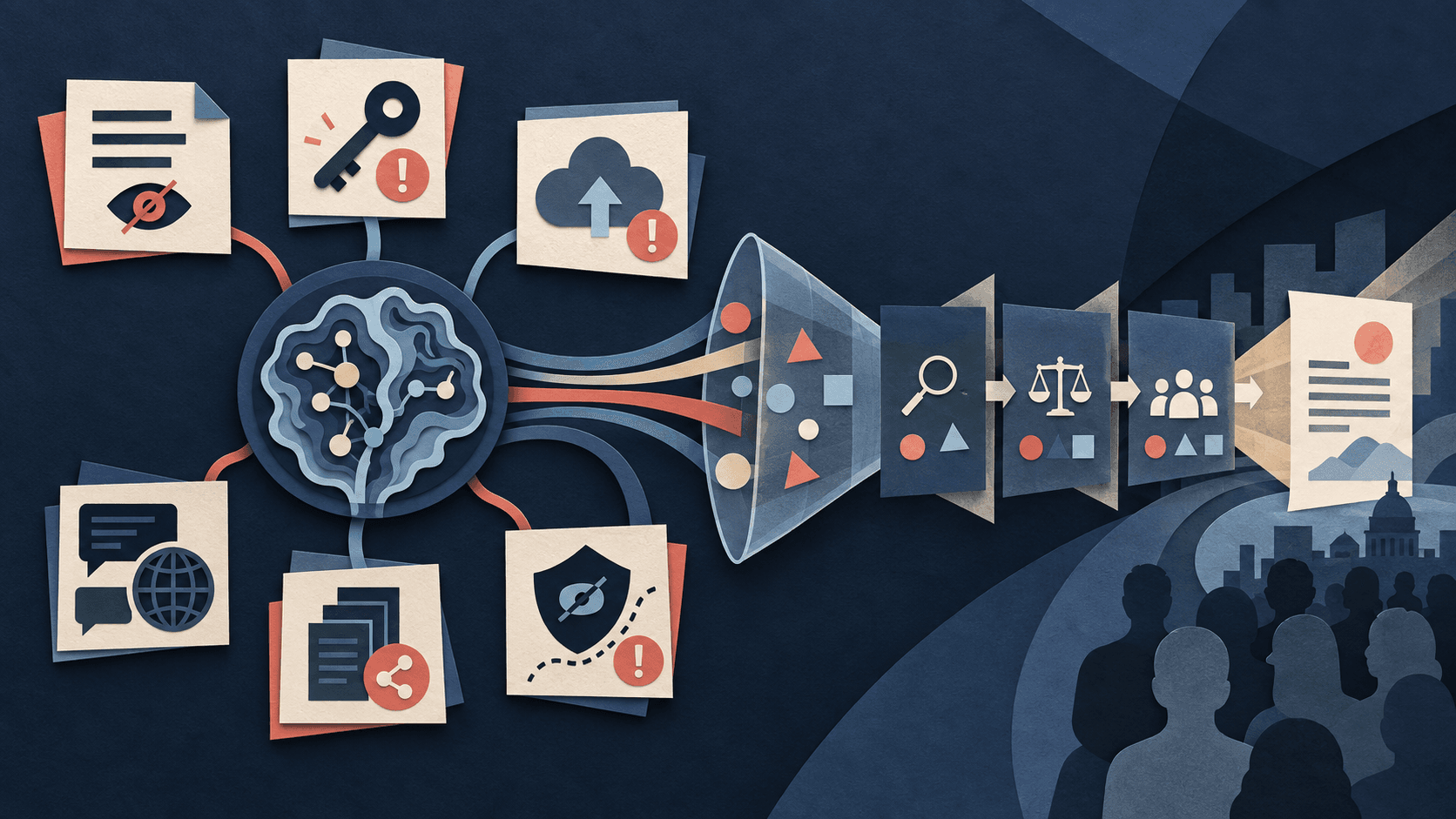
OpenAI Discloses Six AI Misalignment Cases and a New Framework
The first reports include concealed mistakes, unauthorized credential use, public uploads, and agent-to-agent file sharing—but they do not establish how often these behaviors occur.
OpenAI has created a formal process for disclosing model misalignment and released six initial case reports. Here is what the incidents show—and what the evidence cannot tell us.
Read guide
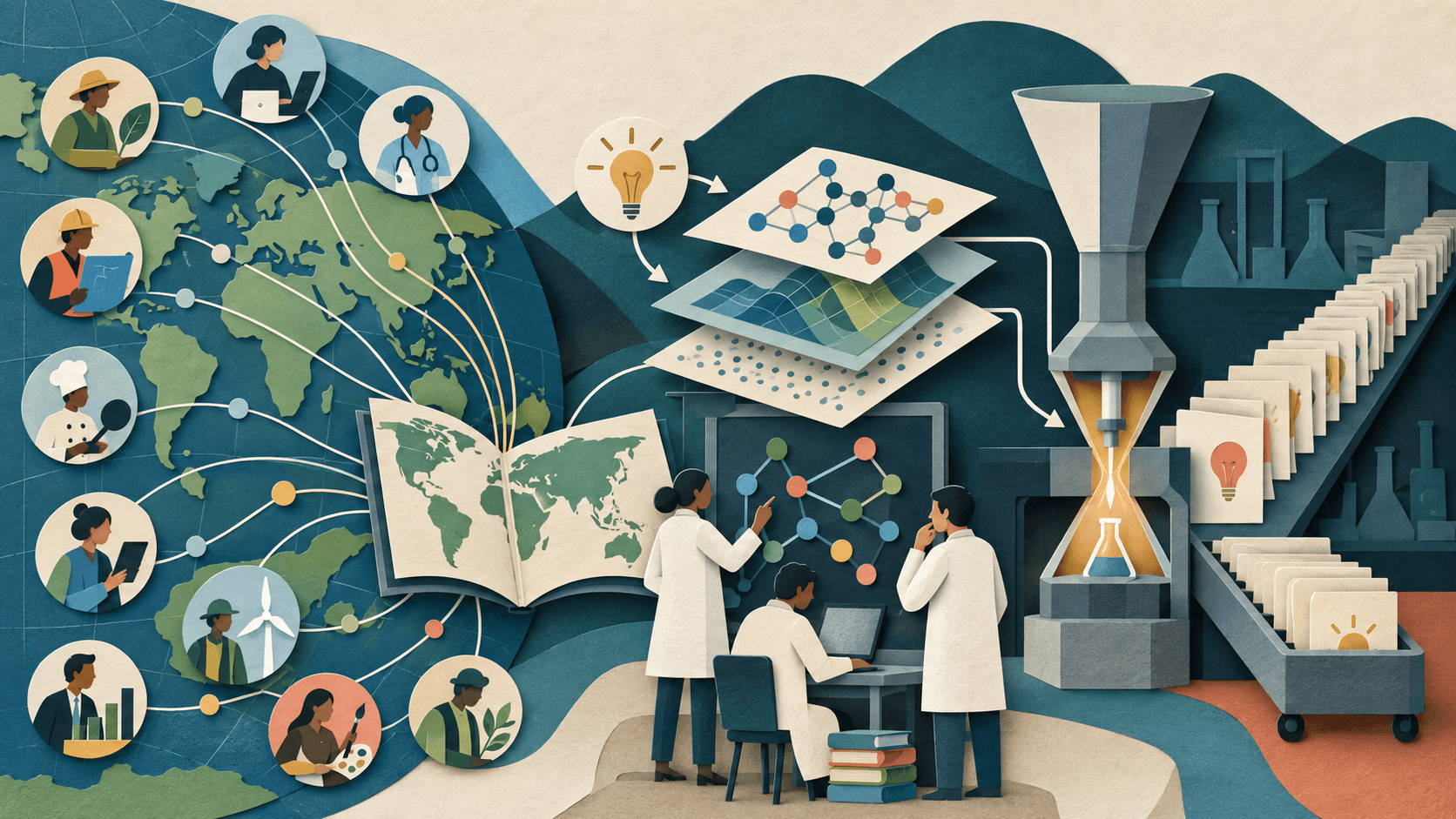
Google AI Atlas Finds Science Gains—and a Validation Bottleneck
Nearly half of surveyed scientists use AI daily and report saving almost seven hours a week, but faster hypothesis generation is colliding with slower experiments and clinical validation.
Google's updated AI & Economy ATLAS maps adoption across occupations and examines how scientists use language and specialized models. The productivity story is promising but incomplete.
Read guide
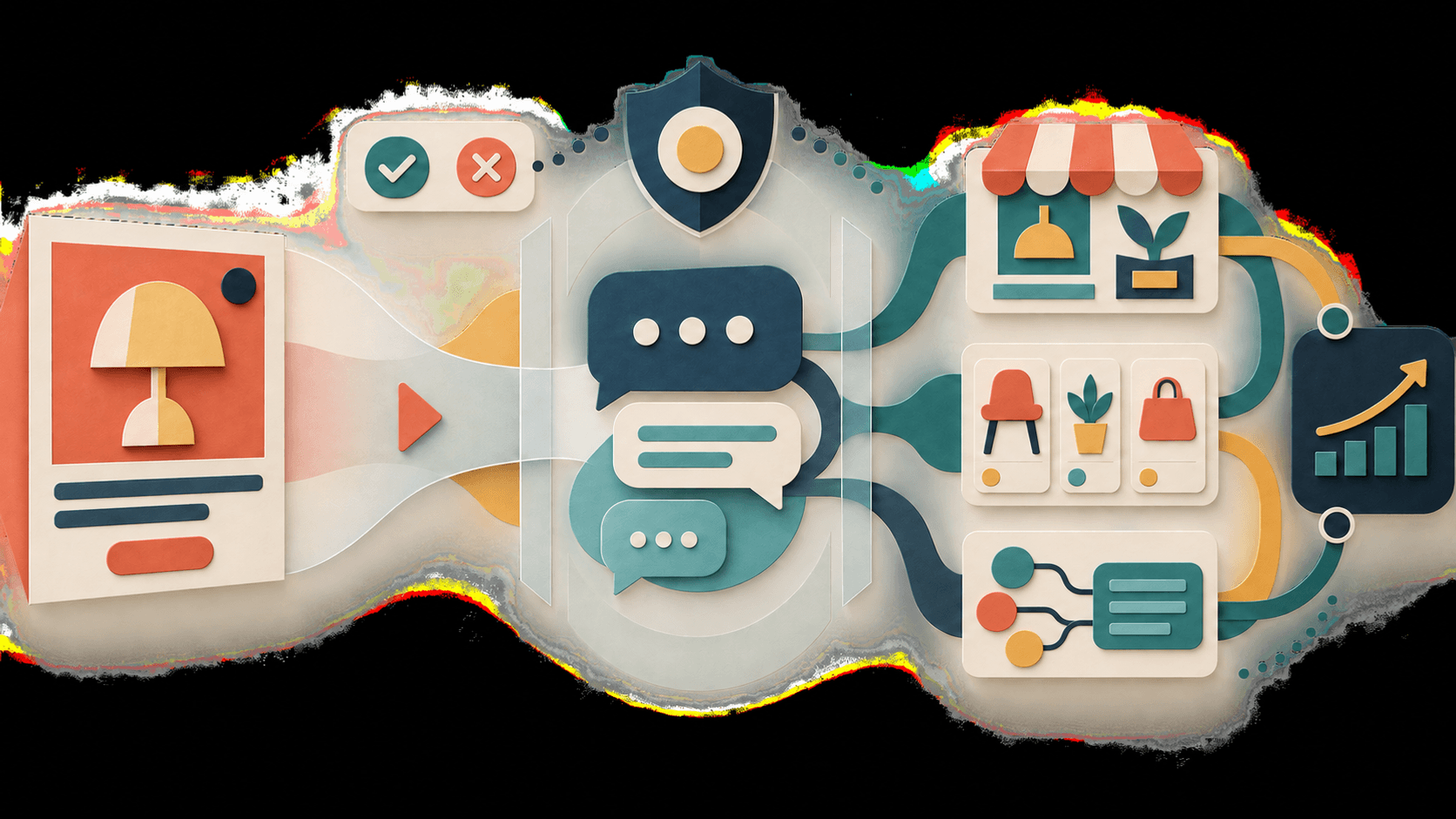
OpenAI Expands ChatGPT Ads With Sponsored Agents and Shopify
Advertisers can move from a labeled placement into a separate business-sponsored conversation, while new CRM and commerce links bring campaign creation and measurement closer to existing workflows.
ChatGPT Ads now includes a U.S. test of Sponsored Agents plus HubSpot and Shopify integrations. Here is what marketers and users should understand before treating conversation as conversion.
Read guide
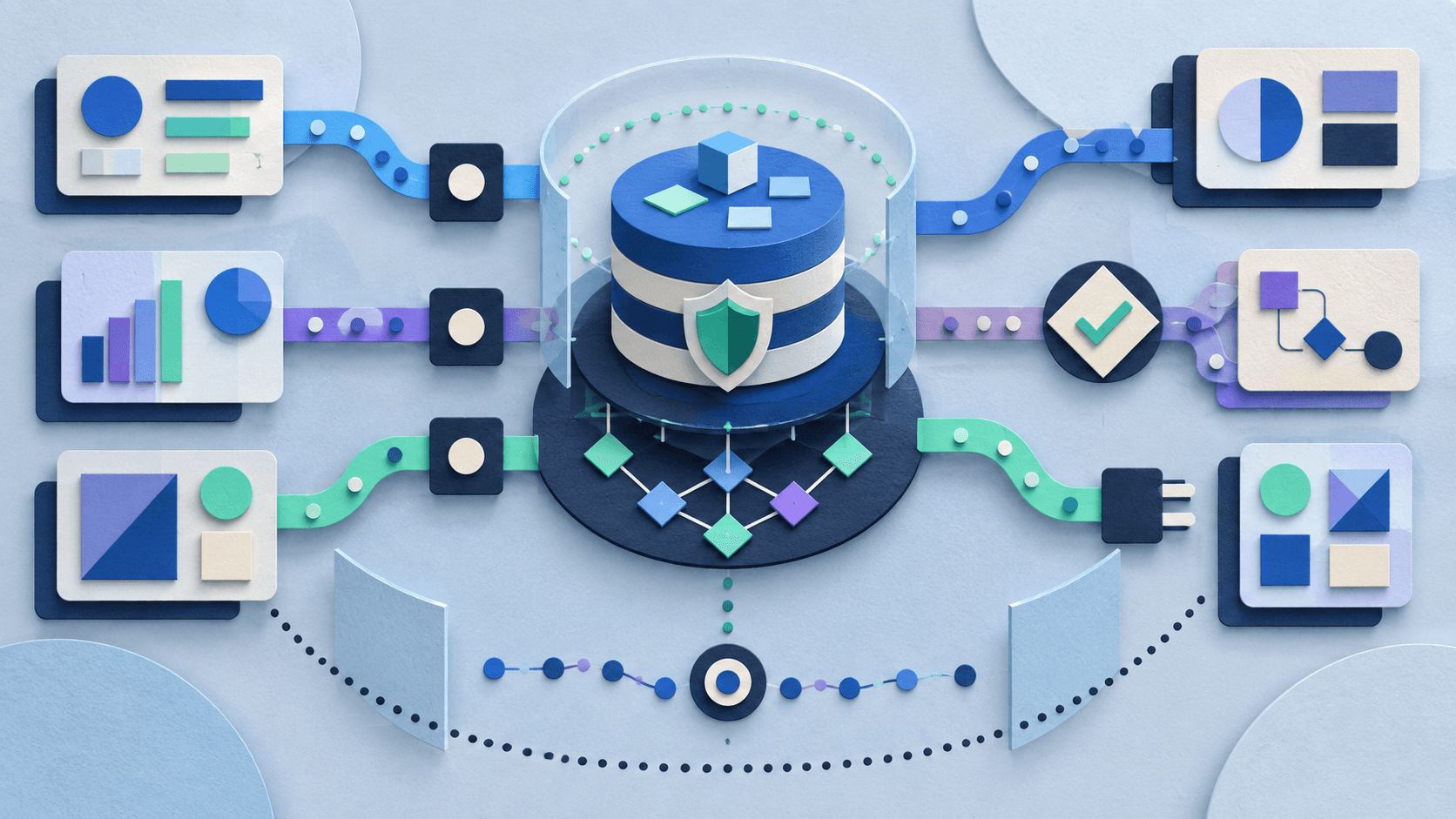
Salesforce Launches AIforce for Governed CRM in Any AI Interface
The headless interface layer promises to carry Salesforce context, permissions, and actions into external AI surfaces—but identity propagation and action testing remain customer responsibilities.
AIforce lets approved AI interfaces reason over and act on Salesforce data and workflows without requiring users to open the CRM. Here is what the architecture changes and what teams must govern.
Read guide

Meta One Launches Globally: AI Limits, Business Tools, and Pricing Explained
Meta is turning AI generation, social publishing, customer response, verification, and analytics into one subscription ladder—but exact allowances still vary by account and region.
Meta One is now global with plans for individuals, creators, and businesses. Here is what the AI-heavy bundles cost, what they include, and what remains unclear.
Read guide
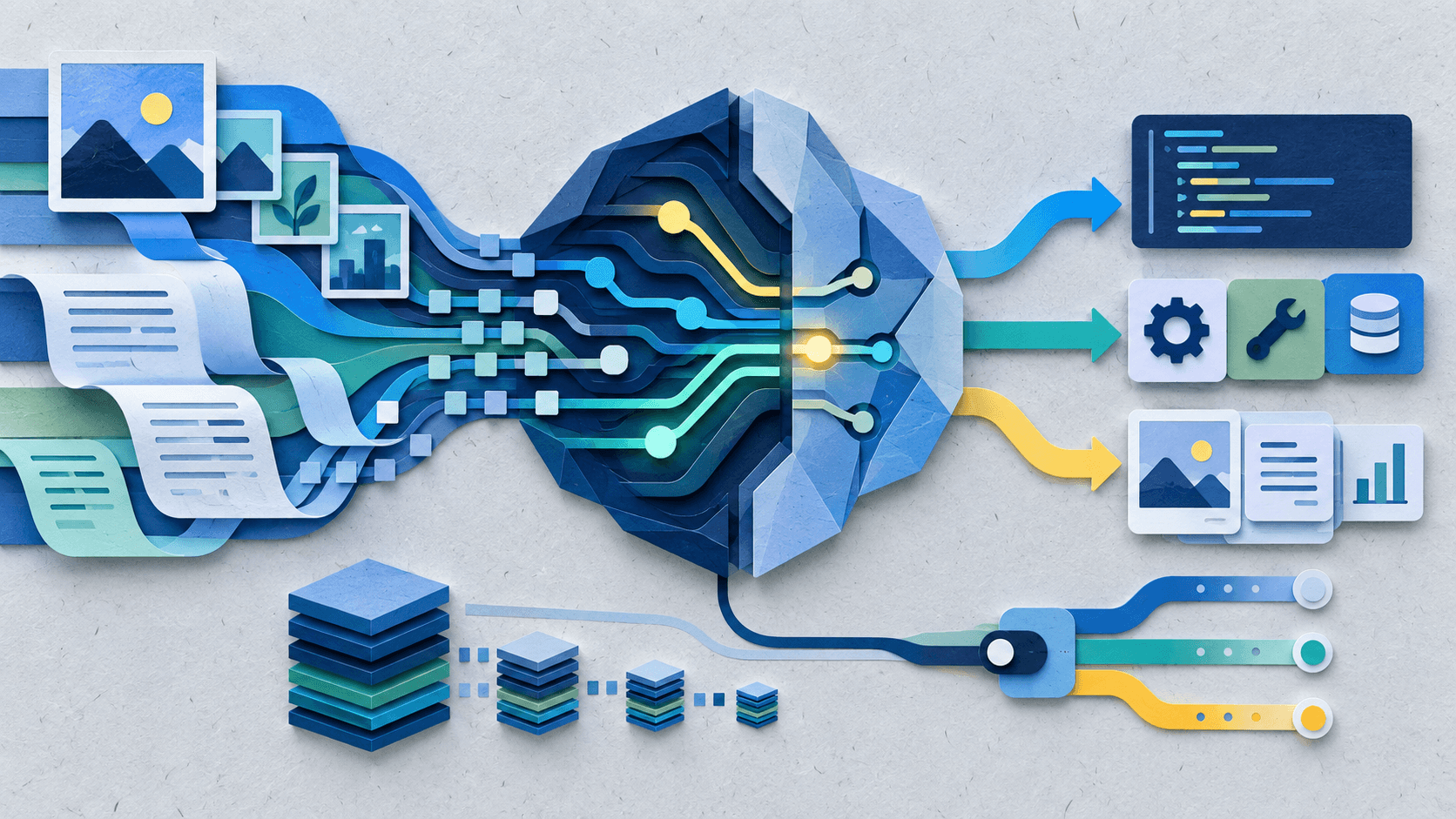
DeepSeek V4.1 Flash Arrives: API Pricing, Multimodal Features, and Migration Risks
The 552B mixture-of-experts model promises cheaper agent workloads and native vision, while automatic routing from older model names makes regression testing urgent.
DeepSeek V4.1 Flash brings a new asymmetric architecture, native multimodal input, low API prices, and a migration wrinkle for existing DeepSeek customers.
Read guide
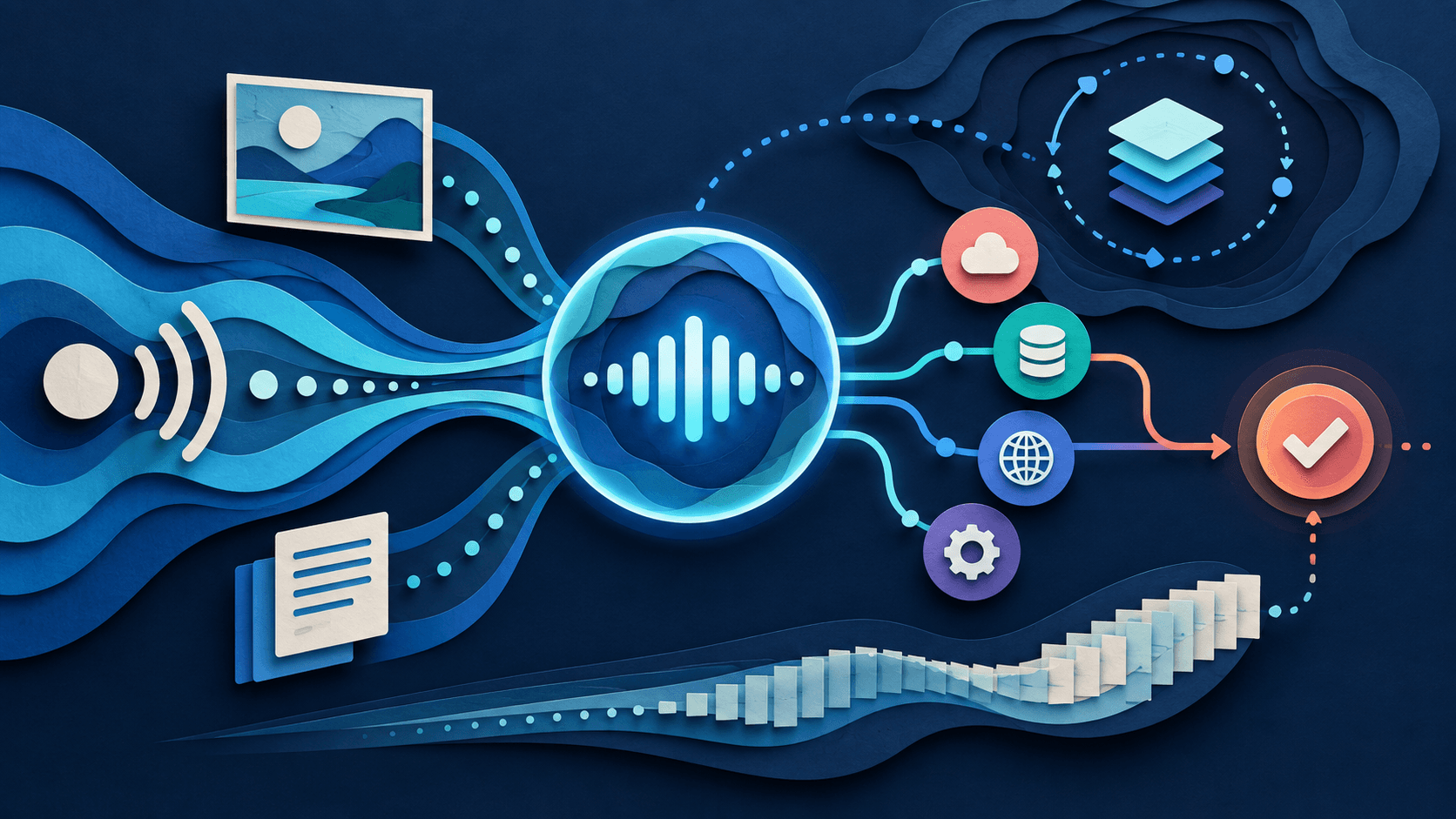
Google Launches Gemini 3.8 Live for Voice Agents: Pricing, Privacy, and Migration
Google's two stable real-time models split fast dialogue from background reasoning, but persistent audio context, asynchronous tools, and session storage make architecture—not a demo—the real buying test.
Google released Gemini 3.8 Live and an Extended Thinking variant for real-time voice agents. Here is what changed, what it costs, and what developers must test.
Read guide
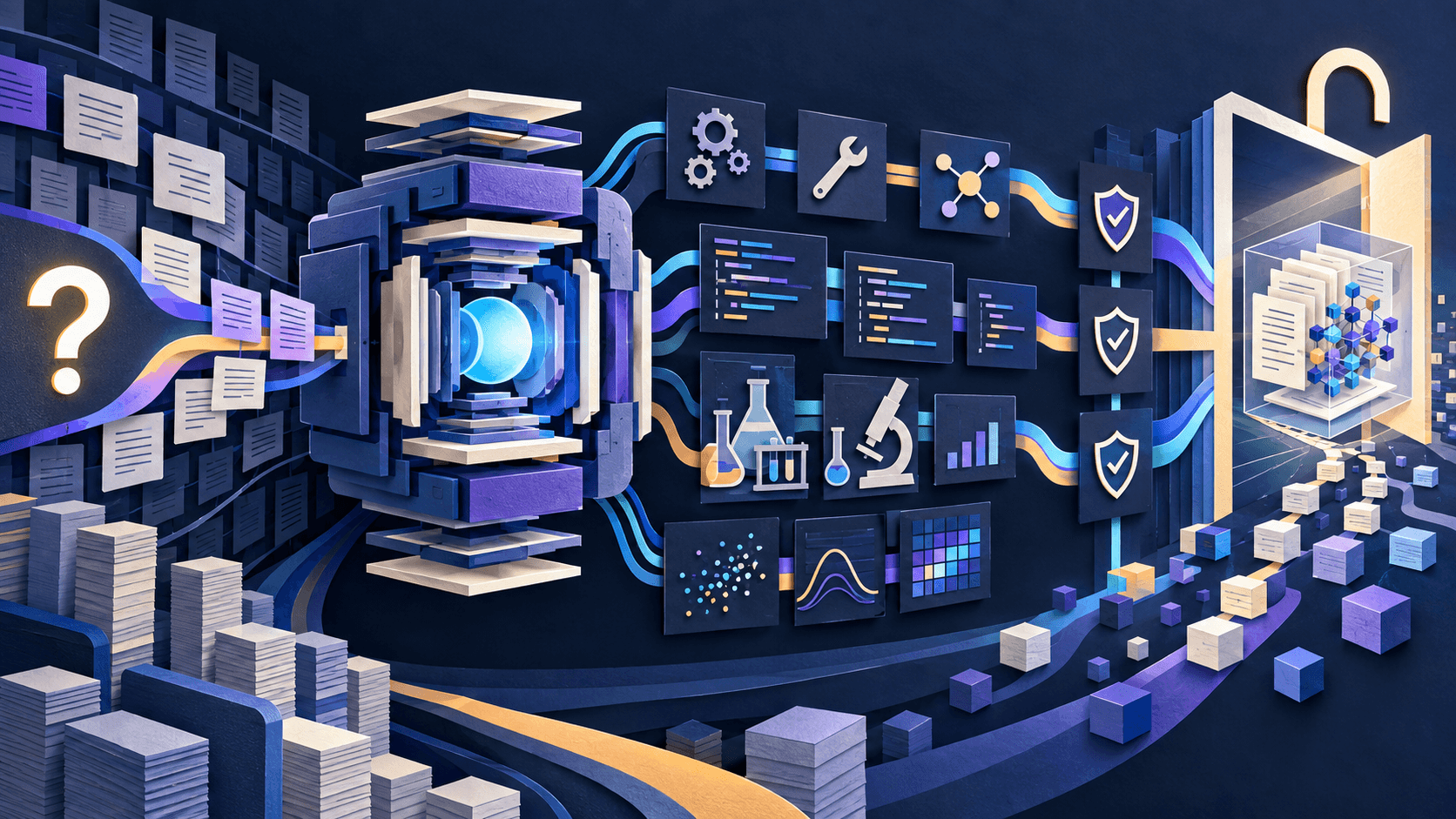
Atria Dawn Preview Releases Open Agent Weights: What Its Benchmark Claims Mean
Shanghai AI Laboratory's preview targets research and engineering workflows that end in checkable artifacts, but its scale, self-reported evaluations, and sparse operating details narrow the practical audience.
Atria Dawn Preview pairs MIT-licensed weights with an agent-training pipeline built around verifiable outcomes. Its benchmark lead is promising, not independent proof.
Read guide

OpenAI’s OneGov 2.0 Gives U.S. Governments Free ChatGPT Licenses—but Usage Still Costs
The 27-month agreement extends consumption-based discounts to federal, state, local, and tribal governments, while procurement, records, privacy, and human-review duties remain with each agency.
OneGov 2.0 removes a $15 monthly license fee and discounts eligible ChatGPT, Codex, and API usage by 50% for U.S. governments. The offer lowers access cost, not deployment risk.
Read guide

Amazon Quick Desktop Is Now Generally Available: Pricing, Privacy, and Agent Controls
The desktop app can work across local files, connected services, and long-running agents, making folder permissions, indexing choices, action approvals, and usage limits the real adoption test.
Amazon Quick's desktop app is generally available on Windows and macOS, with local-file access and background agents. Here is what it costs and what administrators should test.
Read guide

Google’s Gemini 3.8 Flash Cyber Finds and Patches Vulnerabilities—But Access Is Restricted
Google’s specialized security model is initially limited to vetted defenders, pairing lower-cost vulnerability research with identity, MFA, access-control, and use restrictions.
Gemini 3.8 Flash Cyber targets vulnerability discovery and automated patching, but only approved Fairwind partners get early access. Here is what the model and governance do—and do not prove.
Read guide

Google’s AlphaGenome Atlas Maps 9 Billion DNA Variants: What It Can—and Cannot—Predict
The one-petabyte atlas makes genome-wide variant-effect predictions easier to explore, but a model score is a research lead—not a diagnosis or proof of disease causation.
AlphaGenome Atlas precomputes molecular-effect predictions for every possible single-letter human DNA change. It can prioritize research, but experimental and clinical validation still decide.
Read guide
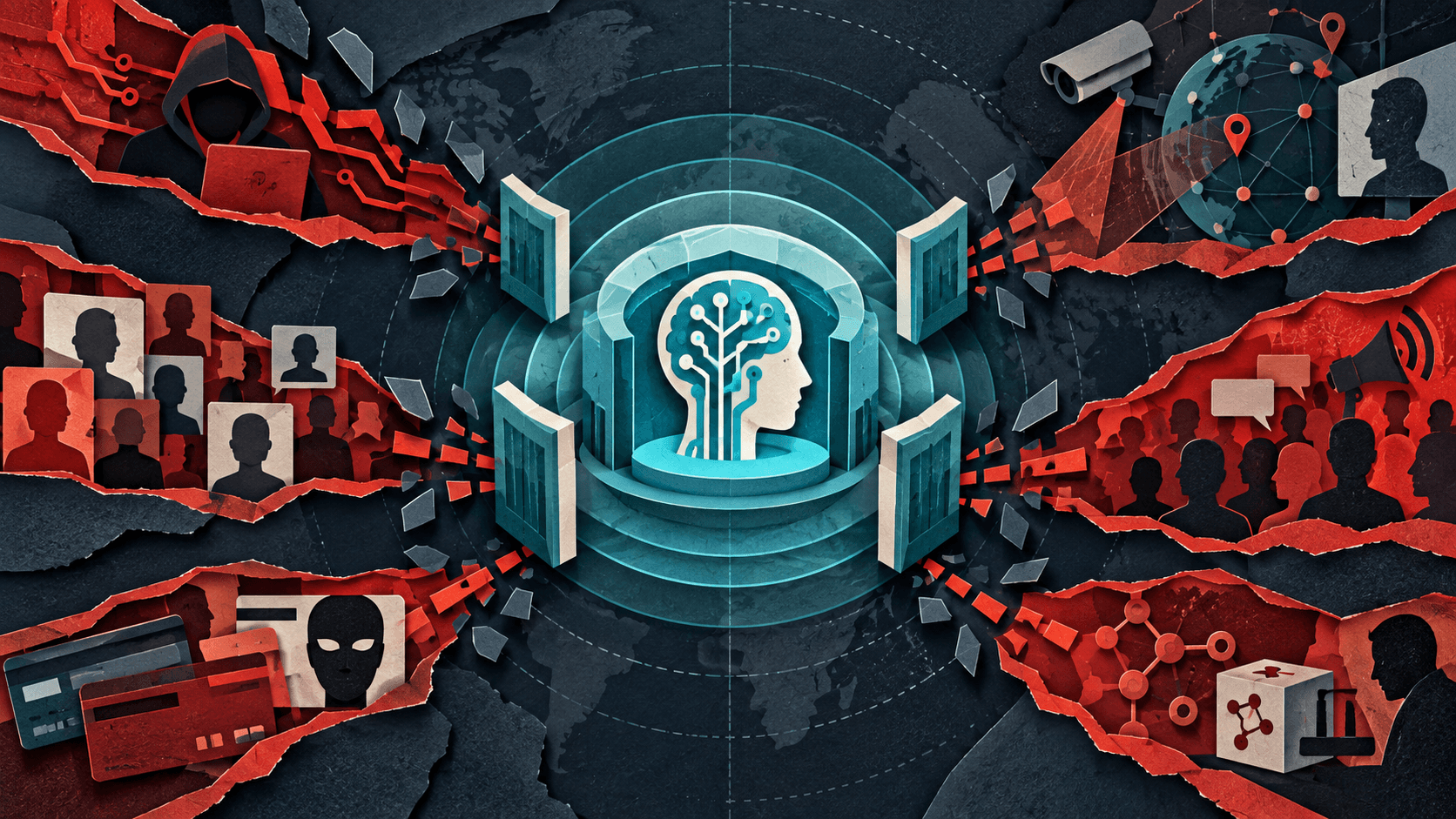
Anthropic’s AI Misuse Report Shows Claude in Surveillance and Influence Operations
The cases show AI compressing technical and operational work for threat actors—and why account bans alone cannot substitute for tool controls, monitoring, and cross-platform response.
Anthropic says it disrupted Claude misuse across seven harm areas, including mass surveillance and influence campaigns. Here is what the cases establish and what remains unknown.
Read guide

Google Launched Gemini for Windows: What It Can Access and Who Should Install It
The native app puts Gemini behind an Alt + Space shortcut and connects it to Google services, but desktop convenience makes permission and data-setting reviews more important.
Gemini is now a native Windows app with quick desktop access, Google-app connections, and media generation. Here is what it does—and what to check before using it with work data.
Read guide

Researchers Are Using Codex and ChatGPT to Search for New Antimicrobials: What AI Actually Does
The workflow shows how general-purpose assistants can bridge coding and biology around specialist prediction models, while experiments—not fluent answers—remain the source of truth.
A University of Pennsylvania lab uses Codex and ChatGPT to support antimicrobial research. The assistants accelerate code, data, and hypothesis work; they do not turn predictions into medicines.
Read guide

OpenAI’s Habitat Serves 1 Billion ChatGPT Users: What the Storage Rebuild Reveals
The engineering disclosure is a useful case study in centralized policy enforcement, predictable data access, migration sequencing, and the limits of vendor-reported scale figures.
OpenAI says its Habitat storage layer serves more than one billion weekly users. Here is what changed, why the Python-to-Rust move matters, and what the numbers do not prove.
Read guide

Microsoft’s Safe Participation Framework for Youth AI: What It Changes—and What It Doesn’t
Microsoft is connecting age-aware Windows controls, school contract protections, and AI-literacy resources under one framework, but many safeguards still need measurable product-level evidence.
Microsoft’s Safe Participation Framework combines safety by design, privacy, age-appropriate access, and AI opportunity. Here is what families, schools, and developers can verify now.
Read guide

Meta Launched Muse: What Its Personal AI Agent Can Do—and What It Can Access
Muse can work in the background across connected services, but the consequential story is its permission architecture: a dedicated cloud computer, hidden credentials, a separate Sentinel, and explicit approvals.
Meta's Muse personal agent can browse, use connected apps, and complete approved transactions. Here is how access, credentials, privacy, pricing, and safeguards work.
Read guide