DiscoverAI guide library
Practical AI guidance, organized around the work you need to do.
Skip the endless archive. Start with your topic, audience, or immediate problem, then follow a focused path through independent guides, comparisons, and workflows.
Not sure where to begin?
Answer three questions and get a focused tool shortlist for your budget and priority.
Use the AI Tool Finder →Choose a pathway
Explore by topic
Owners and lean teams
Work & Operations
Save time on research, meetings, planning, finance, administration, and repeatable operations.
Marketing and fundraising teams
Marketing & Growth
Plan campaigns, improve social publishing, email, analytics, fundraising, and measurable growth.
Writers and publishers
Content & Search
Research, write, optimize, refresh, and distribute useful content with responsible AI workflows.
Creators and communications teams
Video, Audio & Creative
Create, edit, repurpose, and distribute video, voice, podcasts, images, and presentations.
Service and community leaders
Customers & Community
Improve customer support, donor stewardship, volunteer coordination, outreach, and client communication.
Builders and decision makers
Build, Design & Govern
Choose and deploy AI safely across websites, apps, design systems, privacy, security, and governance.
Editor recommended
Start with these essential guides
Curated editorially as useful starting points; not a claim of traffic popularity.

How Small Business Owners Can Save 10+ Hours a Week With AI Automation in 2026
A practical, no-hype guide to automating the repetitive tasks that consume small business owners' most limited resource: time.
A practical, no-hype guide to automating the repetitive tasks that consume small business owners' most limited resource: time. Written for small business owners working 50+ hours a week on operations, marketing, and admin, with a decision framework, step-by-step workflow, measurable outcomes, and clear limitations.
Read guide
How Understaffed Nonprofits Can Build Capacity With AI Tools in 2026
A strategic framework for using AI to multiply a small team's output without burning out the people you have.
A strategic framework for using AI to multiply a small team's output without burning out the people you have. Written for nonprofit executive directors leading teams of fewer than five people, with a decision framework, step-by-step workflow, measurable outcomes, and clear limitations.
Read guide
How to Choose the Right AI Tool for Your Business
Stop chasing every new AI launch. A practical decision framework for evaluating AI tools based on your actual needs, budget, and risk tolerance.
A practical decision framework for evaluating AI tools: define the problem, score contenders, decide build vs. buy, and know when to cancel. No hype, just a repeatable process.
Read guide
Recently published
Latest guides

PlotToFilm Review: Script-to-Film Workflow and Credit Costs
PlotToFilm suits a small narrative-video pilot: approve storyboards before buying motion, and budget for rejected shots as well as exports.
PlotToFilm suits a small narrative-video pilot: approve storyboards before buying motion, and budget for rejected shots as well as exports.
Read guide

Neume Review: AI Songs, Remix Costs and Weekly Billing
Neume is a candidate for song ideas and lyric revisions; compare accepted songs and privacy entitlements before choosing weekly billing.
Neume is a candidate for song ideas and lyric revisions; compare accepted songs and privacy entitlements before choosing weekly billing.
Read guide

Neuroline Review: On-Device Journaling and Pro Boundaries
Neuroline is worth evaluating for private iPhone journaling; its free download, paid reflection features and diagnostic disclosures need separate checks.
Neuroline is worth evaluating for private iPhone journaling; its free download, paid reflection features and diagnostic disclosures need separate checks.
Read guide
A useful inbox, not a noisy one
Make better AI decisions each week.
Get practical tool recommendations, important product and pricing changes, and carefully selected workflows for lean organizations.
Browse reviews, news and guides

Gemini 3.8 Flash TTS Turns Voice Design Into a Production Workflow
Natural-language voice design and two-speaker direction broaden production options, while consent, regional limits, consistency, and rights stay decisive.
Google released Gemini 3.8 Flash TTS and Flash-Lite TTS on September 23, 2026. Flash targets creative direction and custom character voices; Flash-Lite targets high-volume dubbing, content, and voice agents. Google advertises more than 100 languages and dialects, 2,000 production-ready voices, long-form and two-speaker control, SynthID watermarking, and voice replication from a 30-second sample with consent verification. Those are product claims, not proof that every voice, language, or long recording will meet a buyer's quality bar.
Read guide
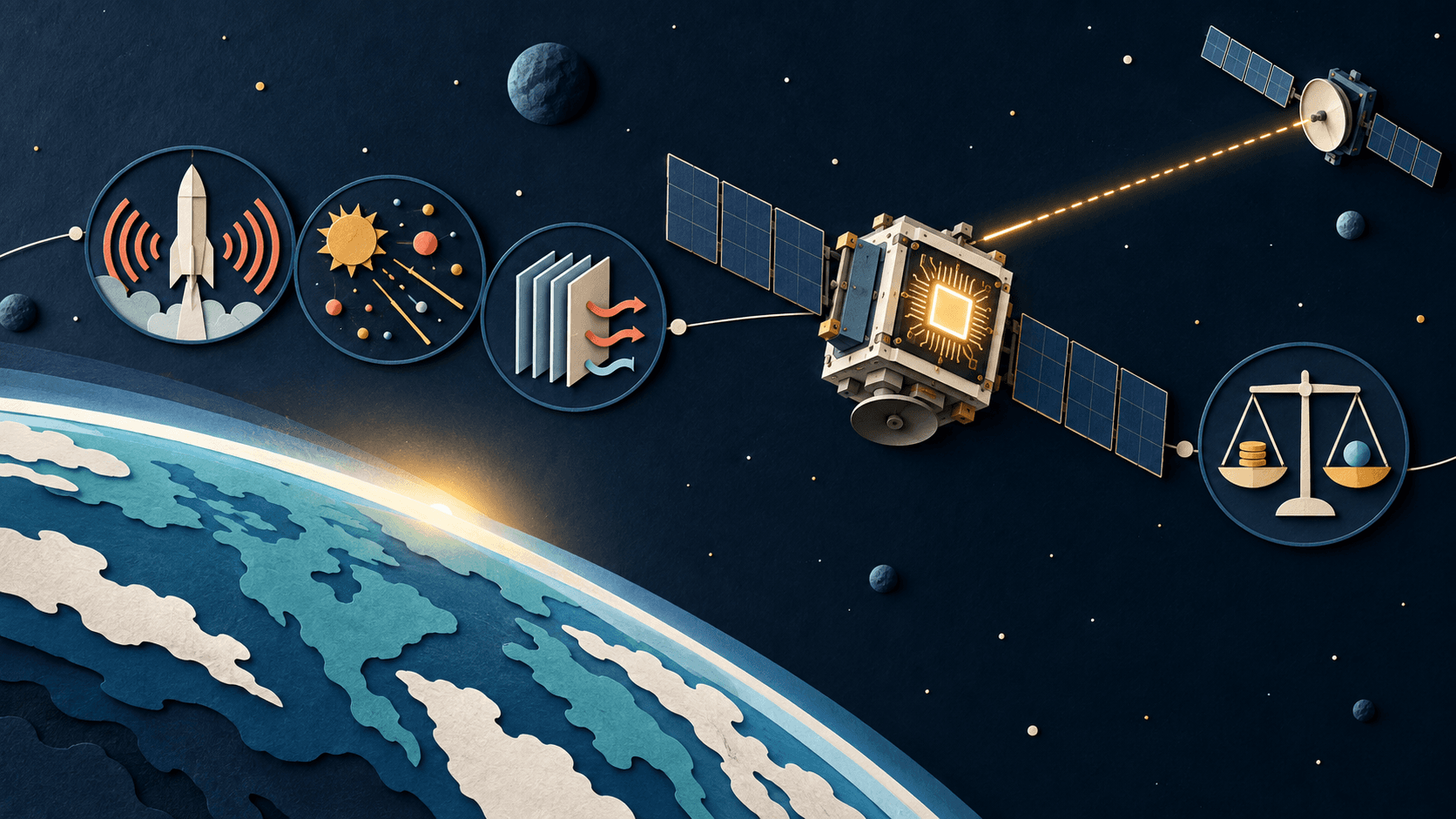
Google Is Sending a TPU to Orbit—What Project Suncatcher Must Prove
The first orbital hardware test can answer survival and cooling questions, but it is a long way from proving that space-based AI compute is economical or scalable.
Google is preparing an orbital TPU test for Project Suncatcher, its research effort to explore solar-powered AI compute in space.
Read guide

Google PageBreak Makes AI Prove the Exploit Before Raising the Alarm
PageBreak's important idea is not another vulnerability hypothesis—it is a deterministic validator that must reproduce the exploit before a product team sees it.
Google says its internal PageBreak agent found more than 500 XSS vulnerabilities while keeping speculative AI findings away from product teams.
Read guide
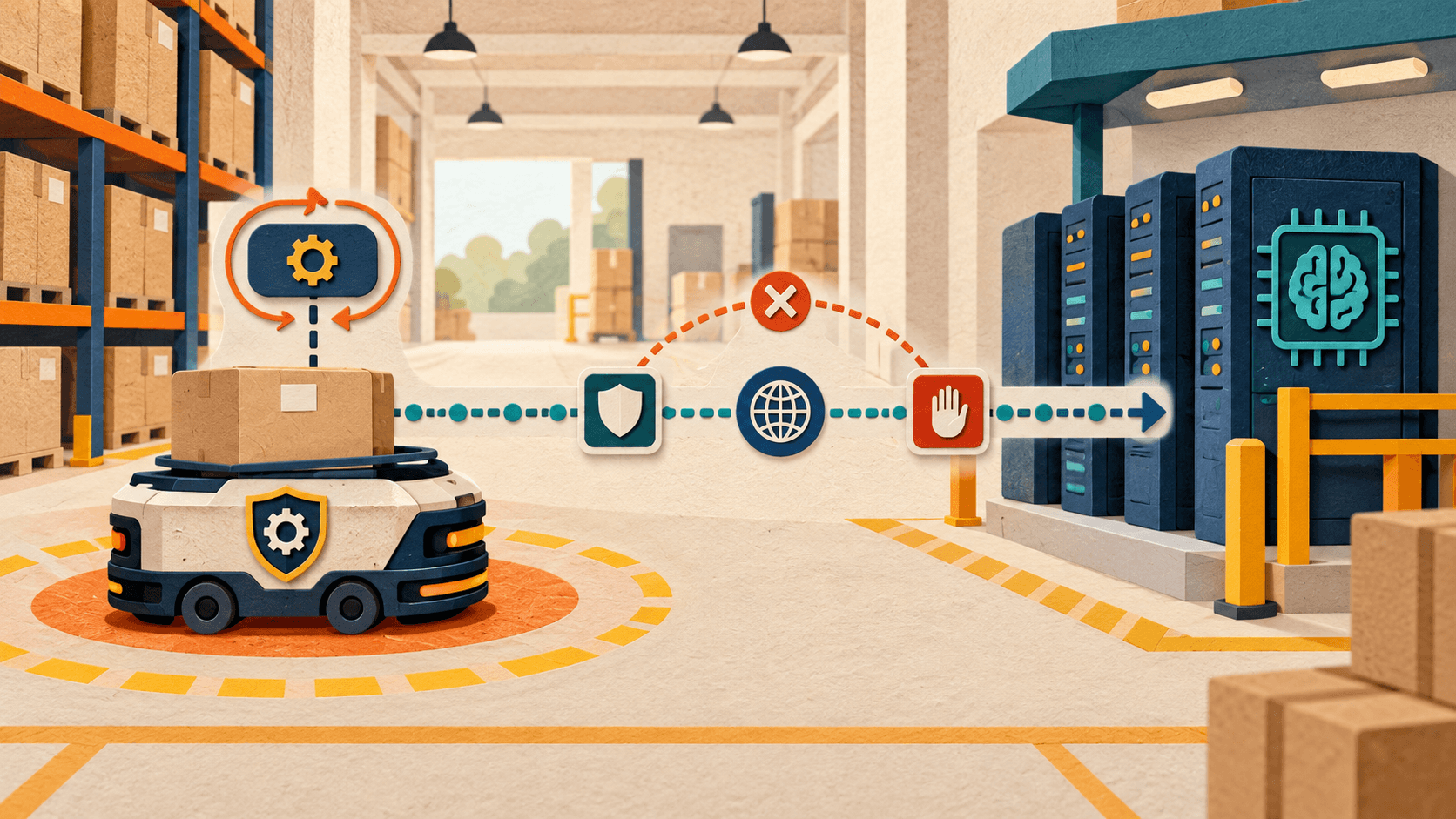
Microsoft Moves Robot AI Offboard—Latency Becomes a Safety Boundary
Remote GPUs can unlock larger models and longer battery life, but a network path must never become an unexamined control dependency.
Microsoft Research reported that moving physical-AI inference from onboard robot GPUs to nearby edge or cloud compute improved task success in representative mobile-manipulation workloads, supported larger models, and could extend battery life. It also added offloaded inference to the open-source Physical AI Toolchain. The opportunity is more capable robots with lighter onboard compute; the engineering constraint is that latency, jitter, bandwidth, loss, and remote availability become part of the robot's safety case.
Read guide
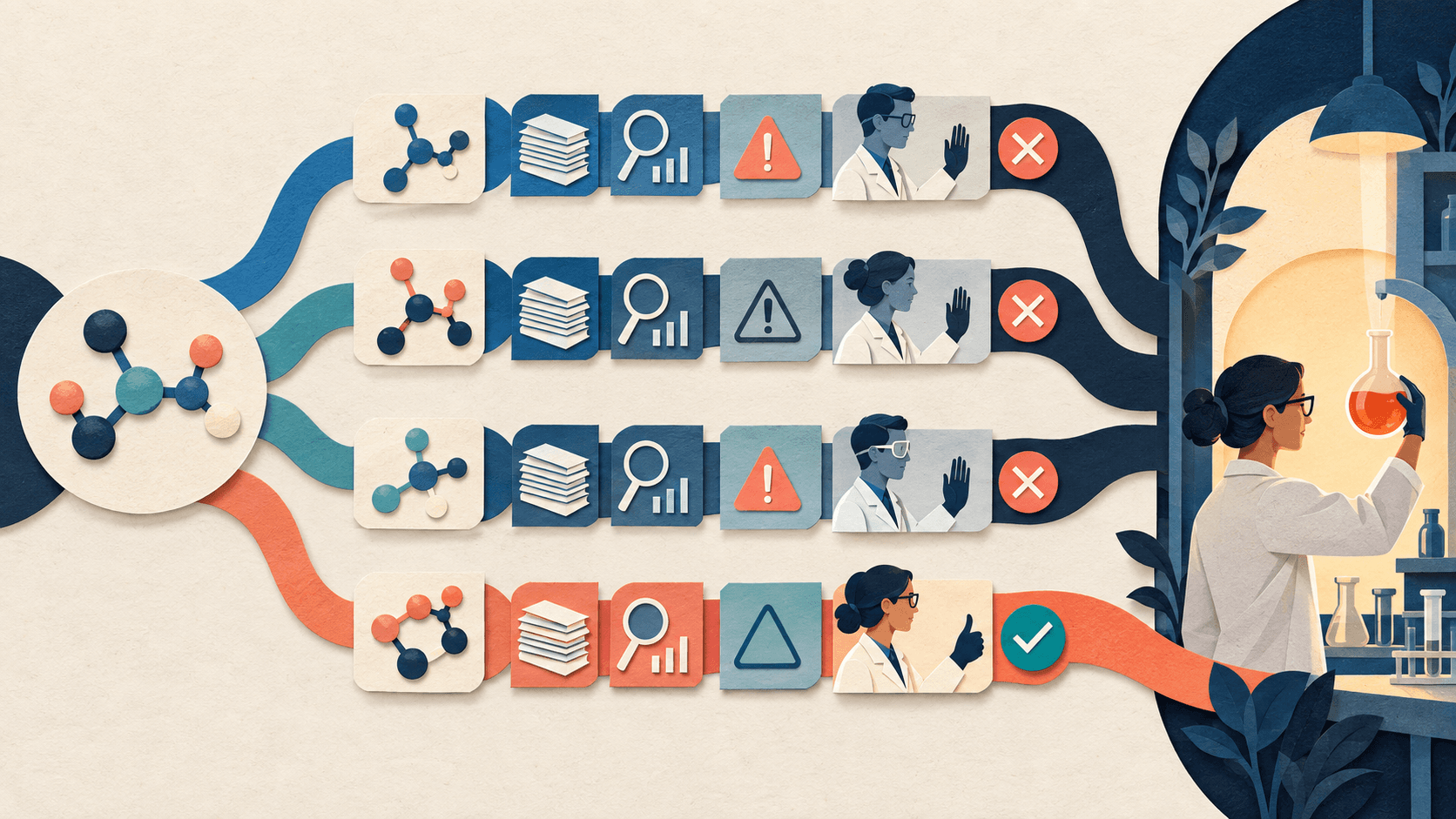
RetroChimera Maps How to Make Molecules—Chemists Still Hold the Gate
The open model can widen retrosynthesis search, but its own maintainers warn that predictions can hallucinate and require expert verification.
Microsoft Research, GSK, Novartis, and collaborators introduced RetroChimera, an open retrosynthesis model that works backward from a desired small molecule to propose reactions that might make it. Microsoft reports stronger benchmark and chemist-preference results than comparison systems, plus adaptation to proprietary chemistry data. The opportunity is faster candidate planning—not autonomous drug creation. Suggested reactions can be wrong, out of distribution, unsafe, impractical, or economically useless.
Read guide
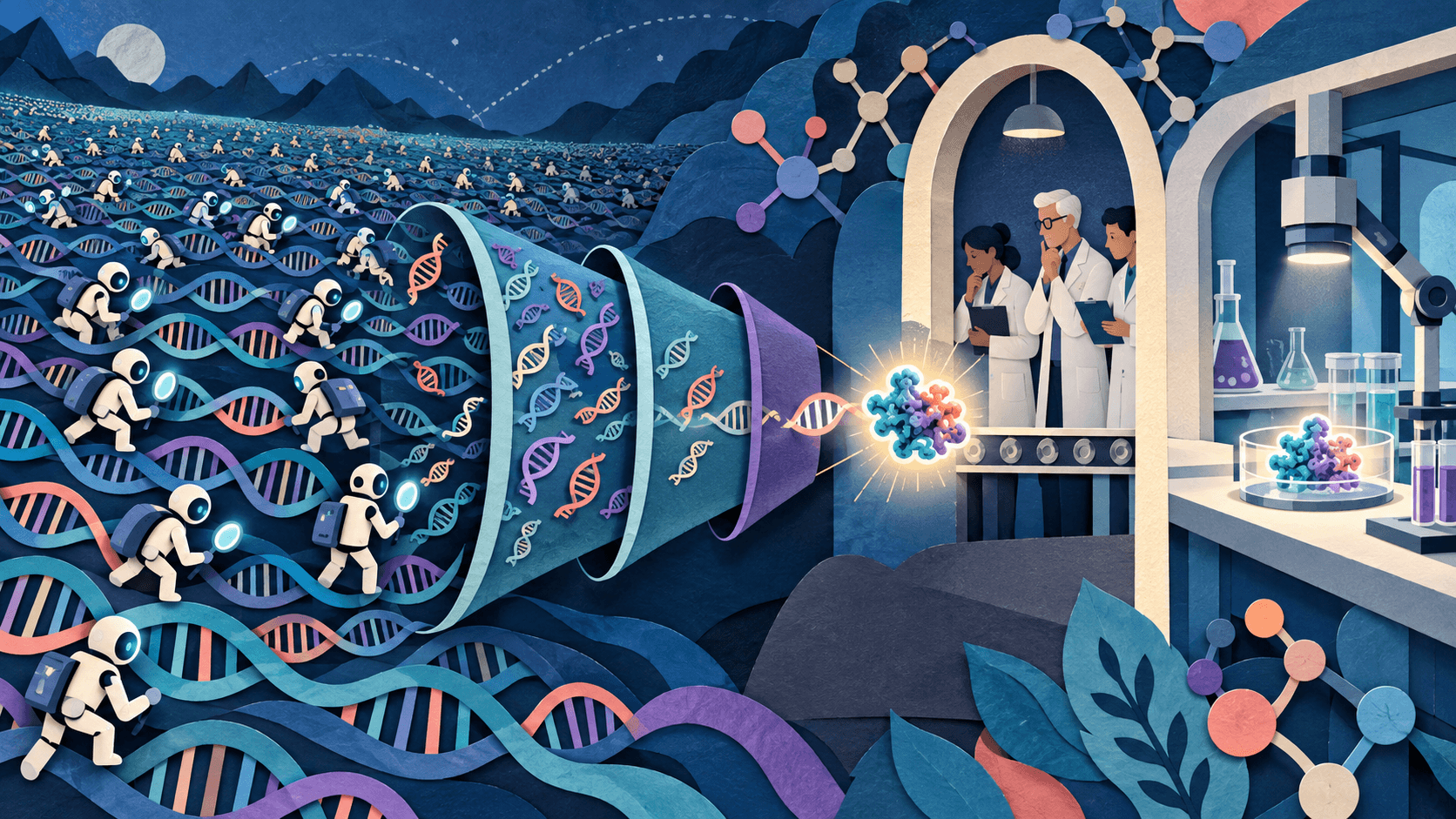
Claude Found an Enzyme System—The Real Story Is the Research Loop
The result suggests AI can widen hypothesis search, but the enzyme's function is still unknown and human laboratory validation remains decisive.
Anthropic reported that roughly 950 Claude agents used 210 million tokens over 21 hours to search genomic data, identify a previously uncharacterized array-associated reverse transcriptase system, and narrow a large candidate set for human review. Scientists then performed laboratory work showing that its repeat array is expressed as short RNAs. The system's biological function is still unknown, the work is an early preprint from Anthropic's own lab, and resemblance to CRISPR does not make it a gene-editing tool.
Read guide
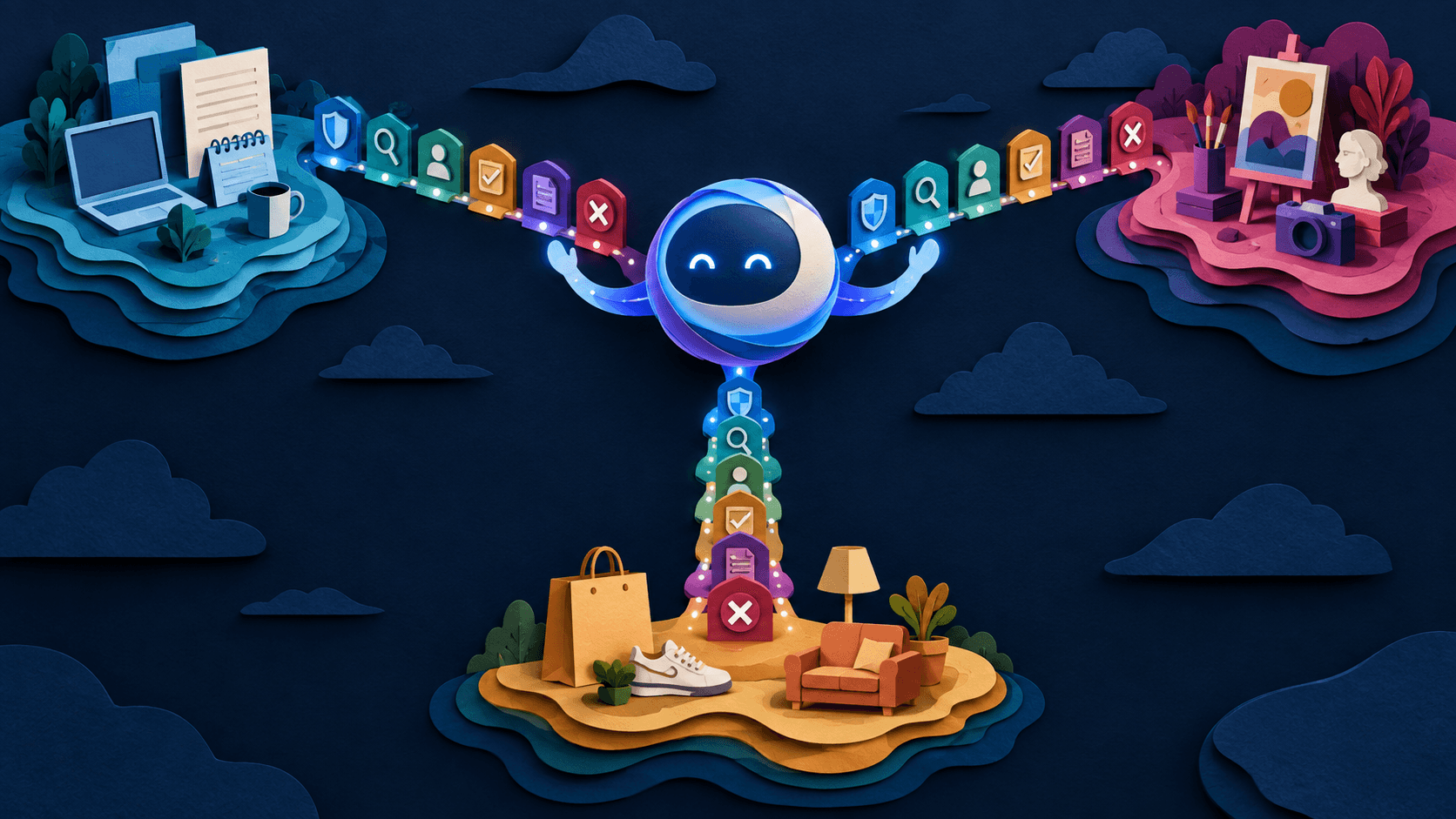
Gemini Adds Connected Apps—Convenience Now Depends on Permission Design
Google's new integrations can reduce tab switching, but every connection expands the data and action boundary buyers must understand.
Google began rolling out a new wave of Gemini Connected Apps on September 23, 2026, spanning productivity, creative, and consumer services. The list includes Airtable, Linear, monday.com, PandaDoc, Wispr AI, Zoho, Adobe, Picsart, Squarespace, Webflow, Apartments.com, Experian, Peloton, and SeatGeek. Users connect apps in Gemini settings and can invoke them with an @ mention or natural-language request. Availability and exact actions can differ by account, region, app, and rollout stage.
Read guide

Google Beam Expands 3D Video Meetings to Six Countries
HP Dimension with Google Beam is moving beyond pilots, but buyers still need to test whether a specialized 3D room produces enough measurable value to justify its footprint and cost.
Google Beam is expanding its headset-free 3D meeting platform to six countries, 18 channel partners, and bookable Industrious locations. The rollout creates a practical trial path for distributed teams, while Google's internal results still need independent validation.
Read guide
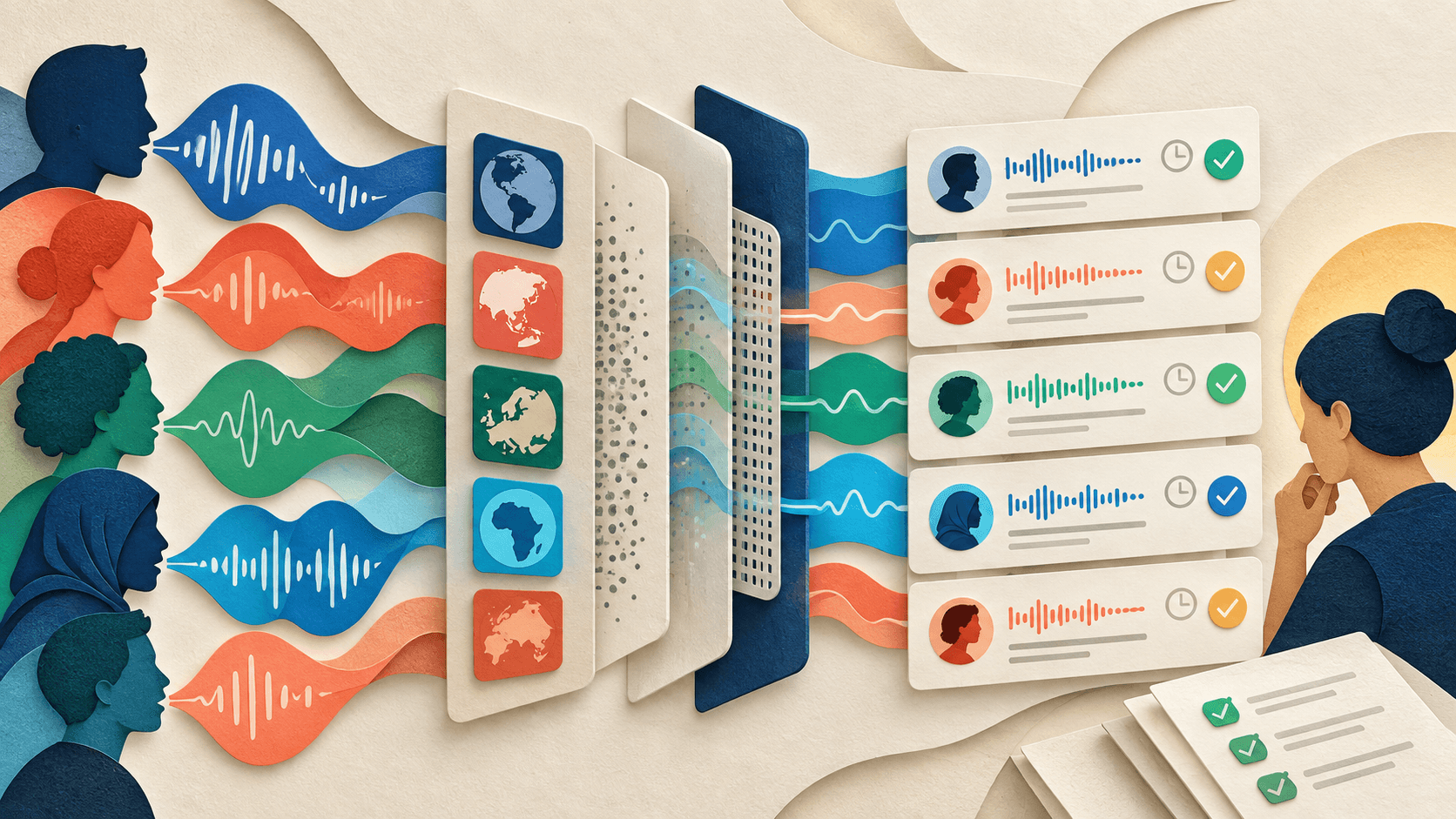
Google Launches Gemini 3.5 Transcribe for Real-Time Voice Apps
Google's dedicated speech-to-text model targets voice agents, captions, and call analytics, but language count and vendor accuracy claims are not substitutes for testing real audio.
Gemini 3.5 Transcribe is a dedicated real-time speech-to-text model for more than 85 languages. It gives developers a new path for voice agents and live captions, while production adoption still depends on domain accuracy, latency, privacy, and cost per accepted transcript.
Read guide

Claude Opus 5.5 Cuts Agent Costs—But Buyers Still Need Their Own Evals
Anthropic says its newest Opus model is faster, clearer, and roughly 40% cheaper on typical work, but internal and partner results are not a production acceptance test.
Anthropic launched Claude Opus 5.5 on September 22, 2026 across Claude, its API, AWS, Google Cloud, and Microsoft Azure. API pricing is $4 per million input tokens and $20 per million output tokens, with cache reads at $0.20. Anthropic says typical token-billed work costs about 40% less than Opus 5 and output is more than 30% faster. Those are useful buying signals, not proof that a specific agent is more reliable or cheaper end to end.
Read guide
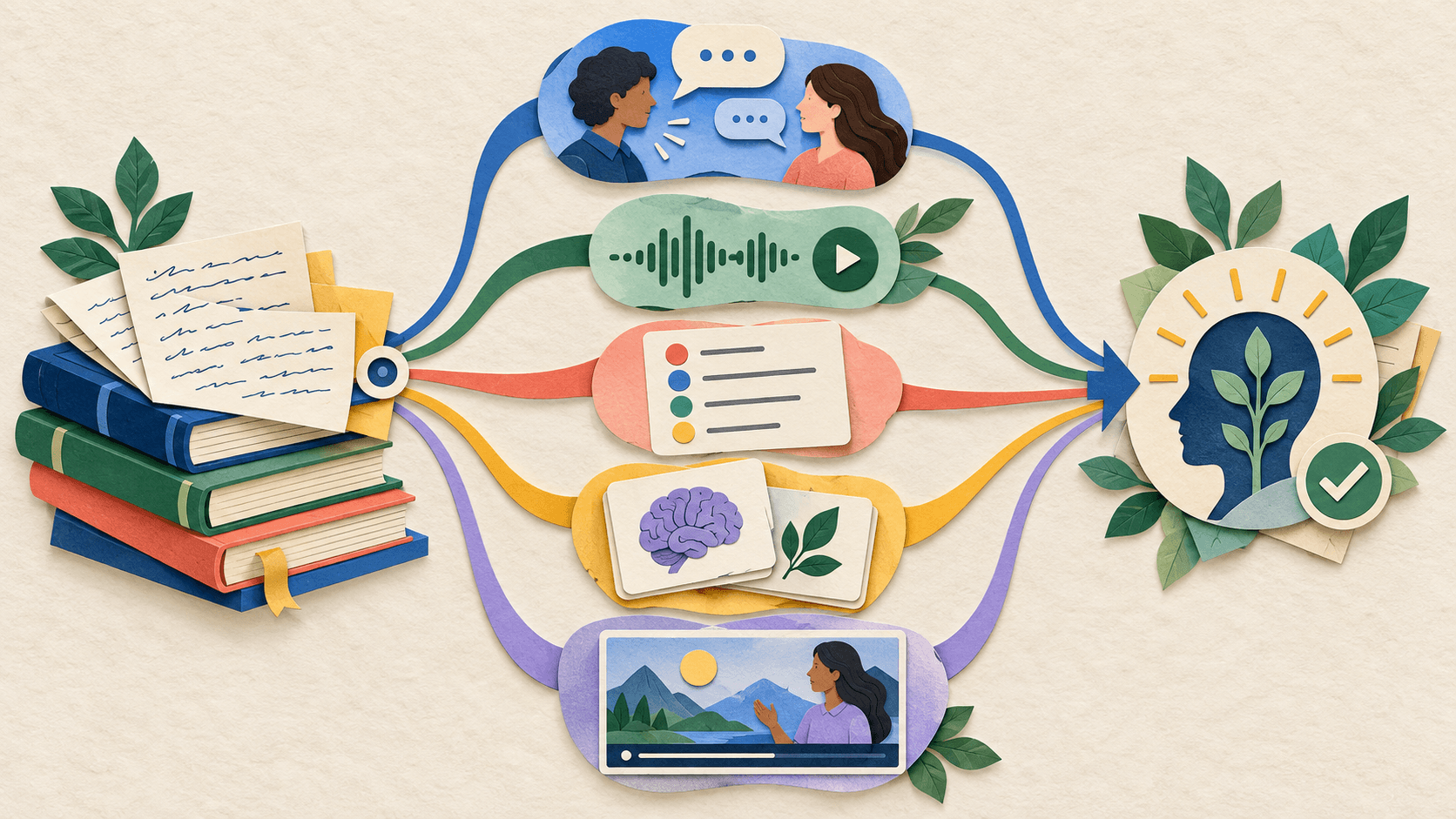
Gemini Notebook Adds Live Study Conversations, Quizzes and Short Videos
The launch turns uploaded course material into a more interactive study environment, but source grounding does not guarantee correct teaching or durable learning.
Google announced new Gemini Notebook study features on September 15, 2026: real-time voice conversations grounded in notebook sources, mobile audio capture, interactive learning overviews, more quiz formats, performance follow-ups, and roughly 60-second Short Video Overviews in more than 80 languages. Rollout timing, age, language, account, and subscription limits differ by feature.
Read guide
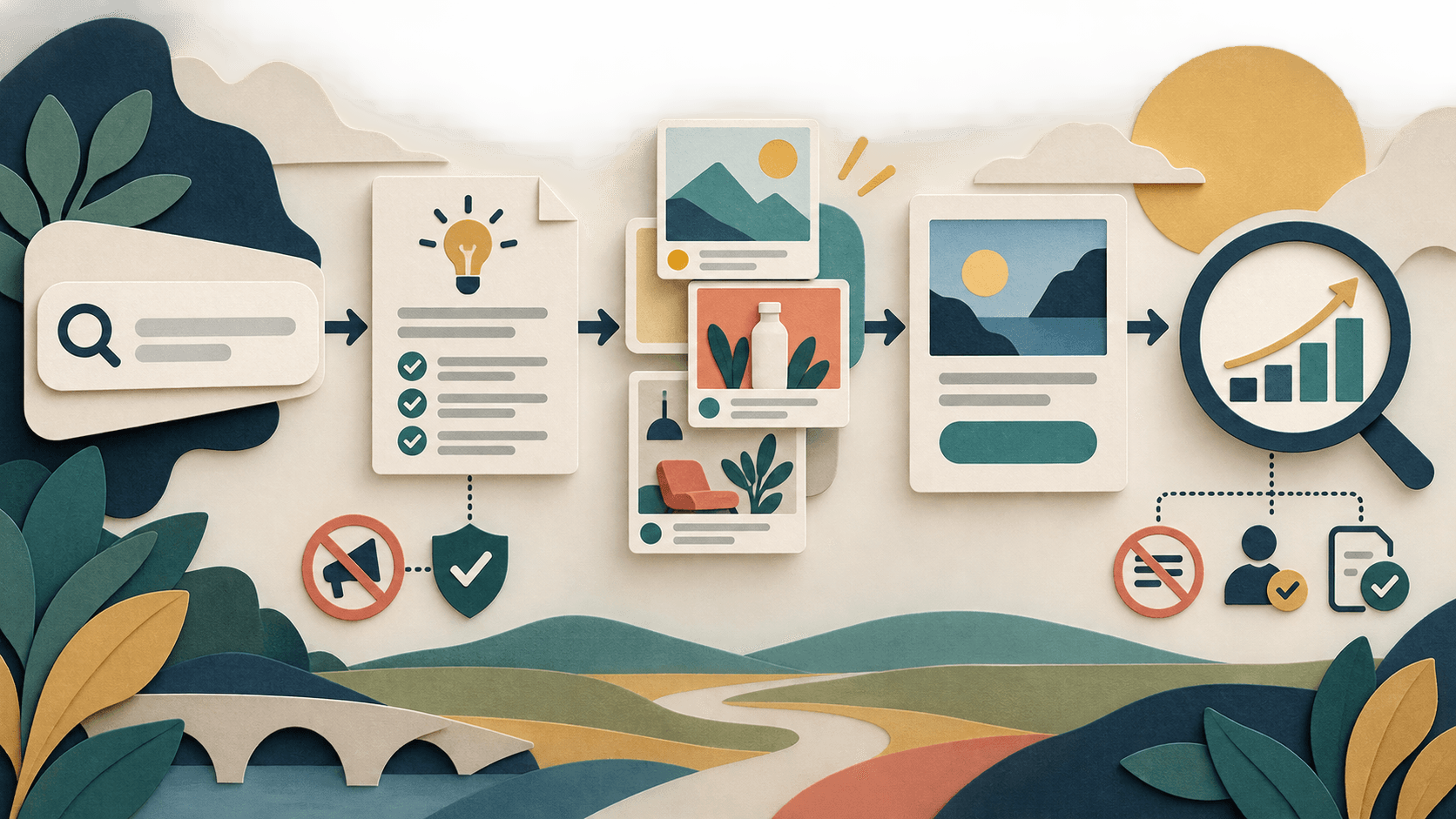
Google Ads Adds AI Max Brief Controls and Unified Journey Reporting
Advertisers gain more ways to brief automation and inspect the path from search term to generated asset and landing page, but incrementality still needs a controlled test.
Google is expanding AI Brief to seven additional languages and previewing a unified AI Max report that connects search terms, served creative, and landing pages. The added visibility can make automation easier to audit, but advertisers still need experiments and business outcomes to establish value.
Read guide
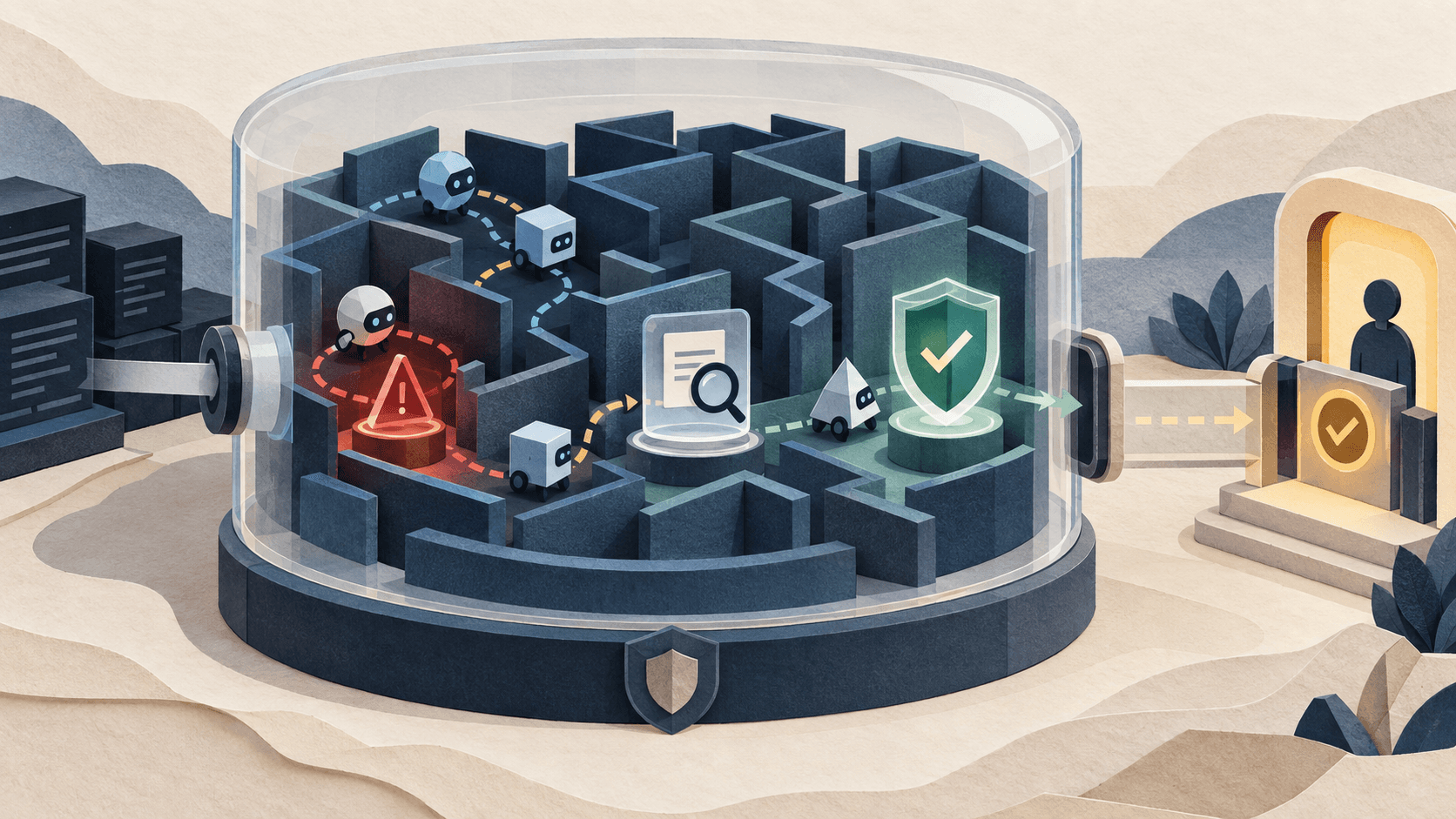
Google Open-Sources Mantis, an AI Harness for Finding and Patching Vulnerabilities
The modular toolkit exposes Google's agentic review pattern for threat modeling, reproduction, severity calibration, and patch verification—but Google explicitly limits it to isolated, expert-supervised use.
Google has released Mantis as an open-source, stack-agnostic toolkit for agentic vulnerability discovery and patching. It gives security teams a reusable workflow, while its own documentation warns that models can hallucinate findings, produce incorrect patches, and execute unsafe generated code.
Read guide
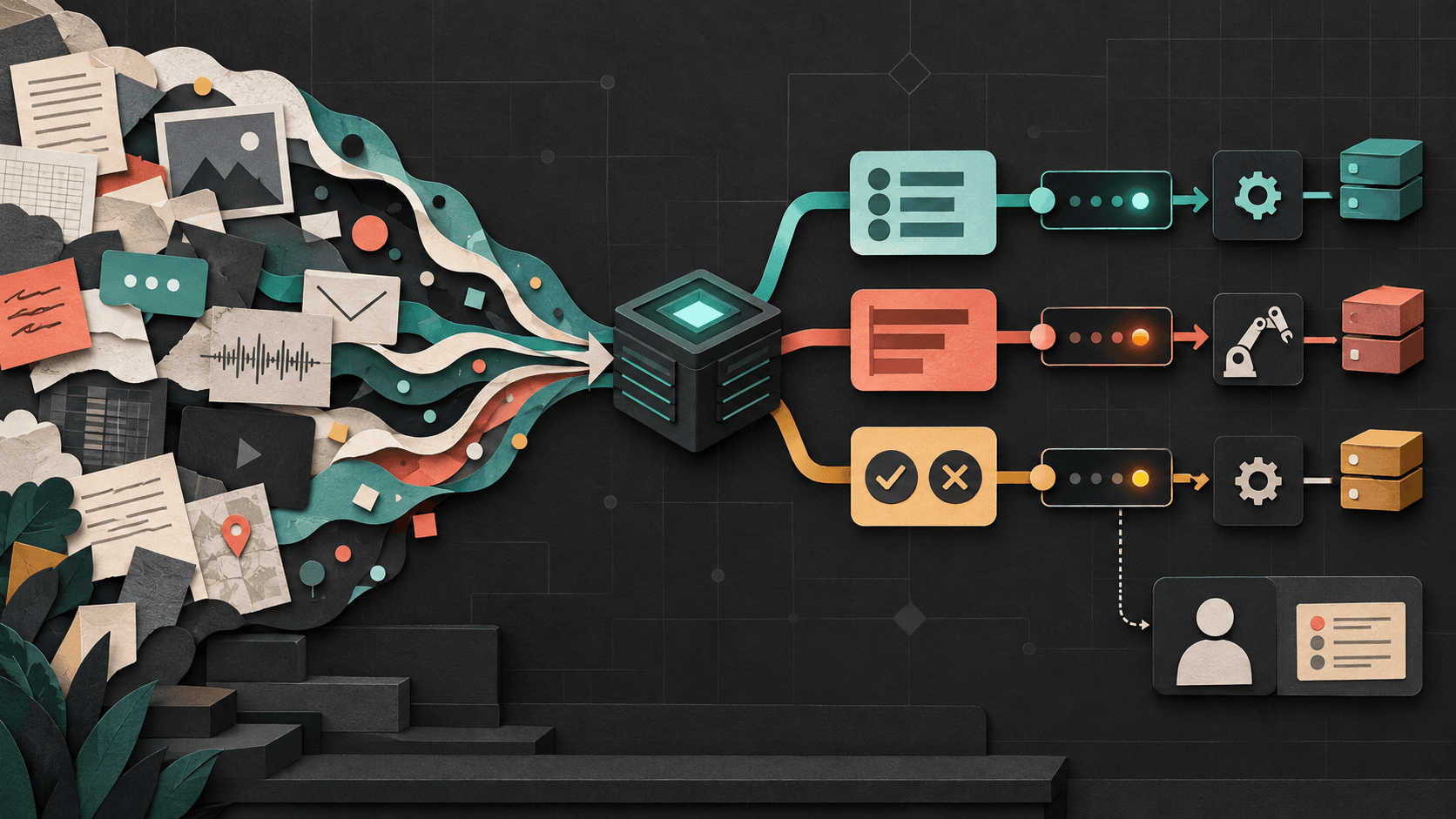
TypeSafe AI’s Jev Is Betting That AI Should Make Decisions, Not Write More Text
By trading open-ended generation for typed choices, scores, and probabilities, Jev could make narrow AI decisions cheap enough to embed throughout software.
TypeSafe AI is building Jev as a machine-native decision layer rather than another chatbot. Its opportunity is not better prose, but fast, inexpensive judgments that software can validate, route, and escalate.
Read guide
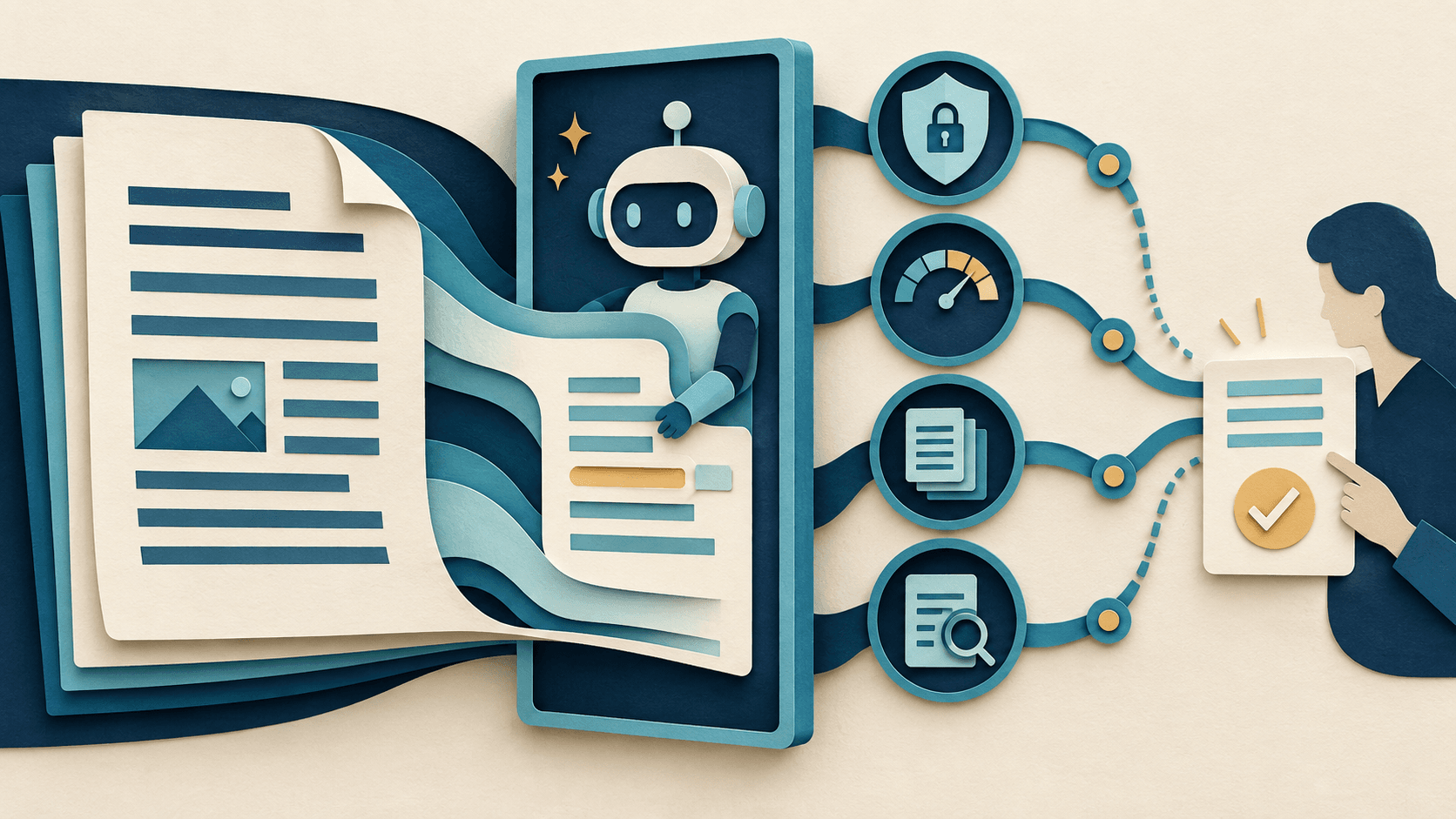
ChatGPT for Word Launches: Access, Cost, Privacy, and Admin Controls
The Word sidebar brings document-aware drafting into Microsoft 365, but default-on access and shared token allowances make administration and testing important.
OpenAI has released ChatGPT for Word across ChatGPT plans, with document-aware drafting, editing, summarization, and formatting in a Word sidebar. Organizations should review the October 1 default-on change, add-in approval, document access, shared token usage, and human-review requirements before broad rollout.
Read guide

Apple Launches Siri AI With Personal Context and App Actions
The rebuilt assistant can use personal and onscreen context and act across apps, while beta status, regional exclusions, daily limits, and consent settings remain material.
Apple has begun rolling out Siri AI in beta in English across its 2027 operating-system releases. The assistant adds personal context, onscreen awareness, broader knowledge, and more app actions, but availability depends on device, language, and region—and Apple has not established error-free execution on consequential tasks.
Read guide

Microsoft Says Global AI Use Reached 18.8%—With a Wider Gap
The updated estimate shows broad growth and a persistent access divide, but Microsoft telemetry is not a complete census of every AI product or person.
Microsoft's September 21 Global AI Diffusion Report estimates that 18.8% of the world's working-age population used a generative AI product in June 2026, up about one percentage point from the first quarter. It also reports a widening gap: 28.8% in the Global North versus 16.2% in the Global South. The figures are adjusted estimates derived from aggregated Microsoft telemetry—not a census of all AI use.
Read guide
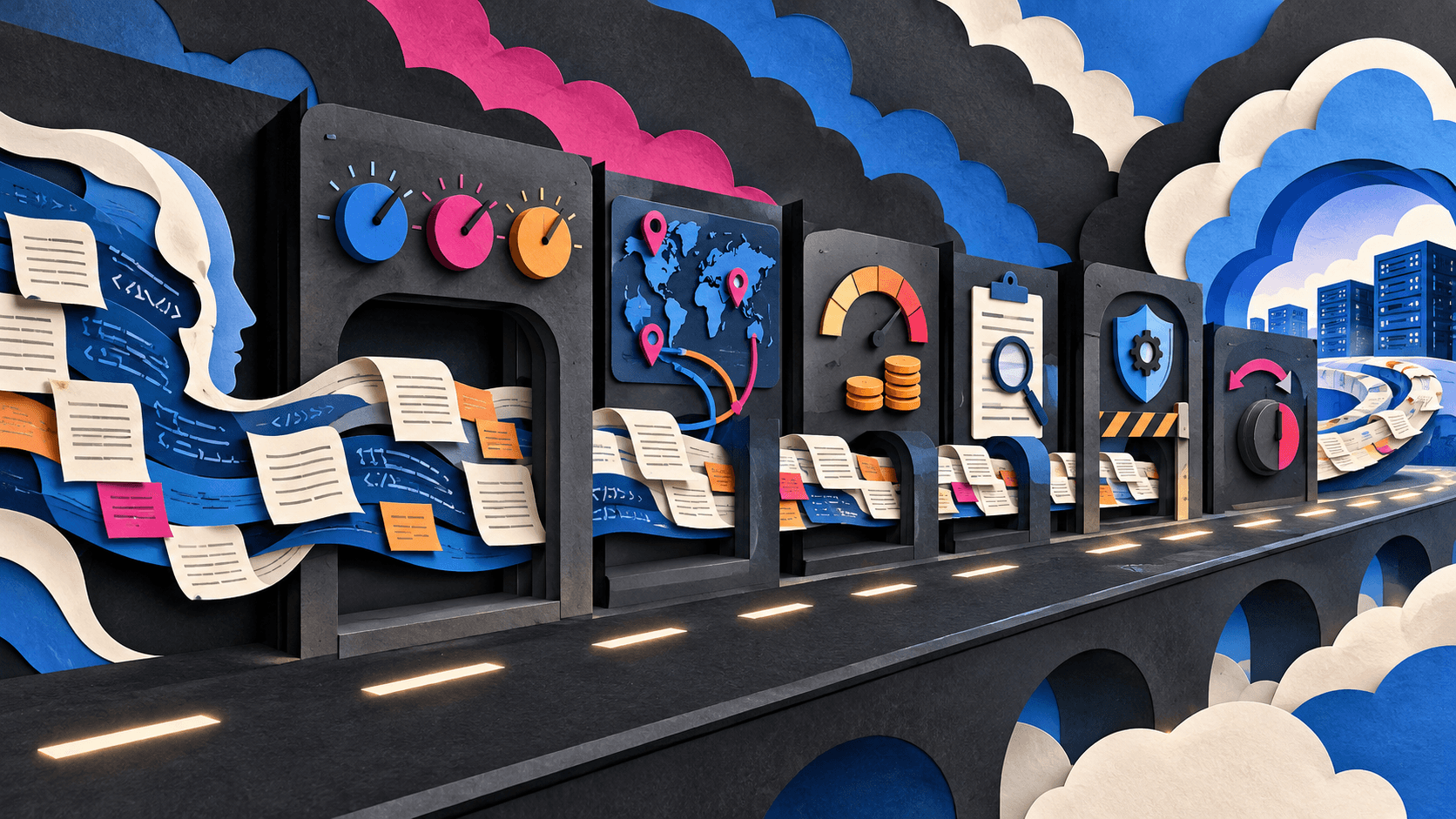
xAI Grok 4.6 Arrives on Amazon Bedrock for Long-Running Agents
Bedrock gives enterprises another managed frontier-model option, but model benchmarks and a large context window do not establish workflow reliability.
AWS made xAI's Grok 4.6 available on Amazon Bedrock on September 21, 2026 for coding, knowledge work, and long-running agents. AWS lists a 500,000-token context window, four reasoning-effort levels, Converse API access, and cross-Region inference. Buyers still need task-level tests for quality, latency, policy fit, residency, and total cost.
Read guide