DiscoverAI guide library
Practical AI guidance, organized around the work you need to do.
Skip the endless archive. Start with your topic, audience, or immediate problem, then follow a focused path through independent guides, comparisons, and workflows.
Not sure where to begin?
Answer three questions and get a focused tool shortlist for your budget and priority.
Use the AI Tool Finder →Choose a pathway
Explore by topic
Owners and lean teams
Work & Operations
Save time on research, meetings, planning, finance, administration, and repeatable operations.
Marketing and fundraising teams
Marketing & Growth
Plan campaigns, improve social publishing, email, analytics, fundraising, and measurable growth.
Writers and publishers
Content & Search
Research, write, optimize, refresh, and distribute useful content with responsible AI workflows.
Creators and communications teams
Video, Audio & Creative
Create, edit, repurpose, and distribute video, voice, podcasts, images, and presentations.
Service and community leaders
Customers & Community
Improve customer support, donor stewardship, volunteer coordination, outreach, and client communication.
Builders and decision makers
Build, Design & Govern
Choose and deploy AI safely across websites, apps, design systems, privacy, security, and governance.
Editor recommended
Start with these essential guides
Curated editorially as useful starting points; not a claim of traffic popularity.

How Small Business Owners Can Save 10+ Hours a Week With AI Automation in 2026
A practical, no-hype guide to automating the repetitive tasks that consume small business owners' most limited resource: time.
A practical, no-hype guide to automating the repetitive tasks that consume small business owners' most limited resource: time. Written for small business owners working 50+ hours a week on operations, marketing, and admin, with a decision framework, step-by-step workflow, measurable outcomes, and clear limitations.
Read guide
How Understaffed Nonprofits Can Build Capacity With AI Tools in 2026
A strategic framework for using AI to multiply a small team's output without burning out the people you have.
A strategic framework for using AI to multiply a small team's output without burning out the people you have. Written for nonprofit executive directors leading teams of fewer than five people, with a decision framework, step-by-step workflow, measurable outcomes, and clear limitations.
Read guide
How to Choose the Right AI Tool for Your Business
Stop chasing every new AI launch. A practical decision framework for evaluating AI tools based on your actual needs, budget, and risk tolerance.
A practical decision framework for evaluating AI tools: define the problem, score contenders, decide build vs. buy, and know when to cancel. No hype, just a repeatable process.
Read guide
Recently published
Latest guides

PlotToFilm Review: Script-to-Film Workflow and Credit Costs
PlotToFilm suits a small narrative-video pilot: approve storyboards before buying motion, and budget for rejected shots as well as exports.
PlotToFilm suits a small narrative-video pilot: approve storyboards before buying motion, and budget for rejected shots as well as exports.
Read guide

Neume Review: AI Songs, Remix Costs and Weekly Billing
Neume is a candidate for song ideas and lyric revisions; compare accepted songs and privacy entitlements before choosing weekly billing.
Neume is a candidate for song ideas and lyric revisions; compare accepted songs and privacy entitlements before choosing weekly billing.
Read guide

Neuroline Review: On-Device Journaling and Pro Boundaries
Neuroline is worth evaluating for private iPhone journaling; its free download, paid reflection features and diagnostic disclosures need separate checks.
Neuroline is worth evaluating for private iPhone journaling; its free download, paid reflection features and diagnostic disclosures need separate checks.
Read guide
A useful inbox, not a noisy one
Make better AI decisions each week.
Get practical tool recommendations, important product and pricing changes, and carefully selected workflows for lean organizations.
Browse reviews, news and guides
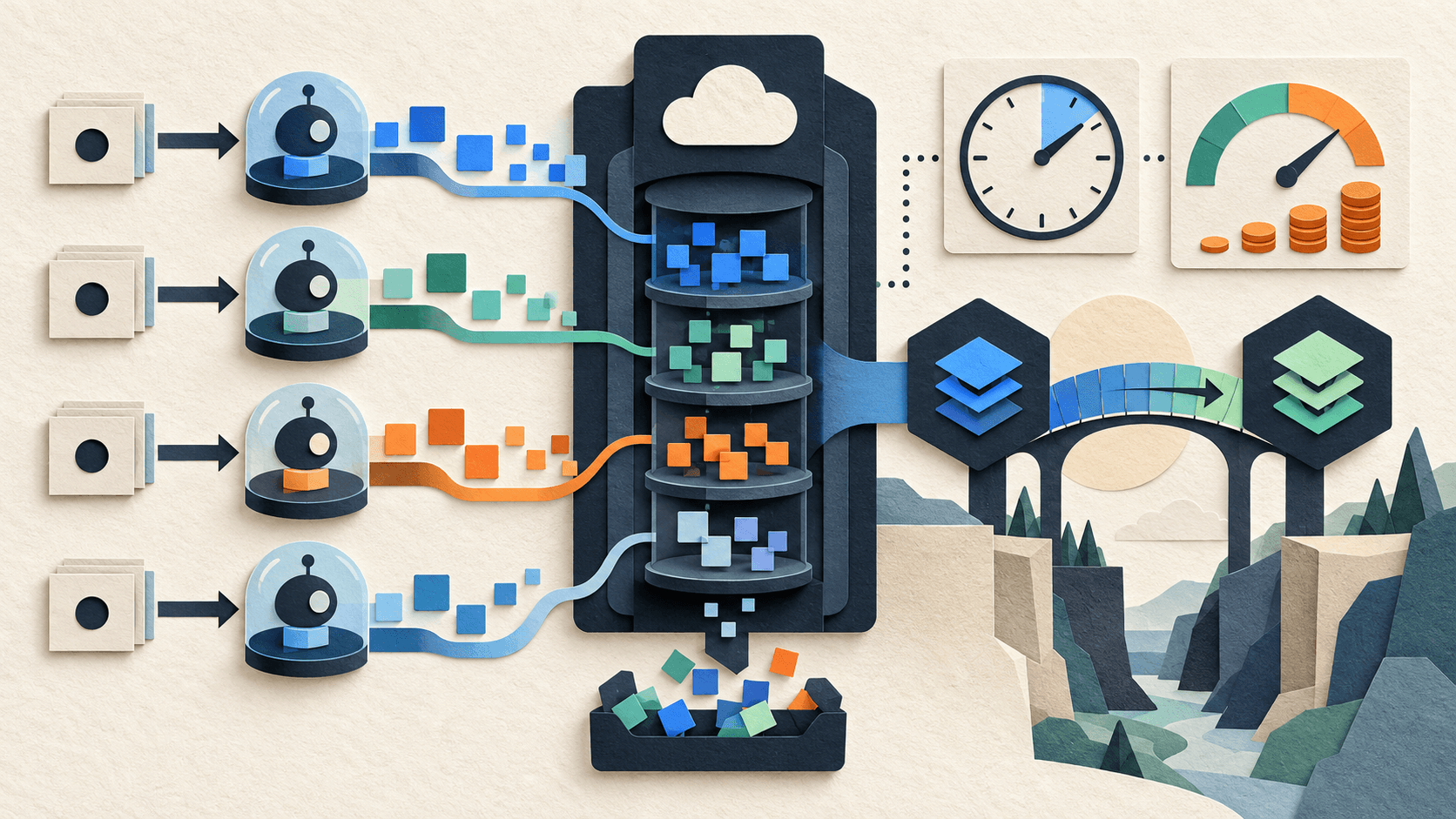
Amazon AgentCore V2 Targets Agent Memory and Cold Starts
The new runtime changes agent infrastructure economics, but AWS platform benchmarks do not predict application reliability or total workflow cost.
Amazon Bedrock AgentCore Runtime V2 reclaims idle memory and restores pre-initialized snapshots to make agent starts more consistent and usage billing more elastic.
Read guide
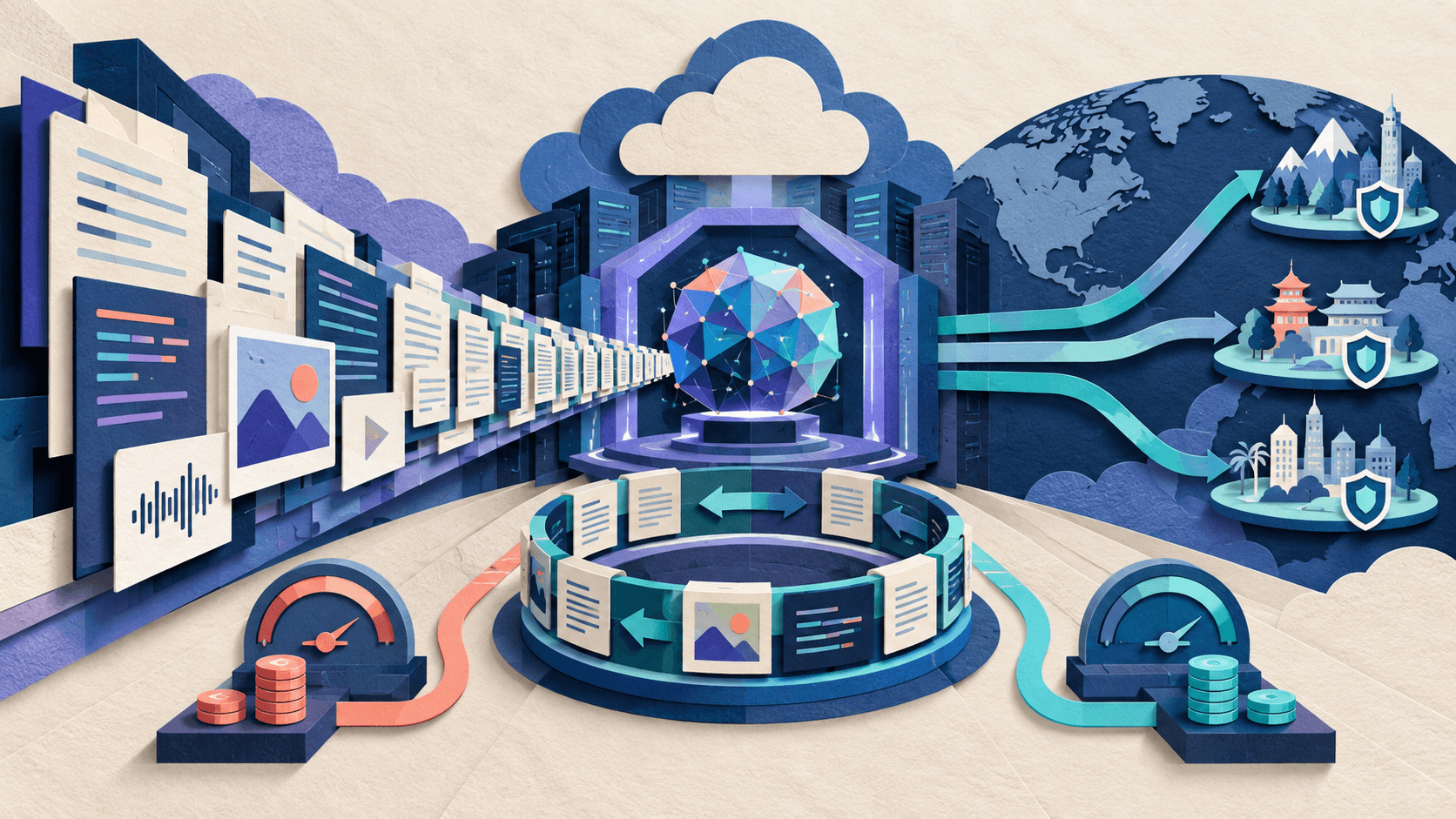
Kimi K3 Lands on Amazon Bedrock With Prompt Caching
A large context window and discounted cache hits can help repeated knowledge work, but buyers still need task-level quality, residency, and cost tests.
AWS added Moonshot AI's Kimi K3 to Amazon Bedrock with native vision, a one-million-token context window, OpenAI-compatible APIs, and explicit prompt caching.
Read guide
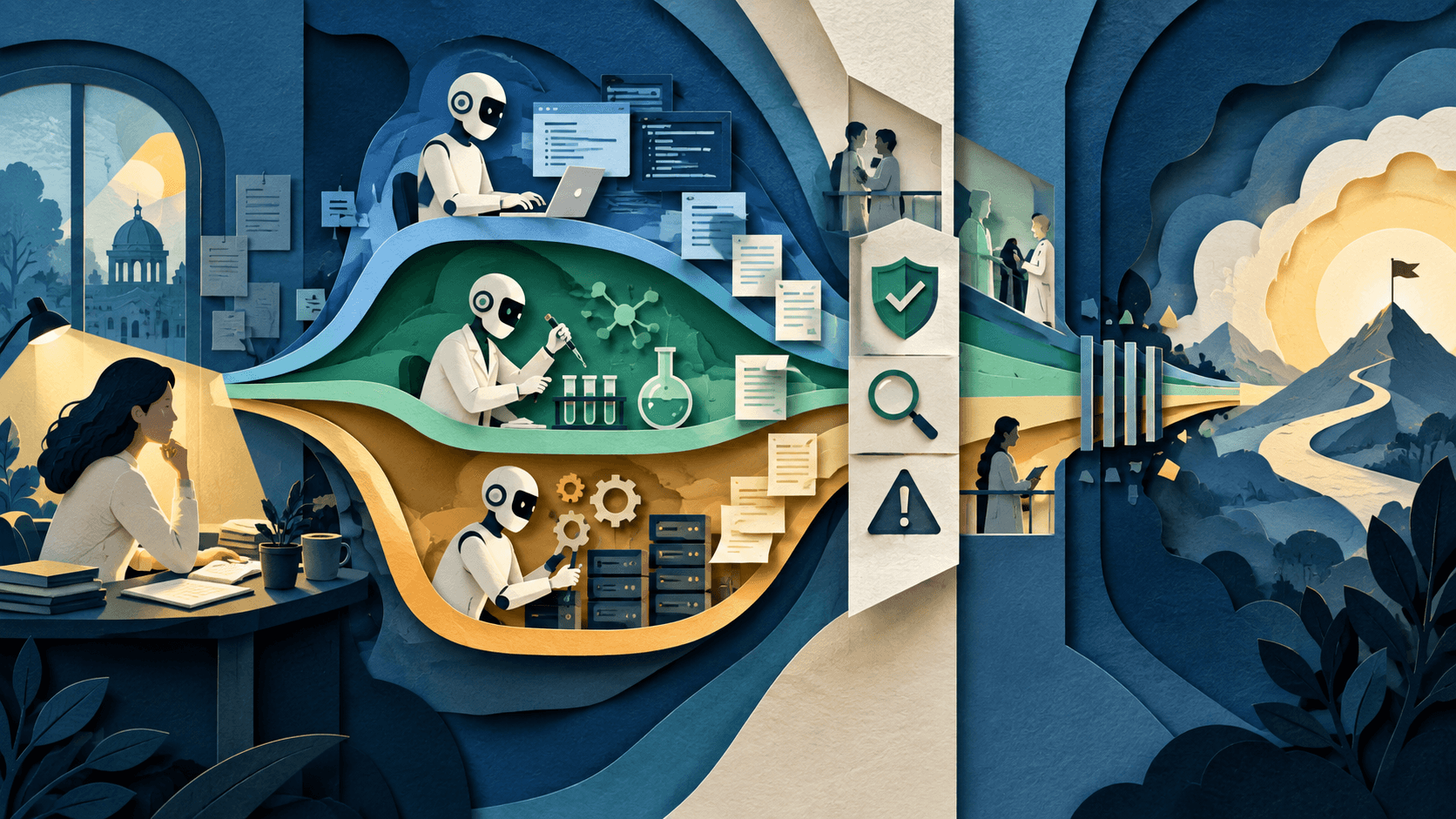
OpenAI Says Agents Now Add 3.1 Research Workdays per Day
The internal metric signals deeper agent use, but parallel effort is not the same as validated productivity, quality, or safe autonomous research.
OpenAI reports 3.1 agent-workdays of effort for every human research workday, while acknowledging correlation, growing compute, validation bottlenecks, and continued human direction.
Read guide
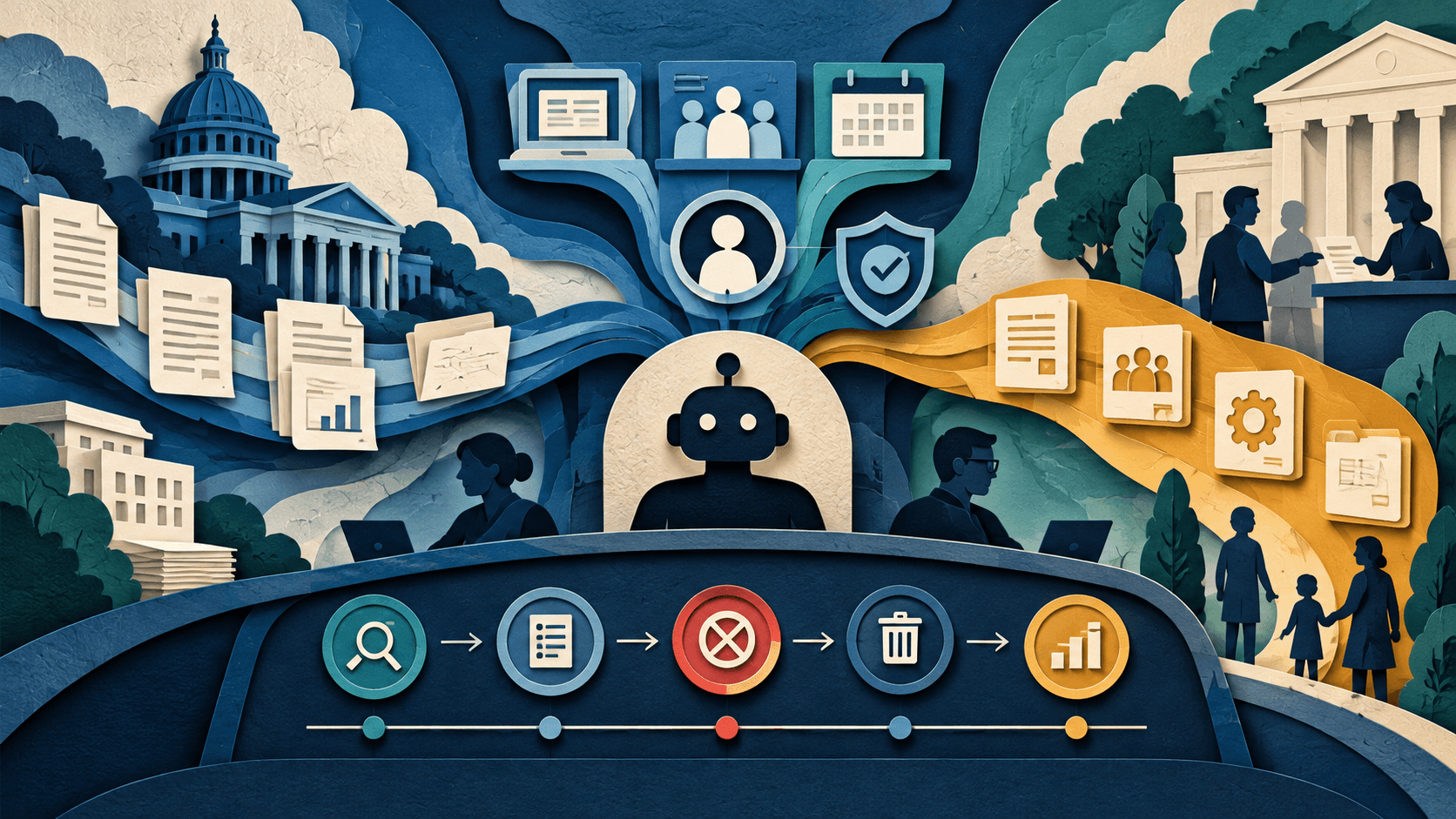
Microsoft 365 G7 Brings Governed AI Agents to Government
The government bundle makes agent inventory and lifecycle control part of the product, but purchase availability does not equal authorization or complete feature parity.
Microsoft announced Microsoft 365 G7 and Agent 365 for Government Community Cloud, combining productivity AI, mission agents, identity, security, compliance, and centralized agent governance.
Read guide

Meta Muse Climbs App Charts as Phone-Call Tests Expand Its Reach
Fast downloads validate interest in action-taking agents; they do not yet establish retention, reliability, savings, or safe real-world delegation.
Muse's early app-chart momentum and reported phone-call testing show demand for agents that act, while raising the stakes for identity, consent, scripts, escalation, and auditability.
Read guide

Meta Says It Delayed Muse for Safety Work: What That Signals
A delayed launch signals that agent safety required material engineering, but it is not independent evidence that every remaining risk is controlled.
Mark Zuckerberg cited Muse's delayed release as evidence that labs can slow their own products for safety work, sharpening the debate over voluntary controls and shared standards.
Read guide

Anthropic Plans Customer-Controlled Frontier Safeguards
Customer-controlled storage could reduce a real enterprise privacy conflict, but a phased announcement is not yet proof of coverage, deletion, or control parity.
Anthropic says Enterprise Frontier Safeguards will combine zero-data-retention access with misuse detection while storing monitored data in cloud infrastructure controlled by the customer. The design targets a genuine tradeoff between privacy and safety monitoring, but it is rolling out in phases and buyers still need endpoint, region, key, log, deletion, incident-access, and contract details.
Read guide

Google Expands AI Plans With Voice, Pics, and Sheets Canvas
The update pushes Gemini deeper into everyday work, but feature names, plan gates, U.S.-only access, and connected-data permissions matter more than the bundle headline.
Google announced AI-plan additions including voice interaction in Gmail, Docs, and Keep; Google Pics for visual work; prompt-built interactive mini-apps in Sheets canvas; and Gemini Spark connections to Chrome and Google Photos. Availability differs by plan, product, and region, so the practical story is workflow consolidation—not universal access.
Read guide
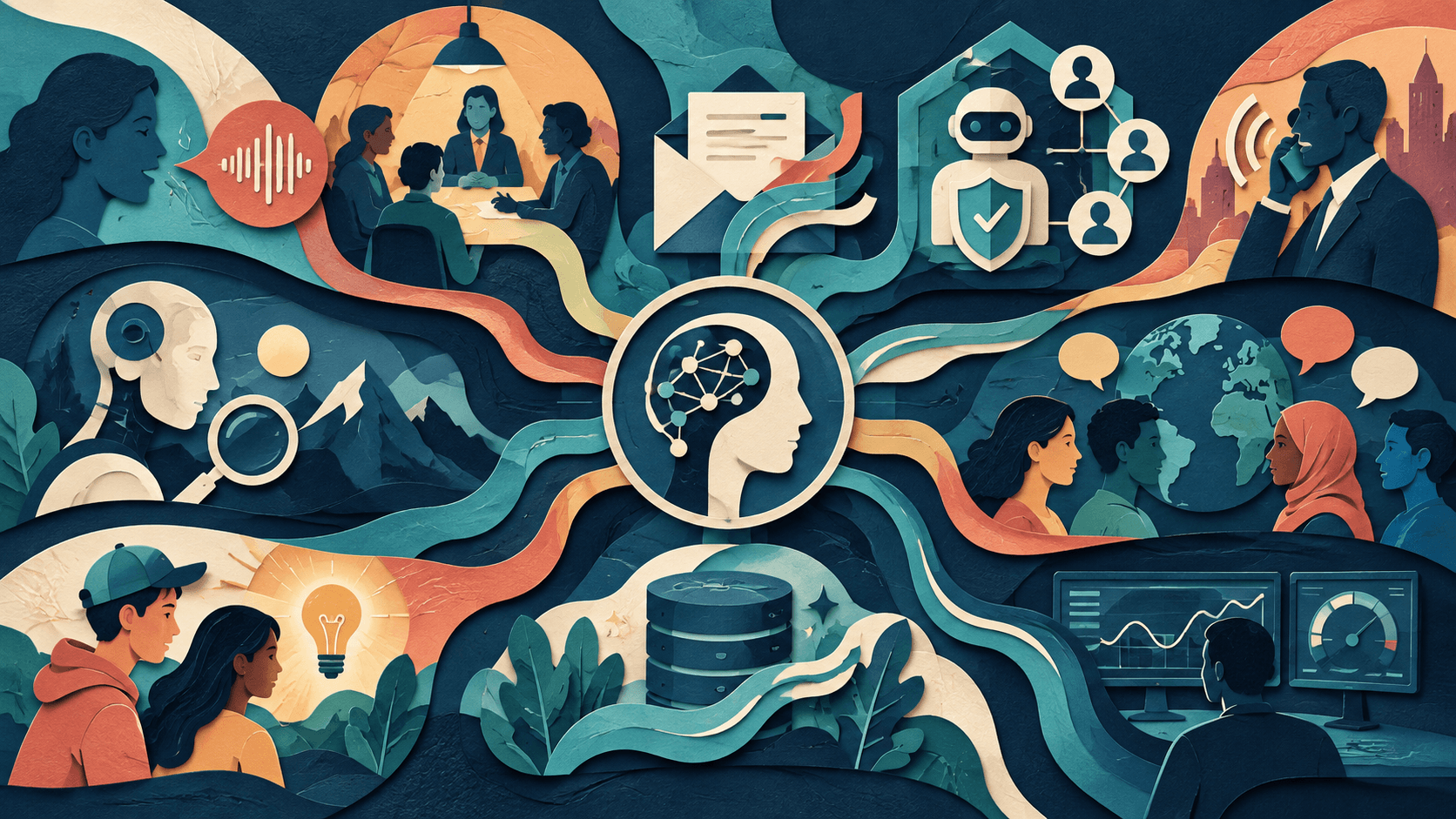
Anthropic and Accenture Plan Embedded AI Evaluation
Deeper evaluator access could improve scrutiny, but lab funding and unsettled reporting rules make independence a design problem, not a label.
Anthropic and Accenture, through Faculty, plan an embedded-evaluation program for frontier models covering red teaming, alignment, and safeguards. Each expects to invest at least $1 billion over five years. The unusual feature is employee-like evaluator access; the unresolved questions are funding independence, publication rights, conflicts, standards, and what happens when findings are disputed.
Read guide
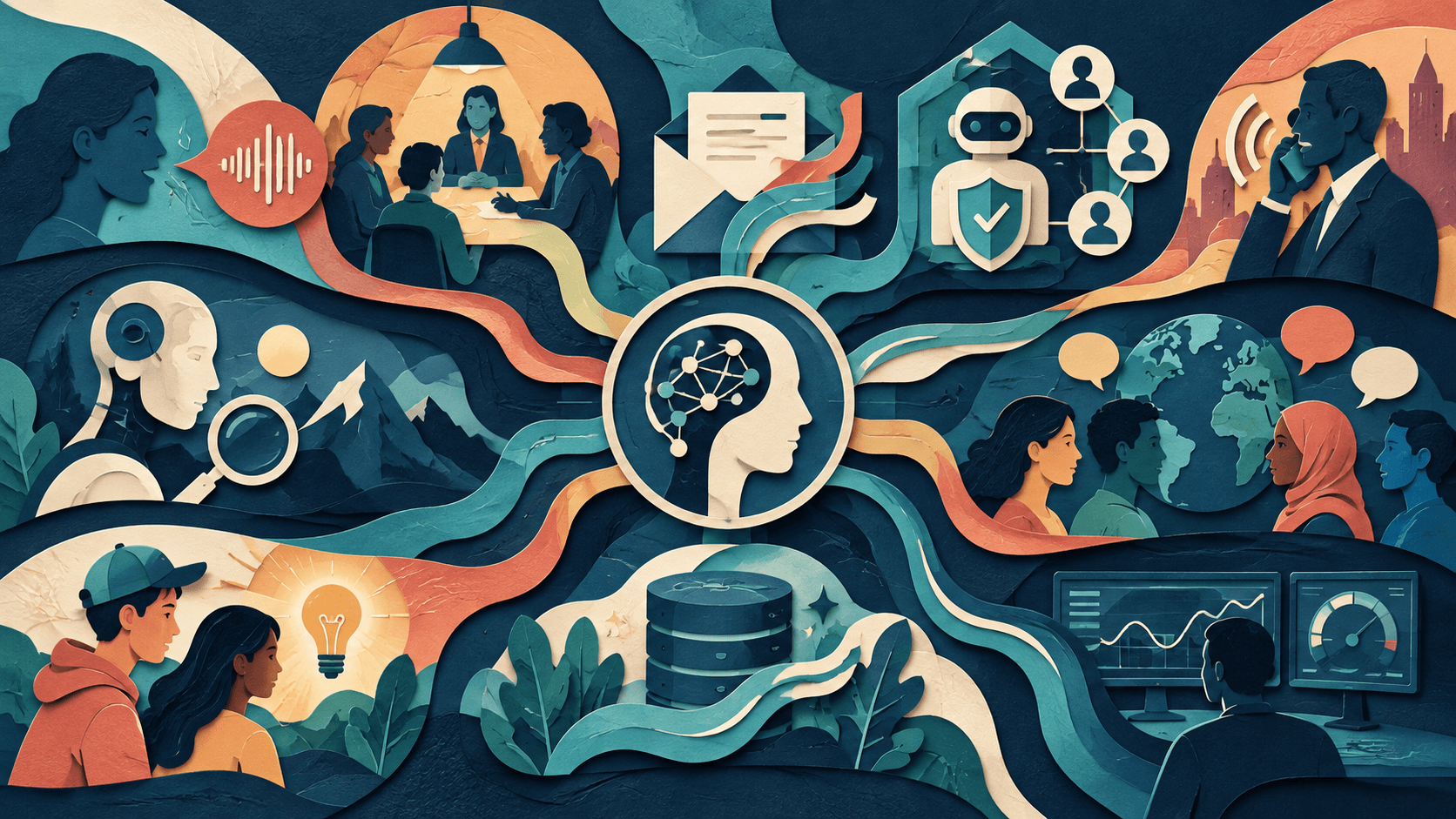
Google Says Its AI Now Supports More Than 300 Languages
Language count is a meaningful access milestone, but buyers still need task-level evidence for dialects, code-switching, tone, literacy, and offline use.
Google says its technologies and products now support more than 300 languages spoken by seven billion people, or 86% of the global population. The milestone broadens potential access, but “support” can mean different capabilities across speech, text, translation, search, and products; it does not establish equal accuracy or cultural fit.
Read guide
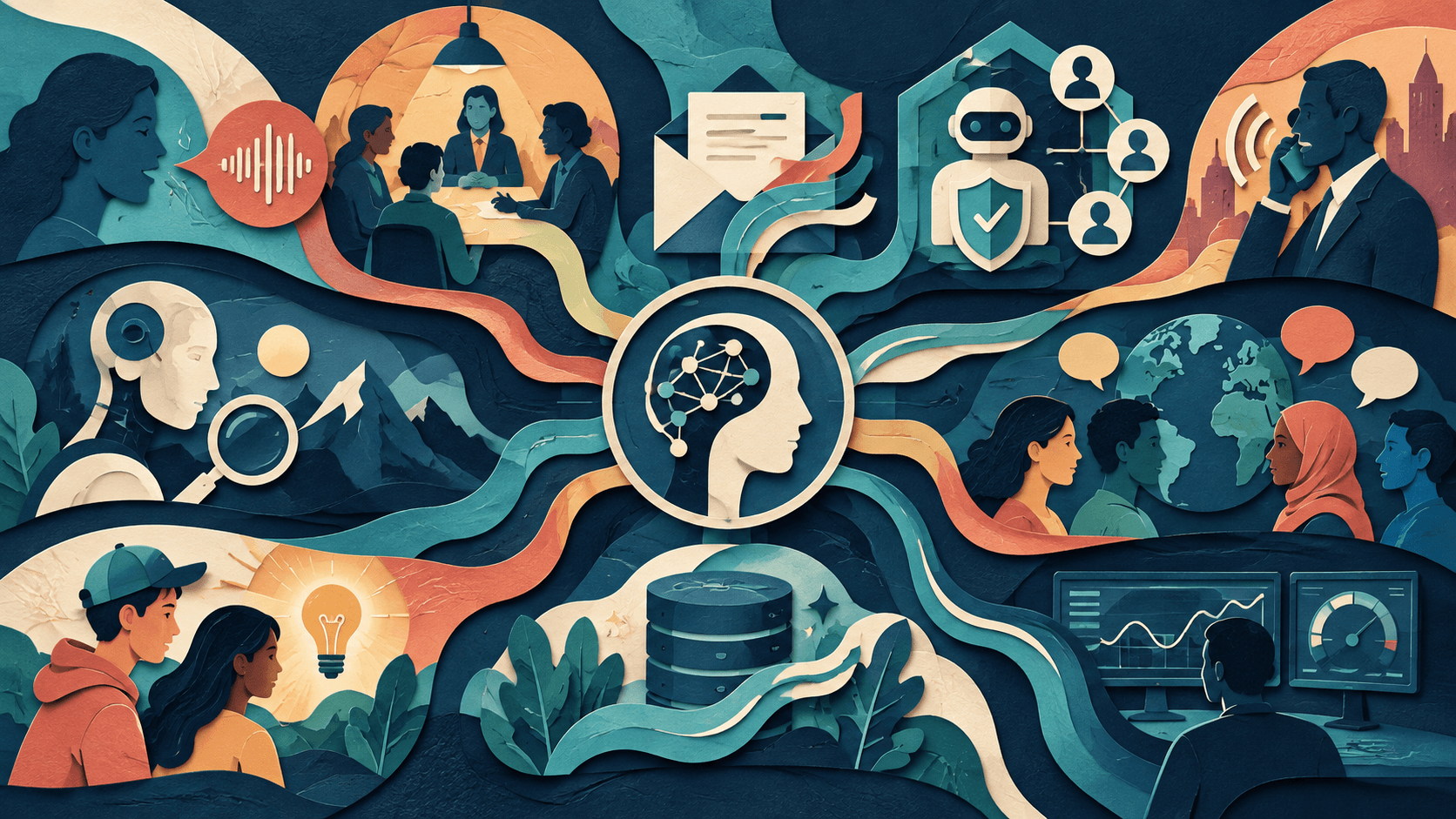
Google Teen AI Study Finds Demand for Better Literacy
The findings challenge a shortcut-only narrative, but a sponsored U.S. survey cannot establish how every teen uses AI or whether safeguards work.
Google and RXN Group report that U.S. teens often describe AI as a study and creativity aid, say they cross-check information, and want stronger digital-literacy education while relying on families for safety guidance. These are useful self-reported attitudes—not behavioral proof, a global sample, or an independent audit of Google's products.
Read guide

Anthropic Proposes Metrics for Tracking AI Lab Progress
The proposal makes internal AI acceleration more legible, but self-reported task shares are not the same as independent safety evidence.
Anthropic has proposed a set of measurements for how frontier AI contributes to model research and development, including the share of work Claude completes and the degree of human supervision. The useful shift is toward observable operational evidence; the limitation is that lab-defined metrics still need stable definitions, external scrutiny, and incident context.
Read guide
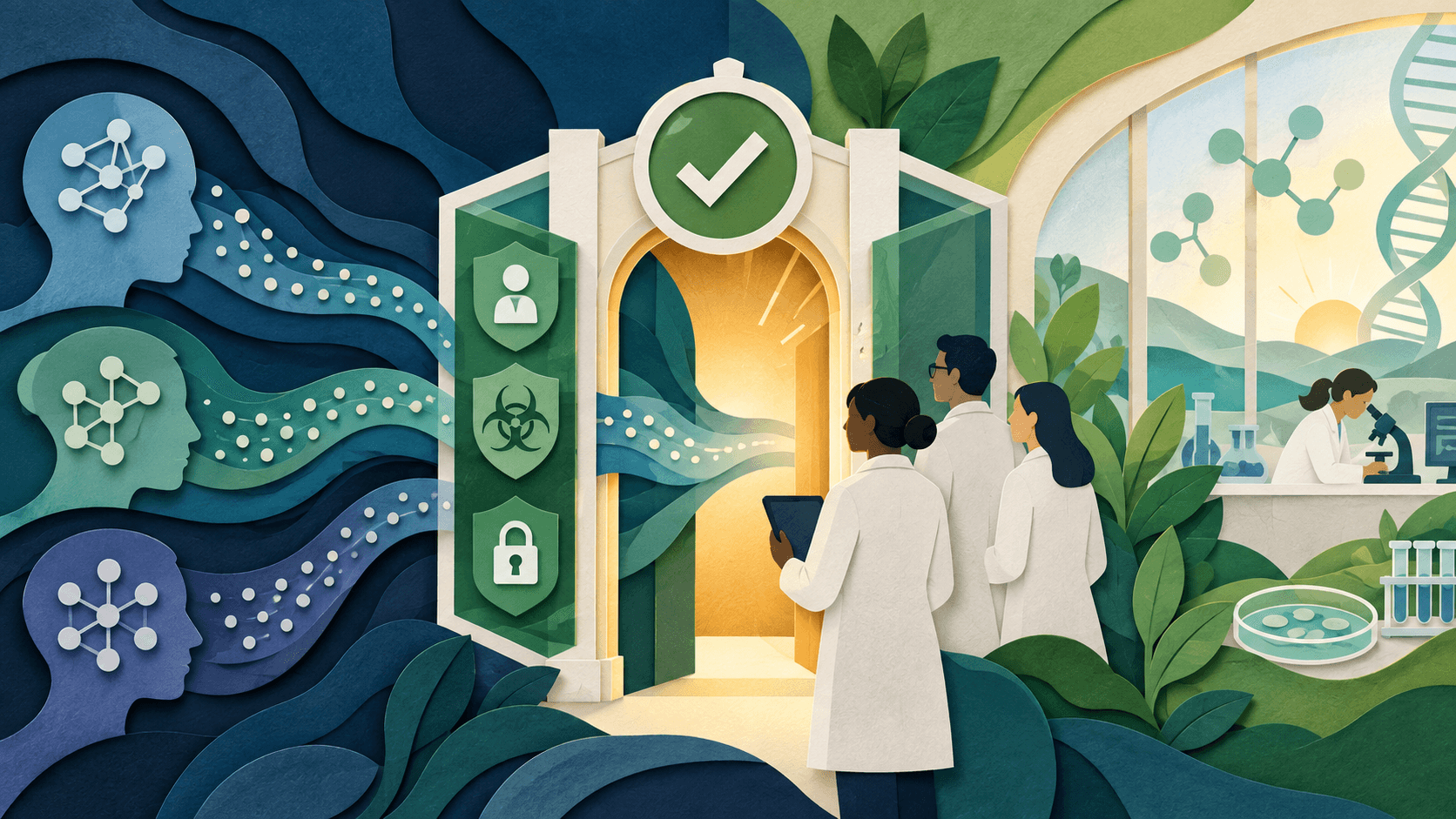
Anthropic Opens Verified AI Access for Life Sciences
The beta separates standard and higher-risk research access, while leaving important HIPAA, platform, and validation constraints.
Anthropic's beta Life Sciences Verification Program gives approved organizations access to more permissive biology safeguards across Claude products and the API. Applicants are reviewed for credentials, security standards, and ethical oversight; higher-risk access receives additional review. It is not an exemption from scientific validation, biosafety, privacy, or institutional approval.
Read guide
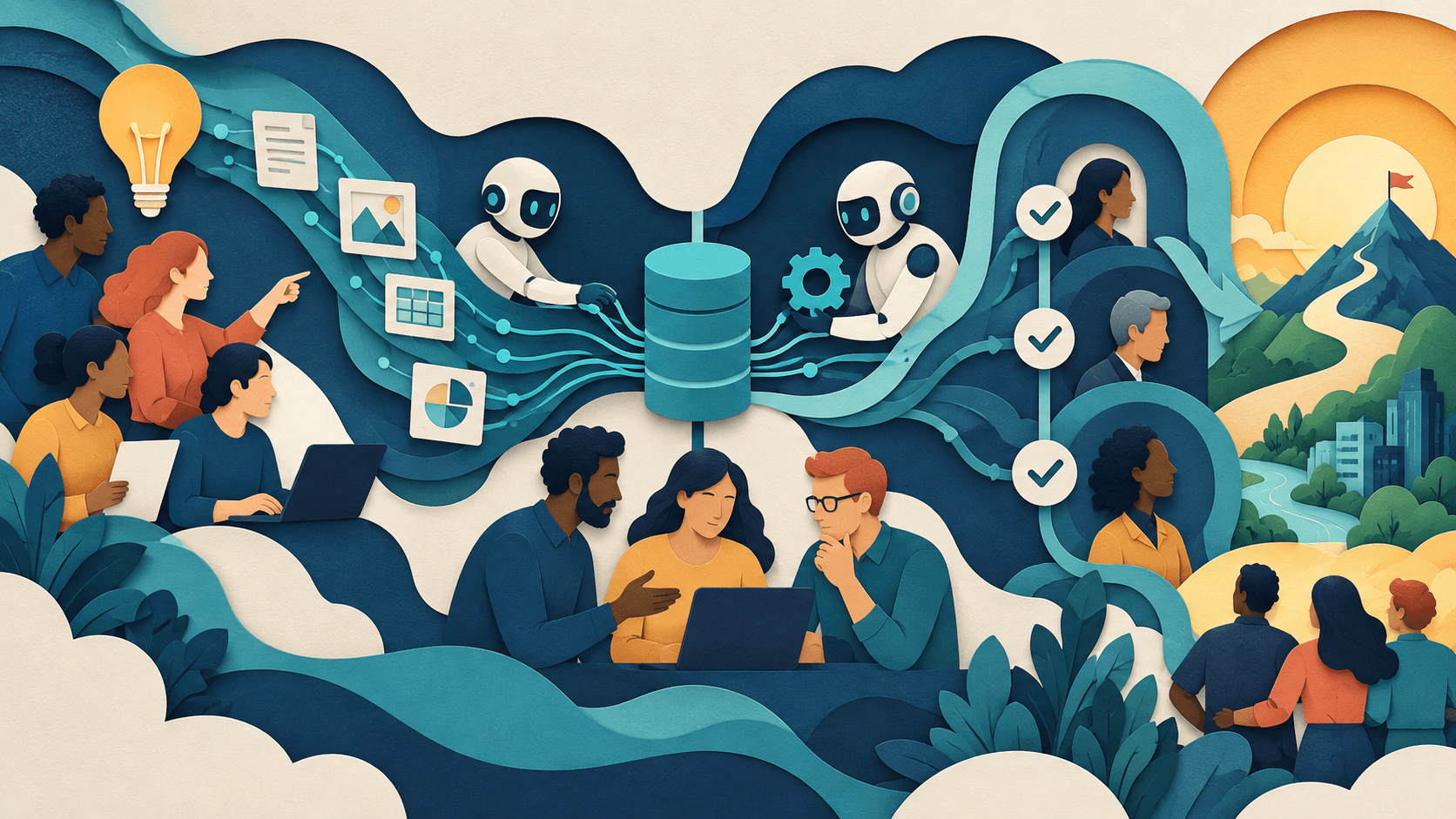
Microsoft Shares Five Lessons From Its AI Transformation
The strongest lesson is refreshingly unglamorous: licenses and usage are inputs, not business outcomes.
Microsoft's internal transformation report says deploying AI widely was insufficient: adoption plateaued until teams started with business outcomes, redesigned end-to-end workflows, developed skills, tracked outcome measures, and kept people accountable. The figures are useful case evidence, not neutral cross-company benchmarks.
Read guide

EU AI Board Reviews Enforcement and Frontier AI Priorities
The meeting signals where implementation attention is moving, but it does not itself create a new compliance deadline or legal rule.
The EU AI Board's ninth meeting focused on AI Act enforcement and implementation, frontier-model capabilities and incidents, cybersecurity, European AI capacity, industrial adoption, and coordination among member states. For buyers, the practical message is to build an evidence trail now; the meeting summary itself is not a substitute for the law or legal advice.
Read guide

Gauntlet Loop Guide: How the Builder-Critic Method Works
The method can push an agent past its first acceptable draft, but only when the reference is inspectable, the critic is independent, and a human controls the budget.
A practical, evidence-bounded guide to Gauntlet Loop: its reference-bar method, builder-critic cycle, setup, costs, failure modes, and safe stopping rules.
Read guide
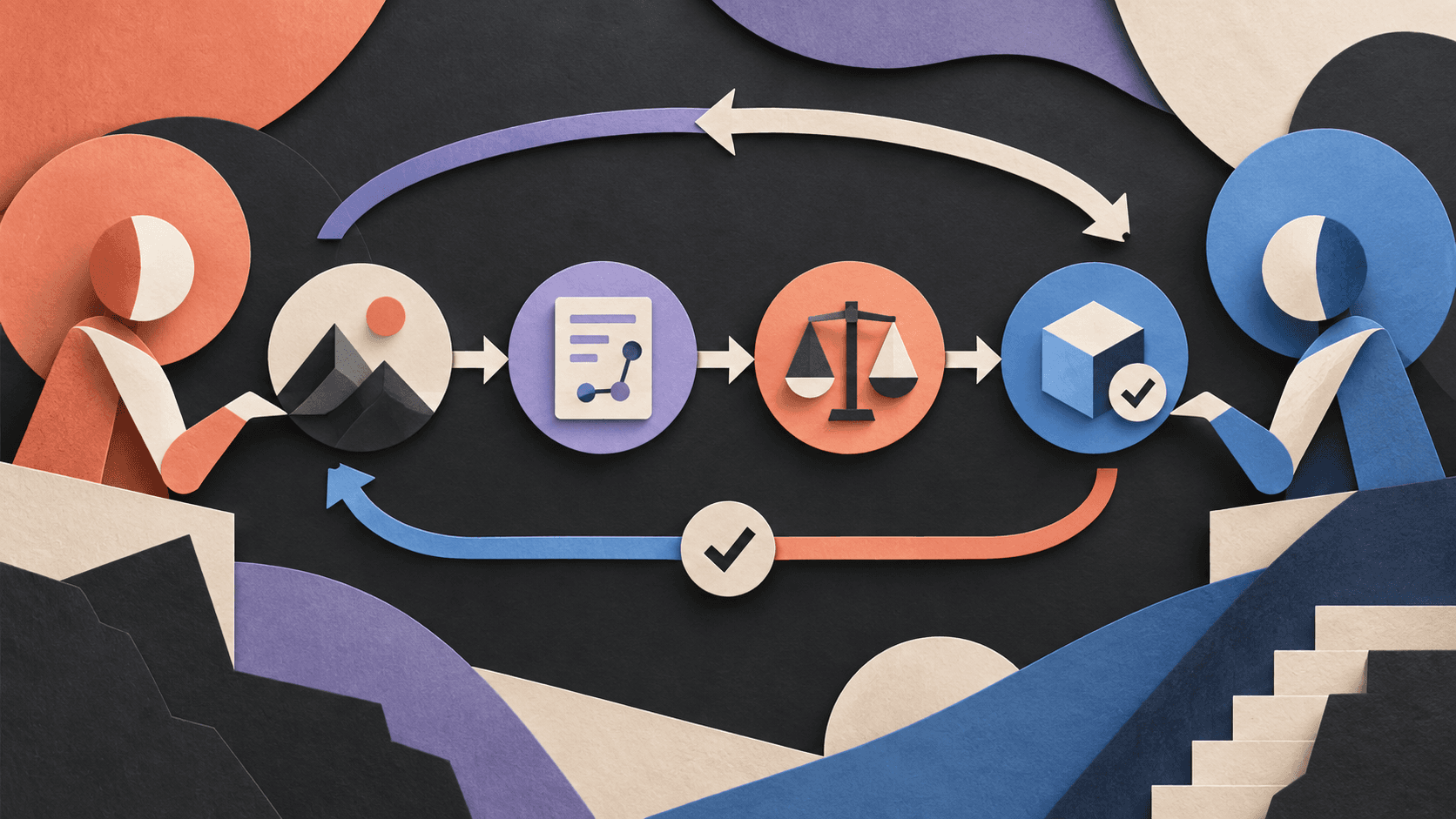
Claudex Loop Guide: Claude Code and Codex Cross-Review
A bounded cross-provider workflow can expose plan and implementation gaps, but two models agreeing is evidence of review—not proof that the code is correct.
How Claudex Loop uses reconnaissance, requirements, adversarial plan review, authorized building, proof checks, and independent inspection across Claude Code and Codex.
Read guide

Gauntlet Loop vs Claudex Loop: Which Workflow Fits?
Choose Gauntlet for reference-driven artifact refinement; choose Claudex for bounded software planning, cross-provider review, implementation, and inspection.
A practical comparison of Gauntlet Loop and Claudex Loop across goals, evaluators, workflow structure, setup, cost, stopping rules, and safety controls.
Read guide