DiscoverAI guide library
Practical AI guidance, organized around the work you need to do.
Skip the endless archive. Start with your topic, audience, or immediate problem, then follow a focused path through independent guides, comparisons, and workflows.
Not sure where to begin?
Answer three questions and get a focused tool shortlist for your budget and priority.
Use the AI Tool Finder →Choose a pathway
Explore by topic
Owners and lean teams
Work & Operations
Save time on research, meetings, planning, finance, administration, and repeatable operations.
Marketing and fundraising teams
Marketing & Growth
Plan campaigns, improve social publishing, email, analytics, fundraising, and measurable growth.
Writers and publishers
Content & Search
Research, write, optimize, refresh, and distribute useful content with responsible AI workflows.
Creators and communications teams
Video, Audio & Creative
Create, edit, repurpose, and distribute video, voice, podcasts, images, and presentations.
Service and community leaders
Customers & Community
Improve customer support, donor stewardship, volunteer coordination, outreach, and client communication.
Builders and decision makers
Build, Design & Govern
Choose and deploy AI safely across websites, apps, design systems, privacy, security, and governance.
Editor recommended
Start with these essential guides
Curated editorially as useful starting points; not a claim of traffic popularity.

How Small Business Owners Can Save 10+ Hours a Week With AI Automation in 2026
A practical, no-hype guide to automating the repetitive tasks that consume small business owners' most limited resource: time.
A practical, no-hype guide to automating the repetitive tasks that consume small business owners' most limited resource: time. Written for small business owners working 50+ hours a week on operations, marketing, and admin, with a decision framework, step-by-step workflow, measurable outcomes, and clear limitations.
Read guide
How Understaffed Nonprofits Can Build Capacity With AI Tools in 2026
A strategic framework for using AI to multiply a small team's output without burning out the people you have.
A strategic framework for using AI to multiply a small team's output without burning out the people you have. Written for nonprofit executive directors leading teams of fewer than five people, with a decision framework, step-by-step workflow, measurable outcomes, and clear limitations.
Read guide
How to Choose the Right AI Tool for Your Business
Stop chasing every new AI launch. A practical decision framework for evaluating AI tools based on your actual needs, budget, and risk tolerance.
A practical decision framework for evaluating AI tools: define the problem, score contenders, decide build vs. buy, and know when to cancel. No hype, just a repeatable process.
Read guide
Recently published
Latest guides

PlotToFilm Review: Script-to-Film Workflow and Credit Costs
PlotToFilm suits a small narrative-video pilot: approve storyboards before buying motion, and budget for rejected shots as well as exports.
PlotToFilm suits a small narrative-video pilot: approve storyboards before buying motion, and budget for rejected shots as well as exports.
Read guide

Neume Review: AI Songs, Remix Costs and Weekly Billing
Neume is a candidate for song ideas and lyric revisions; compare accepted songs and privacy entitlements before choosing weekly billing.
Neume is a candidate for song ideas and lyric revisions; compare accepted songs and privacy entitlements before choosing weekly billing.
Read guide

Neuroline Review: On-Device Journaling and Pro Boundaries
Neuroline is worth evaluating for private iPhone journaling; its free download, paid reflection features and diagnostic disclosures need separate checks.
Neuroline is worth evaluating for private iPhone journaling; its free download, paid reflection features and diagnostic disclosures need separate checks.
Read guide
A useful inbox, not a noisy one
Make better AI decisions each week.
Get practical tool recommendations, important product and pricing changes, and carefully selected workflows for lean organizations.
Browse reviews, news and guides

Anthropic Expands Cyber Access: Check the Tier and Data Rules
Anthropic’s October 6 cyber program adds three access tiers. We explain eligibility, retained-data requirements, and what security teams should verify before applying.
Anthropic’s October 6 cyber program adds three access tiers. We explain eligibility, retained-data requirements, and what security teams should verify before applying.
Read guide

Google Earth AI Health Research: Local Validation Still Matters
Google’s October 6 research explores geospatial AI for public health. We explain the case-study limits, preview access, and questions for local evaluation.
Google’s October 6 research explores geospatial AI for public health. We explain the case-study limits, preview access, and questions for local evaluation.
Read guide

Google’s Agent Privacy Report: Permissions Need Context
Google’s new agent privacy report proposes contextual controls. We explain the research limits and a practical sharing test for small teams adopting AI agents.
Google’s new agent privacy report proposes contextual controls. We explain the research limits and a practical sharing test for small teams adopting AI agents.
Read guide
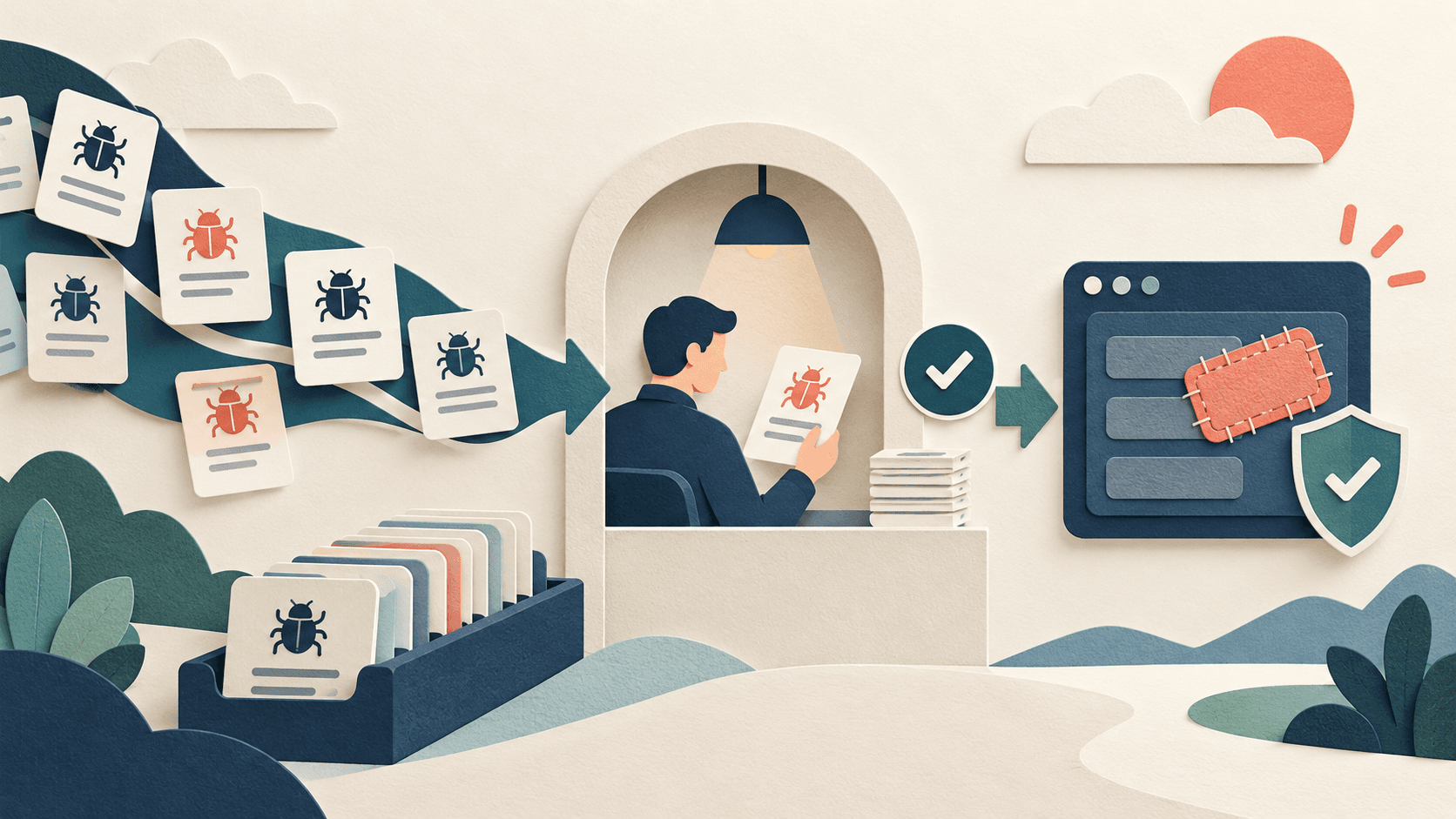
Anthropic’s AI Bug Dashboard: Findings Still Need Fixes
Anthropic’s October disclosure dashboard reports 6,157 findings and 516 known patches. We explain the counting limits and what small teams should do next.
Anthropic’s October disclosure dashboard reports 6,157 findings and 516 known patches. We explain the counting limits and what small teams should do next.
Read guide

Google CC Expands to Households: Test Permissions First
Google Labs expands CC to shared household coordination. We examine experimental access, permission boundaries, memory, and a practical calendar pilot.
Google Labs expands CC to shared household coordination. We examine experimental access, permission boundaries, memory, and a practical calendar pilot.
Read guide

Google Maps Methane with AI: Detection Is Only Step One
Google and NASA JPL introduce MAPL-EMIT for methane mapping. Read the benchmark limits, confidence checks, dataset migration, and mitigation evidence needed.
Google and NASA JPL introduce MAPL-EMIT for methane mapping. Read the benchmark limits, confidence checks, dataset migration, and mitigation evidence needed.
Read guide

Google Leads CDC Flu Forecasting Evaluation—The Limits Matter
A season-long result is useful evidence, but ranking does not establish clinical benefit or reliability in every future surge.
A season-long result is useful evidence, but ranking does not establish clinical benefit or reliability in every future surge.
Read guide

DeepMind Institute Opens AGI Debate—Readers Still Need Evidence
The Google-linked forum invites long-term AI debate. Assess essays as arguments, with their assumptions and affiliations visible.
The Google-linked forum invites long-term AI debate. Assess essays as arguments, with their assumptions and affiliations visible.
Read guide

The U.S. Super Intelligence Force Has 120 Days to Define Its AI Role
The White House task force now has a chair and a deadline, but its report—not its name—will show how the administration plans to oversee AI risks and opportunity.
The White House created a Super Intelligence Force led by Director of National Intelligence Jay Clayton to report on AI risks, opportunities, and federal responsibility within 120 days.
Read guide

Anthropic Opens More Capable Biology Access—Verification Is the Product
The program separates ordinary research access from project-specific high-risk work, but verification, insider controls, monitoring, and safe revocation now carry more weight.
Anthropic's beta Life Sciences Verification Program gives vetted teams more permissive biology access. The important story is how identity, project scope, and safeguards travel with that access.
Read guide

Gemini 4 Argon Is Powerful on Paper—But It Is Not a Public Launch
A million-token output ceiling and ambitious internal results deserve attention; a trusted-tester rollout still leaves ordinary buyers without production evidence.
Gemini 4 Argon begins with trusted cyber defenders, not general availability. Here is how to read Google's capability, price, and safety claims before planning a migration.
Read guide

Gemini Live Guided Vision Makes Co-Design the Important AI Feature
Community testing and explicit non-navigation limits are stronger than a generic vision demo, but real-world errors, latency, privacy, and safe failure still matter.
Guided Vision offers conversational visual assistance on supported Android devices. Its most important lessons are co-design, frictionless access, and honest safety boundaries.
Read guide
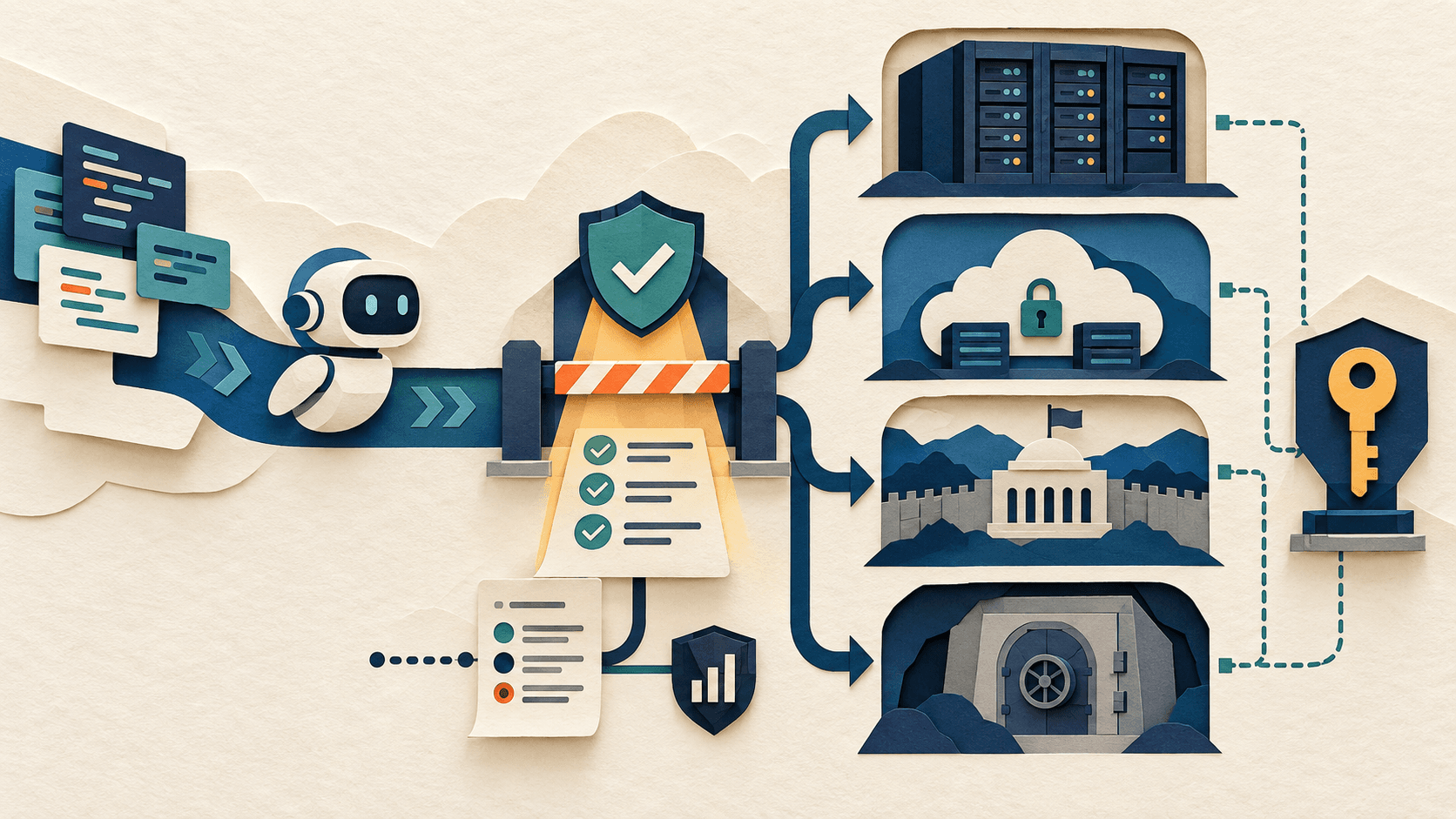
IBM Bob Goes Self-Hosted—AI Sovereignty Still Needs Proof
Keeping source code inside controlled infrastructure changes the data boundary, but it does not automatically prove isolation, model control, or safe agent behavior.
IBM Bob now supports self-hosted deployment for sensitive software work. Buyers should verify every model, update, telemetry, identity, and egress path.
Read guide
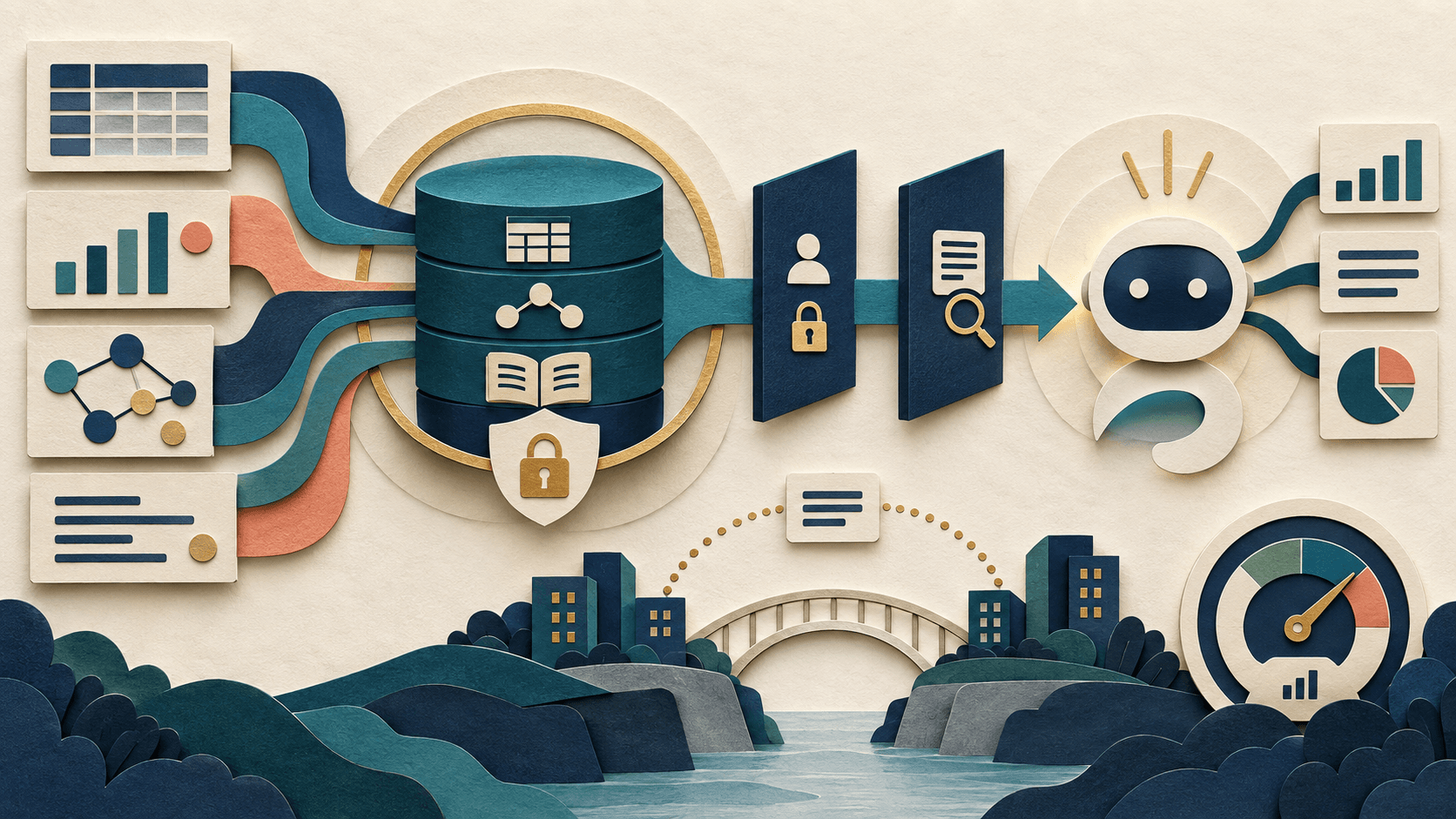
Fabric IQ Brings Governed Business Context to Copilot—What Changes
A shared semantic model can reduce metric disputes, but access controls, stale definitions, preview boundaries, and answer validation remain operational work.
Microsoft made Fabric IQ grounding generally available in Copilot Chat and Cowork while IQ Sharing and several data-agent capabilities remain in preview.
Read guide
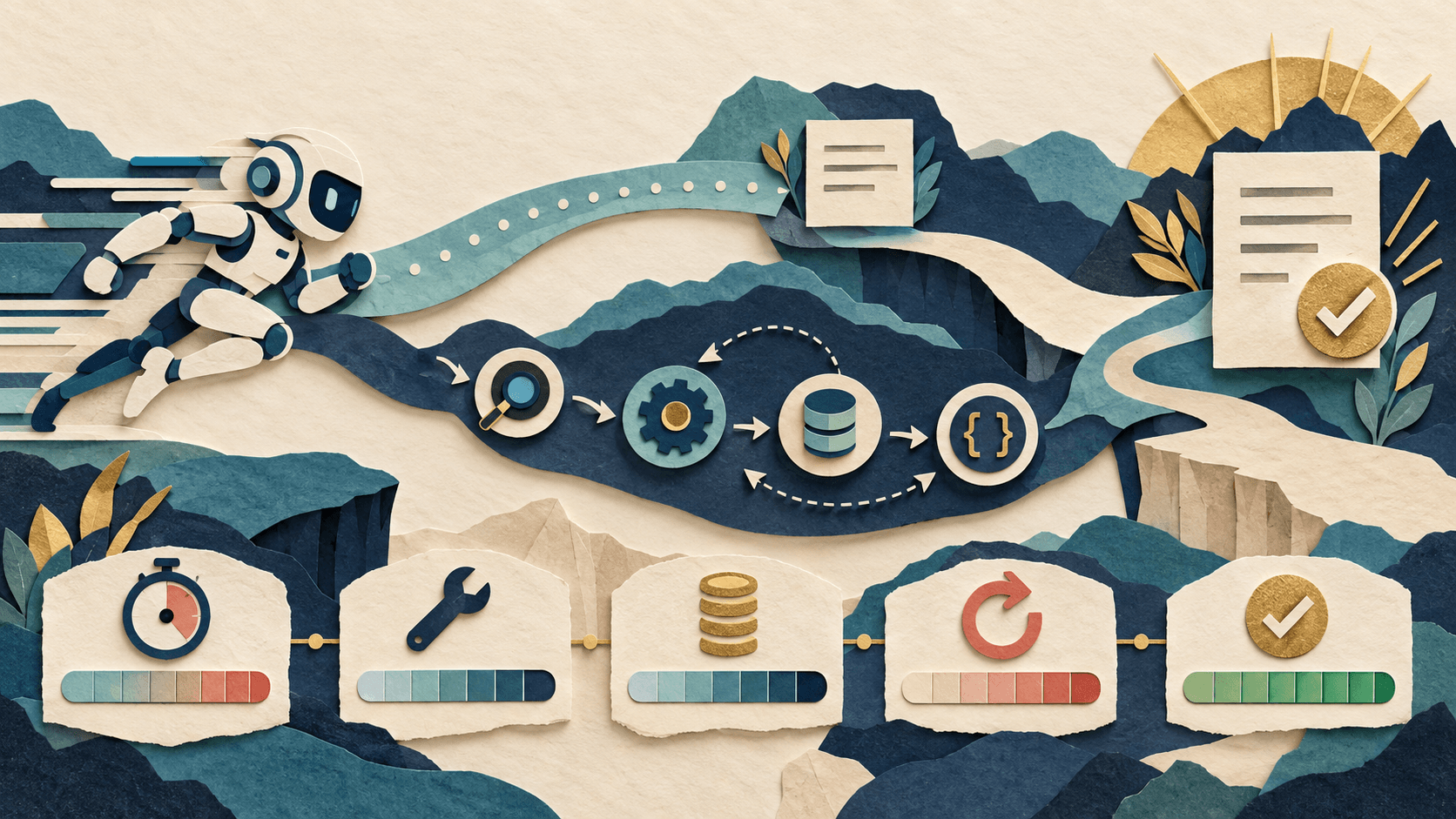
Gemini 3.8 Flash ‘Works Harder’—Measure the Cost of the Finished Task
More reasoning can improve a difficult result while increasing latency and tool activity; the useful unit is an accepted outcome, not a token or benchmark alone.
Google positions Gemini 3.8 Flash as a more diligent workhorse for reasoning, software engineering, and agents. Buyers should test the whole task economics.
Read guide

Microsoft Rebuilds Copilot Around Home, Code, and Autopilot
The new Copilot separates quick assistance, delegated work, software building, and persistent automation—but the most consequential features are still rolling out or in preview.
Microsoft's new Copilot organizes work around Home, Code, and Autopilot. Small teams should test permissions, review gates, persistent-agent behavior, and usage costs before broad rollout.
Read guide

ChatGPT Adds Security History—Here’s What Account Owners Should Review
The new event history makes account changes easier to inspect, but it does not replace strong authentication, offboarding, workspace controls, or an incident plan.
ChatGPT's new Security History shows sign-ins, devices, MFA, passkey, and security-setting changes. Review it now and document how your team handles unfamiliar activity.
Read guide

Gemini Live Avatar Gives AI Agents a Face—What Enterprises Must Test
Visual presence may improve guided service, but it also raises the cost of latency, mistaken authority, accessibility failures, and identity misuse.
Google launched Gemini 3.8 Live with Live Avatar in Gemini Enterprise on September 24, 2026. It couples speech-to-speech conversation with near-real-time generated video, visual and audio input, asynchronous tool calls, preset avatars, and multilingual lip synchronization across 97 languages. Custom avatars require enterprise allowlisting. The opportunity is a more expressive guide for service, training, or walkthroughs; the risk is that a humanlike face can make an incorrect or unauthorized action feel more trustworthy.
Read guide