In this guide
*This research-based analysis covers OpenAI's September 10, 2026 announcement and current help documentation. Product performance and customer outcomes are OpenAI's reported information unless otherwise identified. Connector availability and commercial terms can vary by plan, region, and workspace.*
Free AI tool buyer checklist
Make the next AI subscription earn its place.
Get the weekly top 5 AI tools, one practical workflow and one way to reduce AI spending. Includes a free buyer checklist.
The short answer
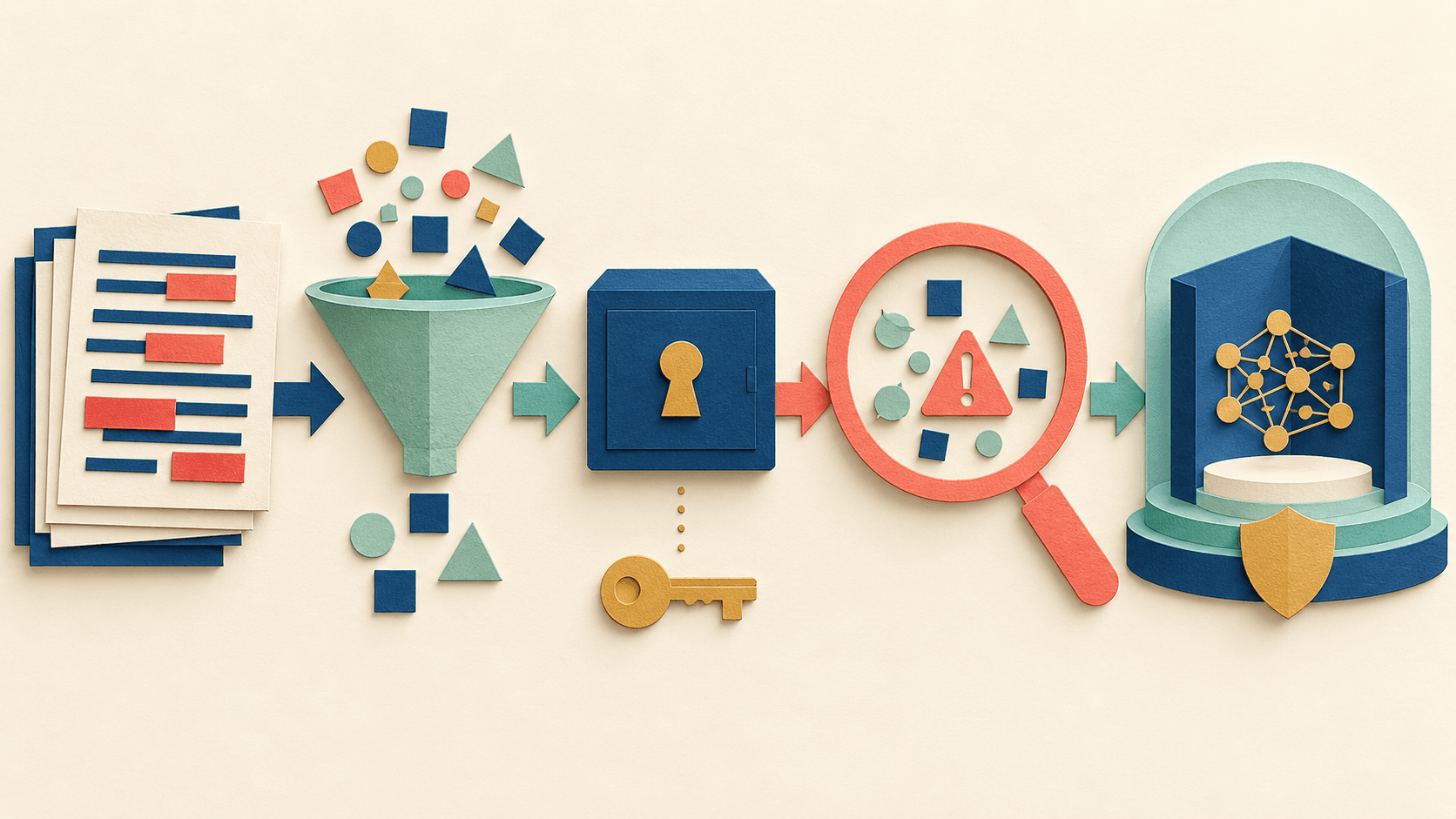
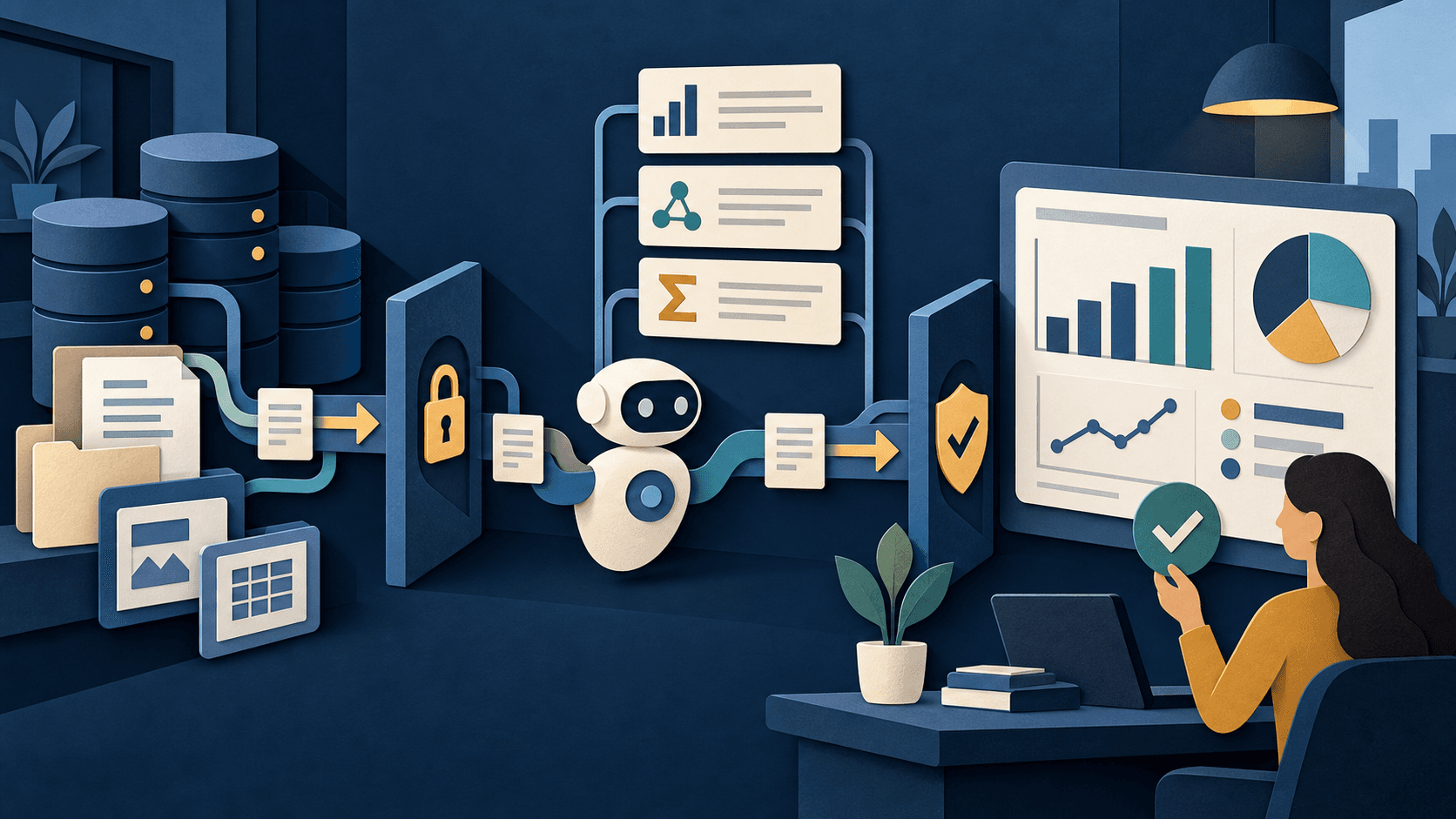
ChatGPT's Data agent is a plugin for ChatGPT Work and Codex that analyzes approved company data, investigates metric changes, and creates interactive dashboards and reports through natural-language requests. OpenAI lists connections including BigQuery, ClickHouse, Databricks, MongoDB, Redshift, Snowflake, Google Drive, and SharePoint, plus business context from semantic layers, dbt, GitHub, and BI systems.
Workspace administrators decide which plugins and sources are available, while queries inherit the connected account's table, row, and column permissions. That is a meaningful access boundary. It does not establish that a calculation, causal explanation, dashboard audience, or recommended action is correct.
What does the Data agent do?
Users can ask why a metric changed, refine the investigation in conversation, inspect evidence, and turn results into a refreshable dashboard. OpenAI says the agent can interact with tools such as Power BI, Tableau, Sigma, ThoughtSpot, Omni, and Oracle BI. It can also propose follow-up work and, when supported and approved, share through email or Slack or take actions in connected tools.
The differentiator is business context. A raw schema rarely explains which revenue definition is canonical, how refunds are treated, or which customer cohort a team means. The Data agent can use approved semantic layers, calculations, relationships, and existing dashboards to interpret those terms. Teams still need an owner for the definitions and a process for conflicting sources.
Who can access it, and what does it cost?
OpenAI says the Data plugin must be available in a user's ChatGPT Work or Codex workspace, and each required data-source plugin or app must also be installed and authorized. The launch material does not provide a universal standalone price for the Data agent. Total cost can include the qualifying OpenAI workspace, usage, third-party data or BI licenses, warehouse compute, implementation, monitoring, and review.
Administrators should confirm plan and regional eligibility, included usage, connector fees, refresh schedules, warehouse query cost, dashboard hosting, automation charges, and support. Model the cost per approved analysis or maintained dashboard rather than treating a plugin installation as the full price.
What permissions and privacy controls apply?
OpenAI says administrators control available connections and roles, and source queries enforce the connected identity's existing permissions. Its business-data policy says Business and Enterprise inputs and outputs are not used to train models by default and are encrypted in transit and at rest. Retention, residency, and advanced controls vary by qualifying plan.
One easily missed boundary appears in OpenAI's help documentation: when a generated site or dashboard is published, data used in the analysis can be copied into that published artifact. The publisher must choose the audience with care. A correct source permission does not automatically make every derived chart safe to share with a broader group.
How should a team pilot the Data agent?
Choose one recurring analysis with a frozen answer set. Include metric definitions, joins, time zones, late-arriving data, row-level restrictions, nulls, duplicate records, restatements, and a deliberately misleading correlation. Compare the agent's figures, SQL or evidence, visual labels, conclusions, and access behavior with an analyst-approved result.
Measure time to an accepted answer, reviewer corrections, warehouse cost, unsupported claims, permission failures, stale refreshes, and whether another employee can reproduce the result. Test a user who should see only one region and a dashboard that must not expose underlying records. Require approval before sending messages, updating systems, or publishing an artifact.
The verdict
The Data agent could reduce the queue between a business question and a first-pass analysis by bringing governed sources and business definitions into the conversational workspace. Its most useful feature is not automatic chart design; it is the attempt to preserve source permissions and semantic context while making analysis accessible.
Teams should deploy it as a governed analyst workbench, not a replacement for data ownership. Begin with read-only connections, verified definitions, restricted sharing, and a known-answer evaluation. Expand only when its evidence and numbers survive review—not merely when the dashboard looks finished.
Transparency
How this guide was checked
Editorial accountability
Who checked this guide
- Evaluation type
- Research-based verification
- Last materially checked
- Evidence
- 4 listed sources
Hands-on testing is identified explicitly. Research-based coverage uses cited product documentation and other named sources; it does not imply every paid plan was used. Read the full methodology.
Editorial basis
What this guidance is based on
- Editorial basis
- Source-led analysis
- Primary references
- 4
- Products covered
- 1
- Last checked
- 2026-09-11
Important limits
- • Features, availability, and pricing can change after publication; confirm consequential details with the provider.
Sources and references
References cited by this article. Check the original source for scope, dates and current terms.
Frequently asked questions
What is the ChatGPT Data agent?
It is a plugin for ChatGPT Work and Codex that can analyze approved company data, investigate business questions, and create interactive dashboards and reports from natural-language requests.
Which data sources does the ChatGPT Data agent support?
OpenAI lists sources including Redshift, BigQuery, ClickHouse, Databricks, MongoDB, Snowflake, Google Drive, and SharePoint, plus several semantic-layer and BI integrations. Availability depends on the workspace and installed plugins.
Does the Data agent bypass existing database permissions?
OpenAI says queries enforce the connected account's existing table, row, and column permissions. Administrators should still test identity mapping, derived outputs, sharing, and action controls before production use.
How much does the ChatGPT Data agent cost?
OpenAI has not published one universal standalone price in the launch material. Buyers should verify the required workspace plan, included usage, connector and BI licenses, warehouse compute, dashboard hosting, and automation costs.
Tools mentioned in this article
ChatGPT
The general-purpose AI assistant that started it all
OpenAI's flagship conversational AI model, powering everything from casual chat to complex reasoning, coding, and creative work.
Read next