DiscoverAI guide library
Practical AI guidance, organized around the work you need to do.
Skip the endless archive. Start with your topic, audience, or immediate problem, then follow a focused path through independent guides, comparisons, and workflows.
Not sure where to begin?
Answer three questions and get a focused tool shortlist for your budget and priority.
Use the AI Tool Finder →Choose a pathway
Explore by topic
Owners and lean teams
Work & Operations
Save time on research, meetings, planning, finance, administration, and repeatable operations.
Marketing and fundraising teams
Marketing & Growth
Plan campaigns, improve social publishing, email, analytics, fundraising, and measurable growth.
Writers and publishers
Content & Search
Research, write, optimize, refresh, and distribute useful content with responsible AI workflows.
Creators and communications teams
Video, Audio & Creative
Create, edit, repurpose, and distribute video, voice, podcasts, images, and presentations.
Service and community leaders
Customers & Community
Improve customer support, donor stewardship, volunteer coordination, outreach, and client communication.
Builders and decision makers
Build, Design & Govern
Choose and deploy AI safely across websites, apps, design systems, privacy, security, and governance.
Editor recommended
Start with these essential guides
Curated editorially as useful starting points; not a claim of traffic popularity.

How Small Business Owners Can Save 10+ Hours a Week With AI Automation in 2026
A practical, no-hype guide to automating the repetitive tasks that consume small business owners' most limited resource: time.
A practical, no-hype guide to automating the repetitive tasks that consume small business owners' most limited resource: time. Written for small business owners working 50+ hours a week on operations, marketing, and admin, with a decision framework, step-by-step workflow, measurable outcomes, and clear limitations.
Read guide
How Understaffed Nonprofits Can Build Capacity With AI Tools in 2026
A strategic framework for using AI to multiply a small team's output without burning out the people you have.
A strategic framework for using AI to multiply a small team's output without burning out the people you have. Written for nonprofit executive directors leading teams of fewer than five people, with a decision framework, step-by-step workflow, measurable outcomes, and clear limitations.
Read guide
How to Choose the Right AI Tool for Your Business
Stop chasing every new AI launch. A practical decision framework for evaluating AI tools based on your actual needs, budget, and risk tolerance.
A practical decision framework for evaluating AI tools: define the problem, score contenders, decide build vs. buy, and know when to cancel. No hype, just a repeatable process.
Read guide
Recently published
Latest guides

ORANO Review: Saved Videos, Action Plans and MCP Costs
ORANO is worth a small trial for turning saved videos into usable notes; its read-only MCP connection is a separate purchase from mobile Pro.
ORANO is worth a small trial for turning saved videos into usable notes; its read-only MCP connection is a separate purchase from mobile Pro.
Read guide

Music Video AI Review: Beat-Synced Drafts and Credit Costs
Music Video AI is a candidate for musicians exploring release visuals; compare the cost of an approved edit, not the number of advertised drafts.
Music Video AI is a candidate for musicians exploring release visuals; compare the cost of an approved edit, not the number of advertised drafts.
Read guide

hairforge Review: AI Beard Previews and Expiring Credits
hairforge can help prepare a beard-style discussion; use previews as visual ideas and check credit expiry before buying a pack.
hairforge can help prepare a beard-style discussion; use previews as visual ideas and check credit expiry before buying a pack.
Read guide
A useful inbox, not a noisy one
Make better AI decisions each week.
Get practical tool recommendations, important product and pricing changes, and carefully selected workflows for lean organizations.
Browse reviews, news and guides
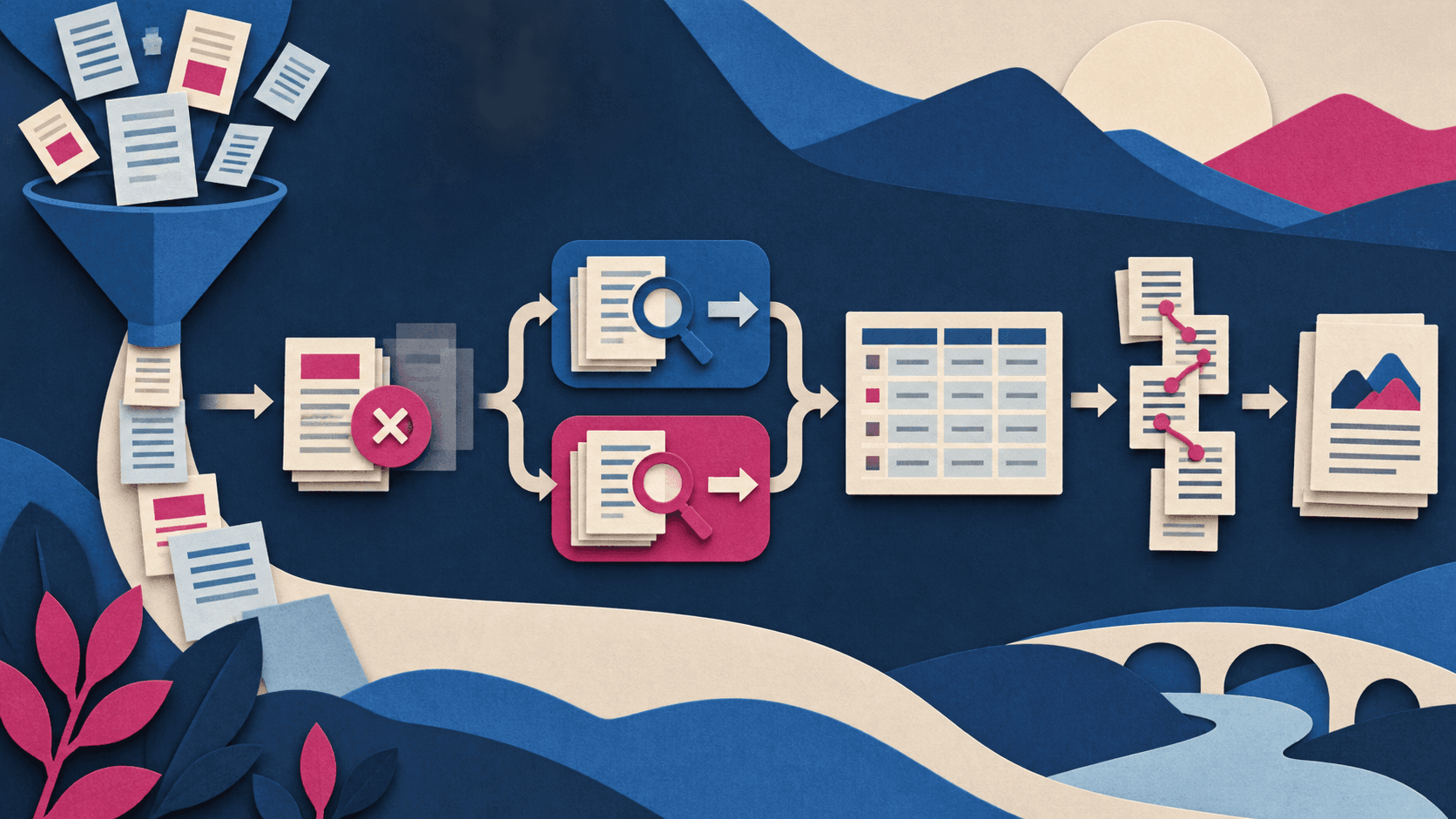
Paperguide Review 2026: Systematic Reviews, Pricing, and Fit
Paperguide reaches further into systematic-review operations than generic chat, but rigor depends on verified searches, human decisions, and exports.
Paperguide joins search, screening, extraction, citations, and PRISMA reporting. Compare it with your protocol on recall and traceability.
Read guide
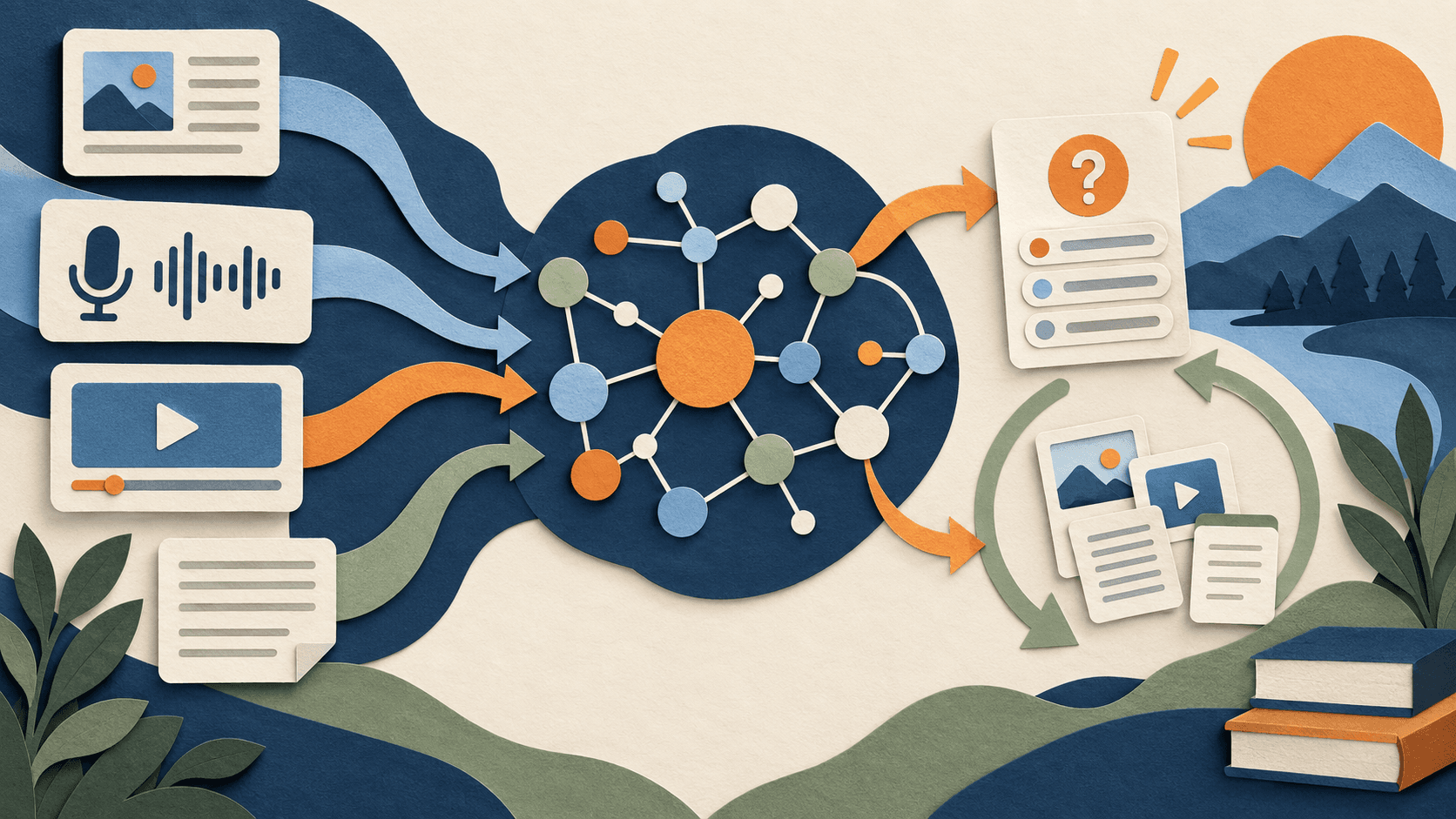
Recall Review 2026: Pricing, AI Knowledge Base, and Fit
Recall can turn scattered reading into a connected personal library, but summary accuracy, retrieval quality, privacy, and export completeness decide whether it lasts.
Recall combines read-later capture, summaries, a knowledge graph, AI chat, quizzes, API, and MCP. Test it against a real archive before committing.
Read guide

Litmaps Review 2026: Citation Maps, Pricing, and Fit
Litmaps can make citation chasing visible and repeatable, but no map can decide whether a paper is relevant, rigorous, current, or true.
Litmaps maps citations around seed papers and monitors connected research. Judge it by incremental relevant discoveries and reproducibility—not a beautiful graph.
Read guide
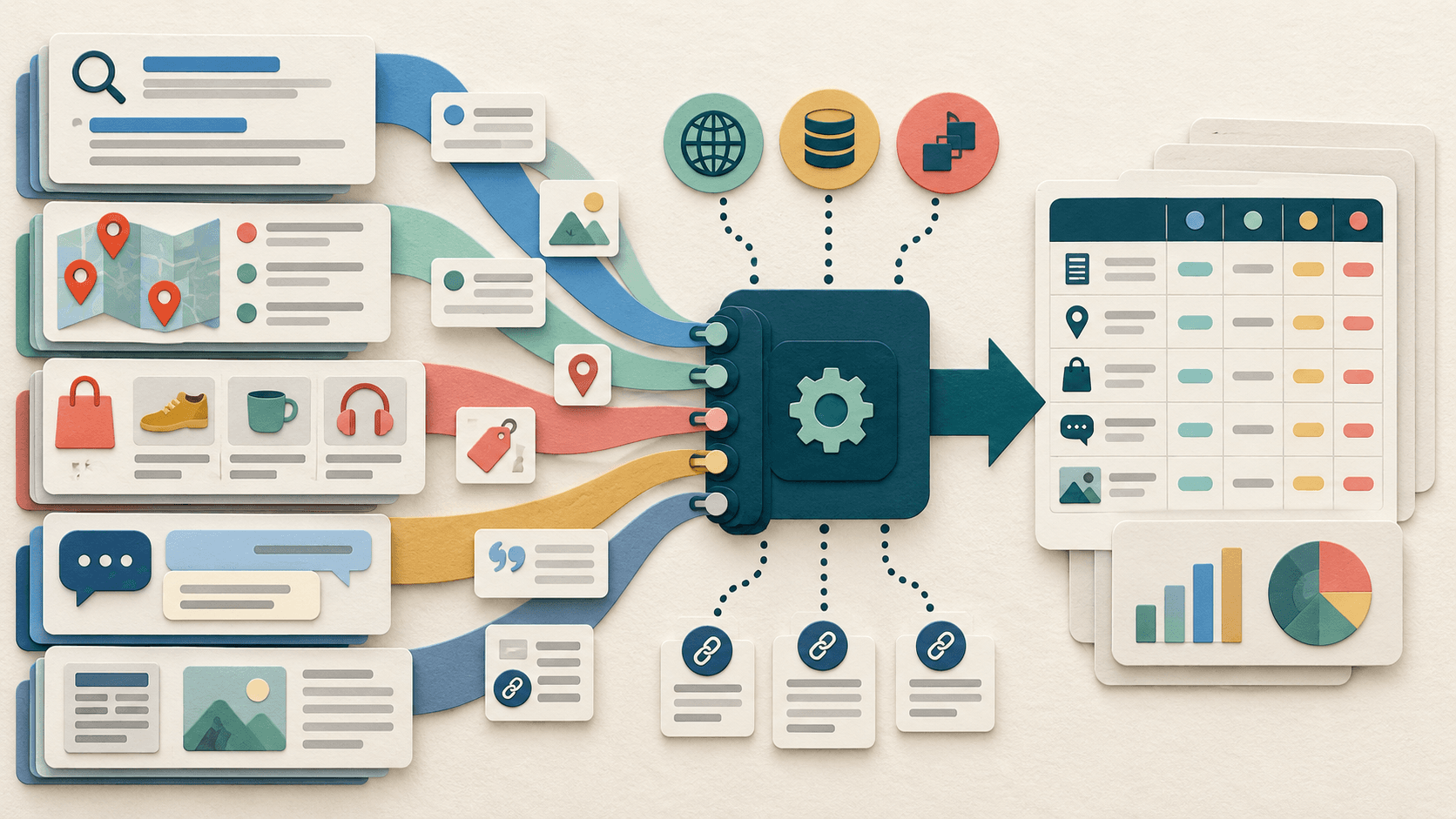
Cloro Review 2026: AI Search API, Pricing, and Fit
Cloro replaces multiple AI-search collectors with one structured API, but buyers still need to validate coverage, cost per usable observation, and upstream fragility.
A research-based Cloro review covering its multi-engine API, citations, regional targeting, MCP server, credit pricing, operational risks, and buyer test.
Read guide

Looppanel Review 2026: AI Interview Analysis, Pricing, and Fit
A strong interview-to-insight workflow does not remove the need to verify transcripts, quotes, permissions, exports, and full team economics.
Looppanel brings recording, transcription, analysis, clips, repository search, and AI access together for interview-heavy research teams.
Read guide

Condens Review 2026: AI Research Repository, Pricing, and Fit
Condens can turn studies into reusable organizational evidence, provided someone owns taxonomy, access, retention, and finding quality.
Condens joins structured qualitative analysis with a searchable research repository and plan-dependent AI and governance controls.
Read guide

ChatGPT for Financial Services Review 2026: Data, Controls, and Fit
Its advantage is the combination of models, licensed data, templates, and controls; its value depends on source coverage and fewer hours to an approved artifact.
ChatGPT for Financial Services is worth a controlled pilot for banks and investment teams that can audit data entitlements, formulas, citations, permissions, and final analyst work.
Read guide

Gemini for Windows Review 2026: Desktop Access, Privacy, and Fit
A global desktop app makes Gemini easier to reach; it does not make every active window, connected account, or generated answer appropriate to share or trust.
Gemini for Windows is convenient for people already using Google's ecosystem. Test whether shortcut access saves time after corrections, context selection, and privacy review.
Read guide

Happenstance Review 2026: AI Network Search, Pricing, and Privacy
Happenstance can recover valuable relationship paths from scattered accounts, but a larger searchable network also creates a larger consent and governance decision.
Happenstance searches connected relationship data for warm introduction paths. Judge it by accepted introductions, consent, and useful outcomes—not searchable contact count.
Read guide

Typefully Review 2026: AI, Scheduling, Pricing, and Fit
Typefully is strongest when a team needs a writing-and-review system for text-led social channels—not another machine for generating more posts.
Typefully combines writing, review, scheduling, analytics, and agent access. Judge it by approved posts and safe publishing, not output volume.
Read guide

Superhuman Mail Review 2026: AI, Pricing, and Fit
A fast inbox earns its premium only when it improves accepted replies, follow-through, and relationship outcomes—not keyboard activity.
Superhuman Mail combines high-speed email controls and AI assistance. Judge it by missed-message risk, accepted drafts, correction time, and outcomes per paid seat.
Read guide

WRITER Review 2026: Agents, Governance, Pricing, and Fit
The platform is strongest when a company needs reusable, permissioned workflows—not simply another place to ask an AI a question.
WRITER joins agents, company knowledge, playbooks, connectors, and centralized controls. Test accepted outcomes and full credit economics before scaling.
Read guide
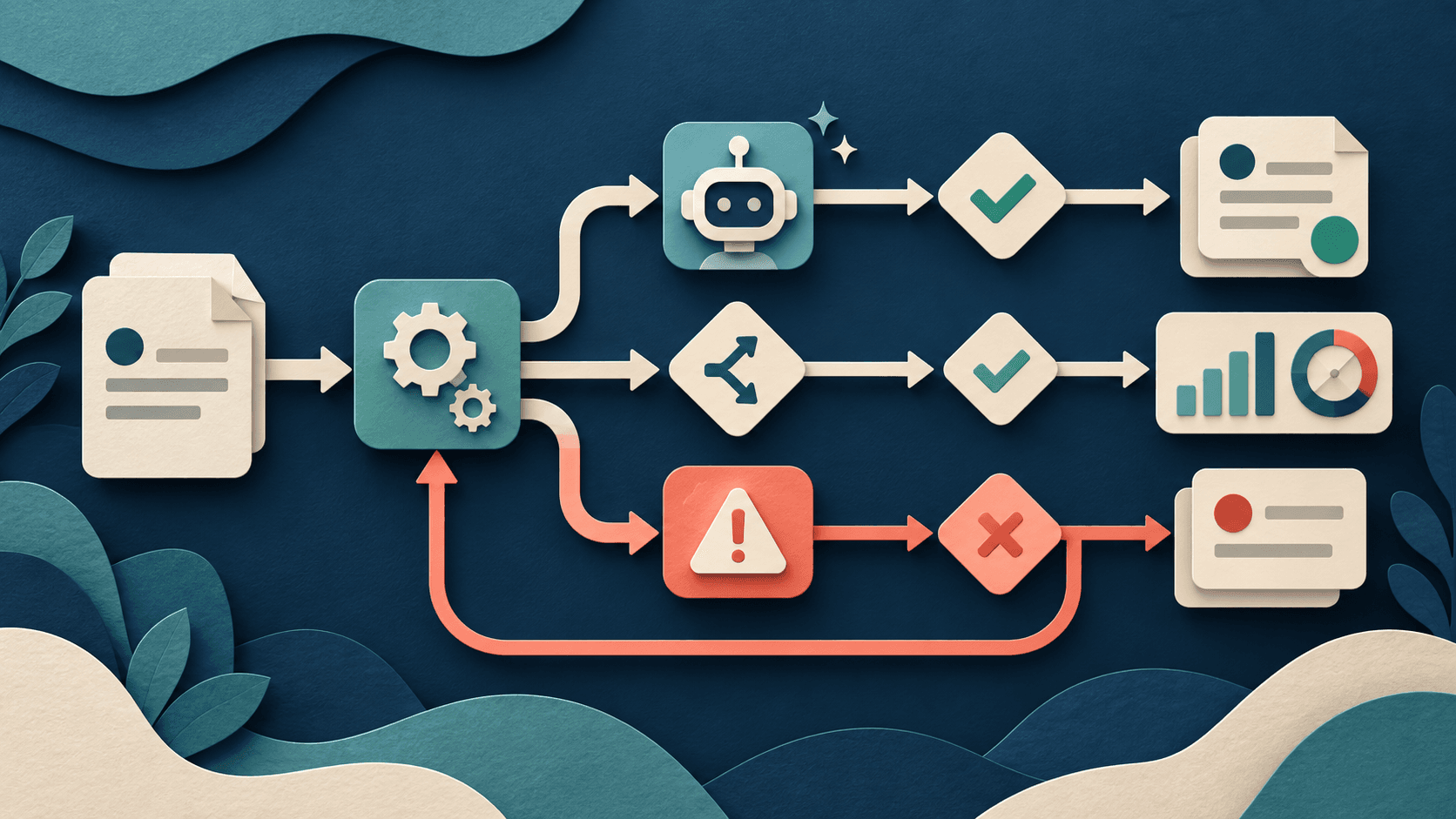
Make Review 2026: Automation, AI Agents, Pricing, and Fit
Make can expose complicated automation clearly, but a visual canvas does not remove the need for ownership, replay, budgets, and approval gates.
Make combines visual automation and AI agents. Judge it by reliable outcomes, operations per result, recovery, and maintenance—not the first successful demo.
Read guide

Synthflow Review 2026: Voice Agents, Pricing, and Call Risk
The right voice-agent metric is not calls answered; it is valid outcomes completed without trapping, misleading, or overcharging the caller.
Synthflow can automate bounded phone intents, but consent, latency, escalation, and cost per valid resolution decide whether it is ready for a live line.
Read guide

Photoroom Review 2026: Pricing, Credits & Product Fidelity
A research-based assessment of Photoroom's workflow, economics, controls, and operational fit.
Photoroom is a strong shortlist for sellers who repeatedly need clean, consistent product images without a full studio workflow. Its background, relighting, batch, fashion-model, video, and repair tools can compress production, but a plausible image is not necessarily an accurate product image. Buyers should measure approved assets per dollar after fidelity checks, corrections, credits, exports, and channel requirements.
Read guide
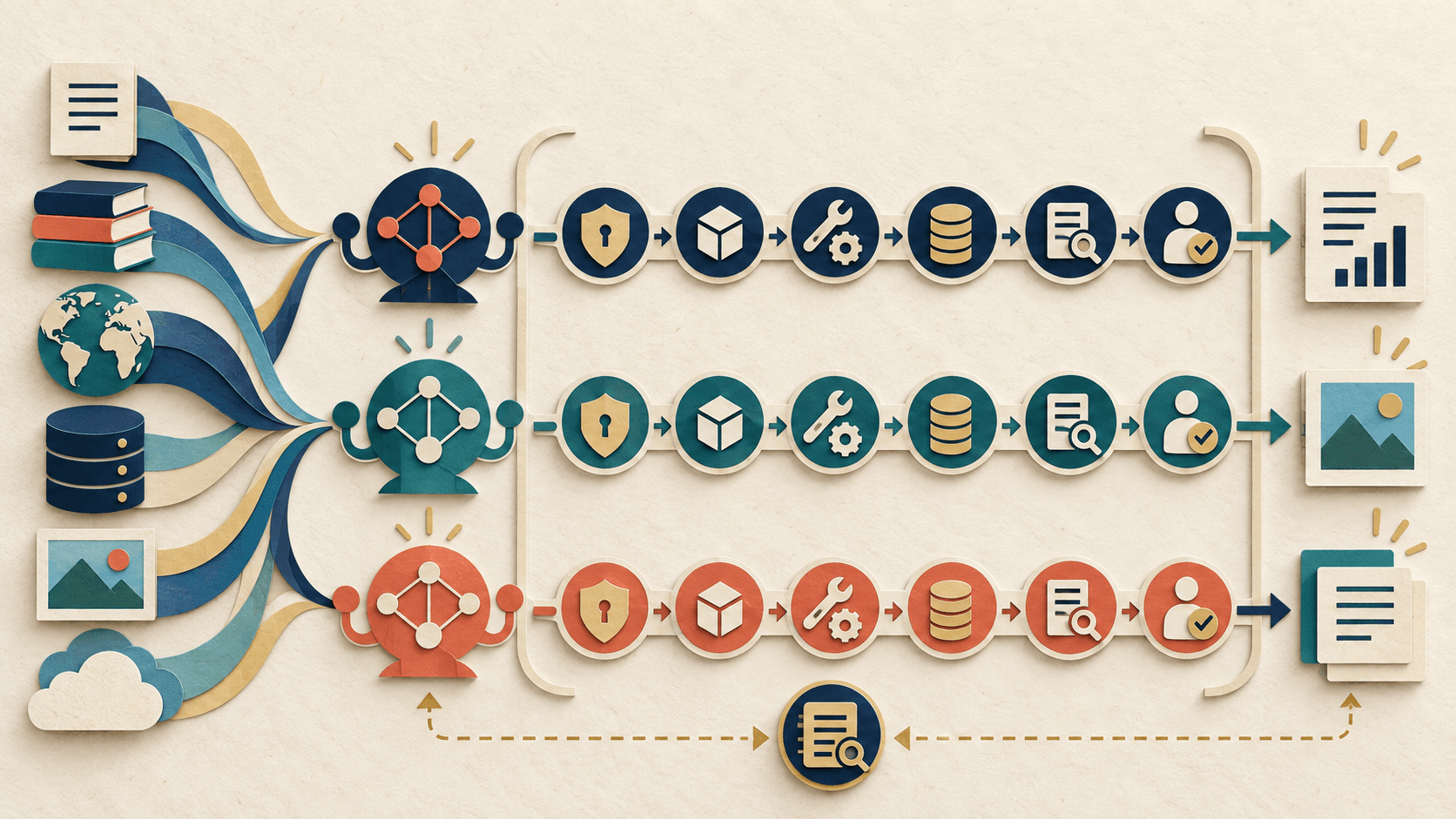
Dust Review 2026: AI Agents, Credits, Security & Fit
A research-based assessment of Dust's workflow, economics, controls, and operational fit.
Dust is worth testing for teams that want employees to build and operate shared AI agents over company knowledge and tools while retaining model choice and administrative controls. Its flexibility also creates the buying risk: every connector, agent instruction, tool permission, model, and credit-consuming action needs an owner. The relevant metric is accepted work per credit after review—not agents deployed.
Read guide

Pylon Review 2026: Agentic Support, Pricing & B2B Fit
A research-based assessment of Pylon's workflow, economics, controls, and operational fit.
Pylon is a credible shortlist for B2B support teams whose customer conversations and account context span Slack, email, chat, phone, and internal systems. Its agentic-support direction focuses on investigation and follow-through, not only deflecting simple questions. The catch is maturity and commercial clarity: the new agentic workflow remains in beta, broader access is staged, and pricing is moving toward seats plus usage credits.
Read guide

AliDrop Review 2026: Pricing, Automation, Pros & Cons
AliDrop can reduce product-import and order busywork, but supplier reliability, delivered margin, returns, and billing terms remain the seller's responsibility.
AliDrop is worth testing for Shopify-centered sellers who need product and order automation, provided they validate suppliers, delivered economics, and renewal terms first.
Read guide