Reviews, news and how-to guides
AI articles and reviews — page 10
Find a review, catch up on the news or learn how to complete a task. Browse by topic or filter the library below.
Not sure where to begin?
Answer three questions and get a focused tool shortlist for your budget and priority.
Use the AI Tool Finder →Choose a pathway
Explore by topic
Owners and lean teams
Work & Operations
Save time on research, meetings, planning, finance, administration, and repeatable operations.
Marketing and fundraising teams
Marketing & Growth
Plan campaigns, improve social publishing, email, analytics, fundraising, and measurable growth.
Writers and publishers
Content & Search
Research, write, optimize, refresh, and distribute useful content with responsible AI workflows.
Creators and communications teams
Video, Audio & Creative
Create, edit, repurpose, and distribute video, voice, podcasts, images, and presentations.
Service and community leaders
Customers & Community
Improve customer support, donor stewardship, volunteer coordination, outreach, and client communication.
Builders and decision makers
Build, Design & Govern
Choose and deploy AI safely across websites, apps, design systems, privacy, security, and governance.
Editor recommended
Start with these essential guides
Selected by the editors to help you get started.

How Small Business Owners Can Save 10+ Hours a Week With AI Automation in 2026
A practical, no-hype guide to automating the repetitive tasks that consume small business owners' most limited resource: time.
A practical, no-hype guide to automating the repetitive tasks that consume small business owners' most limited resource: time. Written for small business owners working 50+ hours a week on operations, marketing, and admin, with a decision framework, step-by-step workflow, measurable outcomes, and clear limitations.
Read guide
How Understaffed Nonprofits Can Build Capacity With AI Tools in 2026
A strategic framework for using AI to multiply a small team's output without burning out the people you have.
A strategic framework for using AI to multiply a small team's output without burning out the people you have. Written for nonprofit executive directors leading teams of fewer than five people, with a decision framework, step-by-step workflow, measurable outcomes, and clear limitations.
Read guide
How to Choose the Right AI Tool for Your Business
Stop chasing every new AI launch. A practical decision framework for evaluating AI tools based on your actual needs, budget, and risk tolerance.
A practical decision framework for evaluating AI tools: define the problem, score contenders, decide build vs. buy, and know when to cancel. No hype, just a repeatable process.
Read guide
Recently published
Latest articles
Scribe Review: Is AI Process Documentation Worth Paying For?
Evaluate Scribe for small-team process documentation: capture, export and redaction limits, ambiguous pricing and a practical handoff test.
Evaluate Scribe for small-team process documentation: capture, export and redaction limits, ambiguous pricing and a practical handoff test.
Read guide
Tango Review: AI Workflow Guides and the Limits of Free
Review Tango for small-team onboarding: free workflow limits, paid AI and exports, plan inconsistencies and a practical reader-completion test.
Review Tango for small-team onboarding: free workflow limits, paid AI and exports, plan inconsistencies and a practical reader-completion test.
Read guide
Chatbase Review: Support Agents, Credits and Human Handoffs
Assess Chatbase for small-business support: current plan boundaries, credit costs, knowledge quality and a test of escalation before launch.
Assess Chatbase for small-business support: current plan boundaries, credit costs, knowledge quality and a test of escalation before launch.
Read guide
The weekly briefing
Make better AI decisions each week.
Get tool recommendations, product and pricing news, and a practical task to try each week.
Browse reviews, news and guides

Superhuman Mail Review 2026: AI, Pricing, and Fit
A fast inbox earns its premium only when it improves accepted replies, follow-through, and relationship outcomes—not keyboard activity.
Superhuman Mail combines high-speed email controls and AI assistance. Judge it by missed-message risk, accepted drafts, correction time, and outcomes per paid seat.
Read guide

WRITER Review 2026: Agents, Governance, Pricing, and Fit
The platform is strongest when a company needs reusable, permissioned workflows—not simply another place to ask an AI a question.
WRITER joins agents, company knowledge, playbooks, connectors, and centralized controls. Test accepted outcomes and full credit economics before scaling.
Read guide
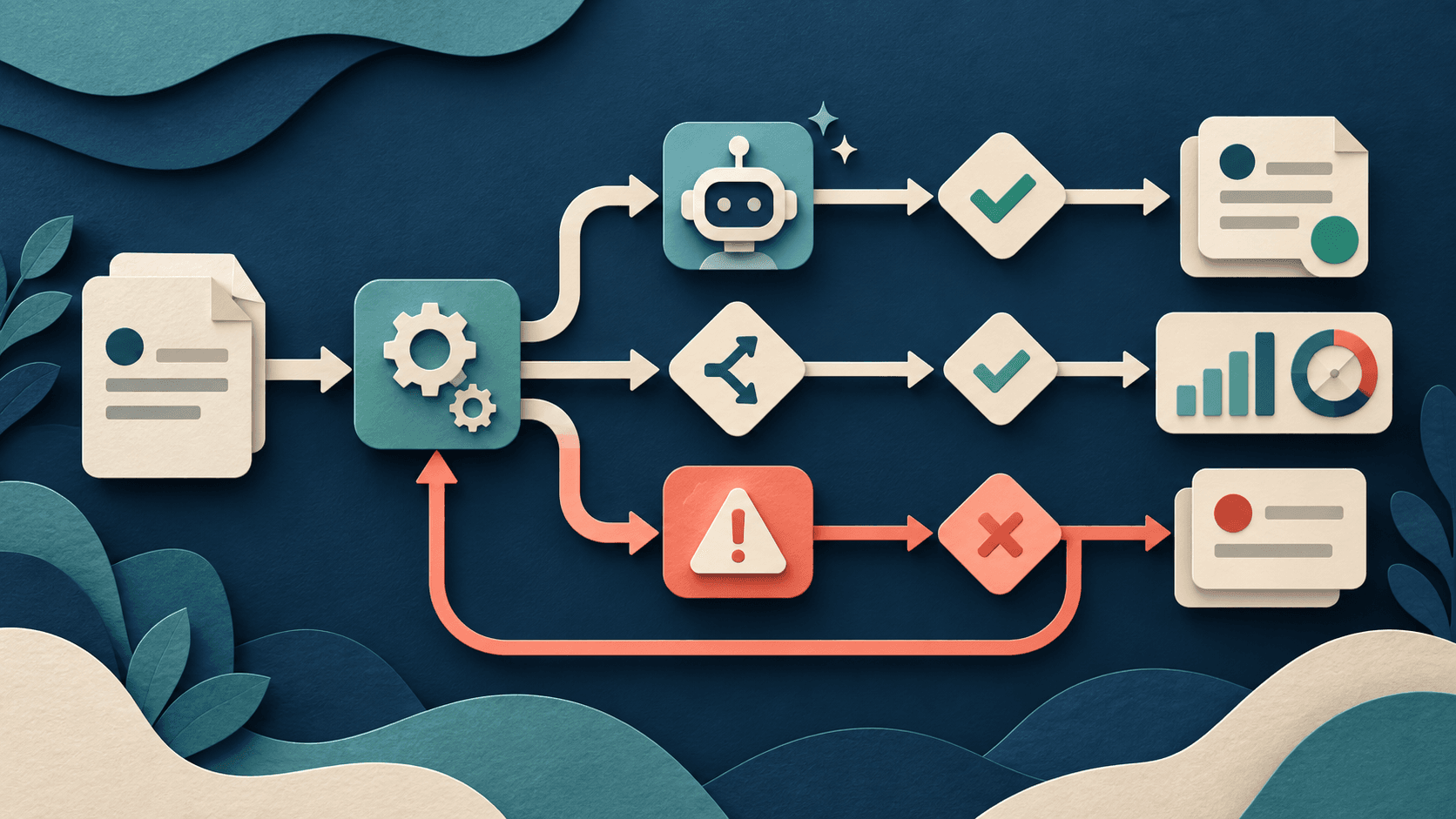
Make Review 2026: Automation, AI Agents, Pricing, and Fit
Make can expose complicated automation clearly, but a visual canvas does not remove the need for ownership, replay, budgets, and approval gates.
Make combines visual automation and AI agents. Judge it by reliable outcomes, operations per result, recovery, and maintenance—not the first successful demo.
Read guide

Synthflow Review 2026: Voice Agents, Pricing, and Call Risk
The right voice-agent metric is not calls answered; it is valid outcomes completed without trapping, misleading, or overcharging the caller.
Synthflow can automate bounded phone intents, but consent, latency, escalation, and cost per valid resolution decide whether it is ready for a live line.
Read guide

Photoroom Review 2026: Pricing, Credits & Product Fidelity
A research-based assessment of Photoroom's workflow, economics, controls, and operational fit.
Photoroom is a strong shortlist for sellers who repeatedly need clean, consistent product images without a full studio workflow. Its background, relighting, batch, fashion-model, video, and repair tools can compress production, but a plausible image is not necessarily an accurate product image. Buyers should measure approved assets per dollar after fidelity checks, corrections, credits, exports, and channel requirements.
Read guide
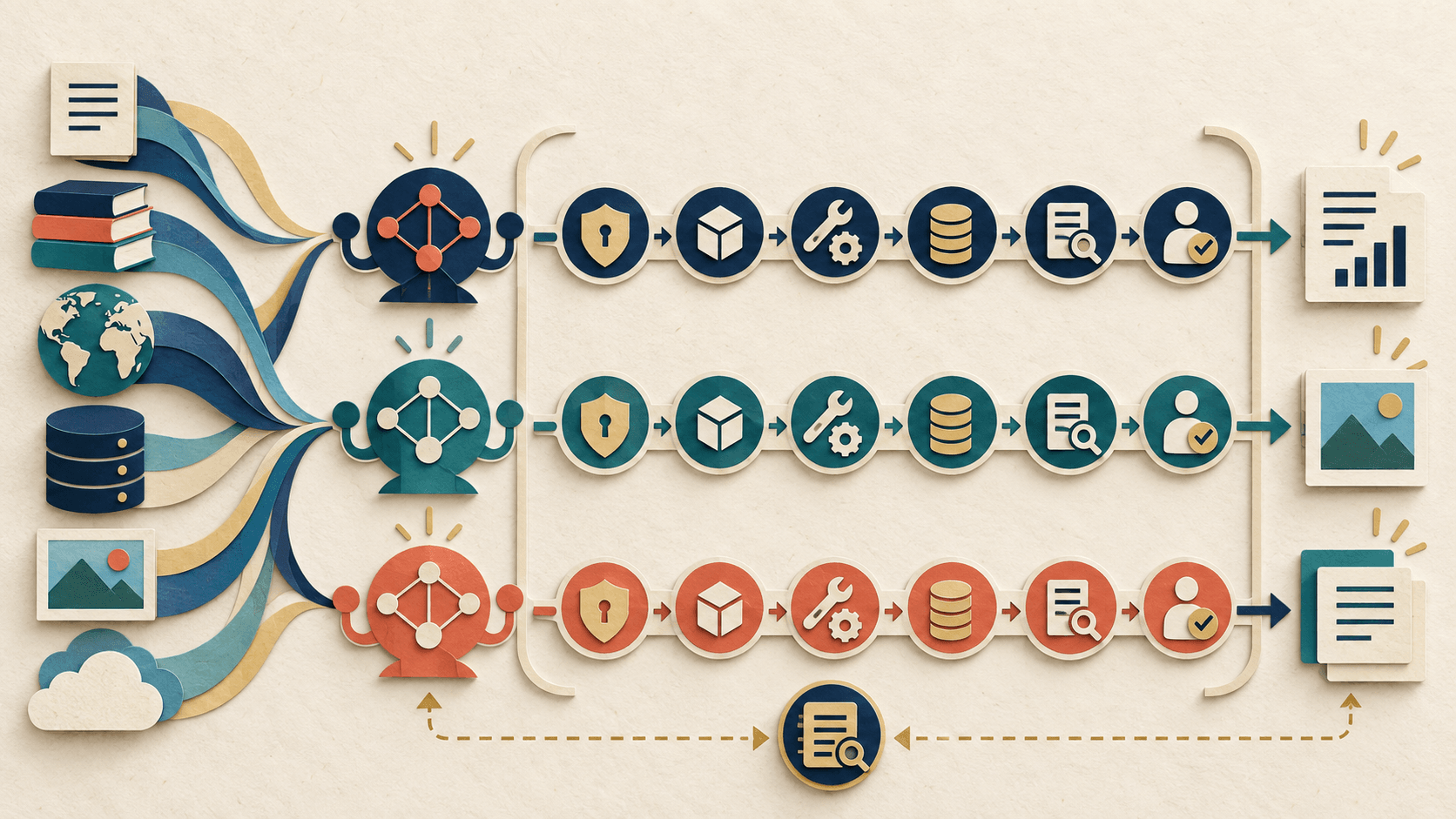
Dust Review 2026: AI Agents, Credits, Security & Fit
A research-based assessment of Dust's workflow, economics, controls, and operational fit.
Dust is worth testing for teams that want employees to build and operate shared AI agents over company knowledge and tools while retaining model choice and administrative controls. Its flexibility also creates the buying risk: every connector, agent instruction, tool permission, model, and credit-consuming action needs an owner. The relevant metric is accepted work per credit after review—not agents deployed.
Read guide

Pylon Review 2026: Agentic Support, Pricing & B2B Fit
A research-based assessment of Pylon's workflow, economics, controls, and operational fit.
Pylon is a credible shortlist for B2B support teams whose customer conversations and account context span Slack, email, chat, phone, and internal systems. Its agentic-support direction focuses on investigation and follow-through, not only deflecting simple questions. The catch is maturity and commercial clarity: the new agentic workflow remains in beta, broader access is staged, and pricing is moving toward seats plus usage credits.
Read guide

AliDrop Review 2026: Pricing, Automation, Pros & Cons
AliDrop can reduce product-import and order busywork, but supplier reliability, delivered margin, returns, and billing terms remain the seller's responsibility.
AliDrop is worth testing for Shopify-centered sellers who need product and order automation, provided they validate suppliers, delivered economics, and renewal terms first.
Read guide

LogoMe.ai Review 2026: Features, Pricing Caveats, and Fit
LogoMe can accelerate early logo exploration, but the final decision depends on originality, small-size performance, usable exports, clear rights, and the checkout total.
A research-based LogoMe.ai review for small organizations, covering its guided logo workflow, brand-kit promise, pricing uncertainty, rights checks, and a fair buyer test.
Read guide

Beautiful.ai Review 2026: AI Slides, Pricing, and Team Fit
Beautiful.ai is useful when repeatable layout quality matters more than total canvas freedom—and only if the final deck survives factual and handoff review.
Beautiful.ai accelerates consistent business presentations with adaptive Smart Slides. Test the finished deck, not the first prompt.
Read guide

Microsoft Copilot Review 2026: Plans, Agents, and Business Fit
Copilot's advantage is Microsoft 365 context; its risk is scaling old permission, content, and process problems with a faster interface.
Microsoft Copilot can reduce switching inside Microsoft 365, but buyers must separate included chat, paid seats, metered agents, and measurable outcomes.
Read guide

Taka AI Review 2026: Pricing, Credits, Pros & Cons
Taka can turn a brand brief into a reviewable week of channel-specific social content, but media credits, creative control, and approval quality decide its value.
A research-based Taka AI review for small teams, covering annual pricing, expiring media credits, brand learning, weekly planning, publishing controls, and fit.
Read guide

Notion AI Review 2026: Pricing, Agents, and Team Fit
The reason to buy is governed workspace context—not generic chat—and its value depends on knowledge quality, permissions, allowances, and credits.
Notion AI can consolidate search, meeting notes, research, and automation for teams already committed to Notion. Price the full plan and metered work.
Read guide

Reclaim AI Review 2026: Pricing, Calendar Automation, and Fit
Adaptive scheduling can protect important work, but a moving calendar needs shared rules, privacy review, human override, and measured results.
Reclaim AI is a serious free-to-paid option when focus time repeatedly loses to calendar changes. Measure completed work before expanding seats.
Read guide

Airtable Omni Review 2026: AI Apps, Pricing, and Fit
Omni can turn structured records into conversational apps and actions, but the real purchase is Airtable seats, data design, permissions, and governed AI capacity.
Airtable Omni is best for teams already using Airtable as an operational source of truth. Test permissions, correction time, AI credits, and maintainability before expanding seats.
Read guide

ClickUp Brain Review 2026: AI Pricing, Agents, and Fit
Brain brings assistants, models, artifacts, and agents into ClickUp's work graph; member pricing, credits, and workspace quality determine the return.
ClickUp Brain is strongest for teams whose authoritative tasks, docs, and discussions already live in ClickUp. Price the entire workspace and verify accepted time savings.
Read guide

Sierra AI Review 2026: Agents, Pricing & Enterprise Fit
A research-based assessment of Sierra's capabilities, economics, evidence, and operational fit.
Sierra is a serious shortlist for large customer-experience teams that want an AI agent to resolve—not merely summarize—customer requests across several channels. Its distinctive commercial idea is outcome-based pricing. That alignment is valuable only when the contract defines a successful outcome, exclusions, reversals, quality thresholds, and disputed attribution with unusual precision.
Read guide

OpenEvidence Review 2026: Clinical AI, Sources & Safety
A research-based assessment of OpenEvidence's capabilities, economics, evidence, and operational fit.
OpenEvidence is compelling for verified clinicians who need a fast, cited synthesis of medical literature at the point of care. Licensed journal and guideline access can make it more useful than a general chatbot for clinical questions. It remains decision support: citations can be misapplied, evidence can conflict or lag, and a fluent synthesis cannot see the patient, assume liability, or replace professional judgment.
Read guide