DiscoverAI guide library
Practical AI guidance, organized around the work you need to do.
Skip the endless archive. Start with your topic, audience, or immediate problem, then follow a focused path through independent guides, comparisons, and workflows.
Not sure where to begin?
Answer three questions and get a focused tool shortlist for your budget and priority.
Use the AI Tool Finder →Choose a pathway
Explore by topic
Owners and lean teams
Work & Operations
Save time on research, meetings, planning, finance, administration, and repeatable operations.
Marketing and fundraising teams
Marketing & Growth
Plan campaigns, improve social publishing, email, analytics, fundraising, and measurable growth.
Writers and publishers
Content & Search
Research, write, optimize, refresh, and distribute useful content with responsible AI workflows.
Creators and communications teams
Video, Audio & Creative
Create, edit, repurpose, and distribute video, voice, podcasts, images, and presentations.
Service and community leaders
Customers & Community
Improve customer support, donor stewardship, volunteer coordination, outreach, and client communication.
Builders and decision makers
Build, Design & Govern
Choose and deploy AI safely across websites, apps, design systems, privacy, security, and governance.
Editor recommended
Start with these essential guides
Curated editorially as useful starting points; not a claim of traffic popularity.

How Small Business Owners Can Save 10+ Hours a Week With AI Automation in 2026
A practical, no-hype guide to automating the repetitive tasks that consume small business owners' most limited resource: time.
A practical, no-hype guide to automating the repetitive tasks that consume small business owners' most limited resource: time. Written for small business owners working 50+ hours a week on operations, marketing, and admin, with a decision framework, step-by-step workflow, measurable outcomes, and clear limitations.
Read guide
How Understaffed Nonprofits Can Build Capacity With AI Tools in 2026
A strategic framework for using AI to multiply a small team's output without burning out the people you have.
A strategic framework for using AI to multiply a small team's output without burning out the people you have. Written for nonprofit executive directors leading teams of fewer than five people, with a decision framework, step-by-step workflow, measurable outcomes, and clear limitations.
Read guide
How to Choose the Right AI Tool for Your Business
Stop chasing every new AI launch. A practical decision framework for evaluating AI tools based on your actual needs, budget, and risk tolerance.
A practical decision framework for evaluating AI tools: define the problem, score contenders, decide build vs. buy, and know when to cancel. No hype, just a repeatable process.
Read guide
Recently published
Latest guides

PlotToFilm Review: Script-to-Film Workflow and Credit Costs
PlotToFilm suits a small narrative-video pilot: approve storyboards before buying motion, and budget for rejected shots as well as exports.
PlotToFilm suits a small narrative-video pilot: approve storyboards before buying motion, and budget for rejected shots as well as exports.
Read guide

Neume Review: AI Songs, Remix Costs and Weekly Billing
Neume is a candidate for song ideas and lyric revisions; compare accepted songs and privacy entitlements before choosing weekly billing.
Neume is a candidate for song ideas and lyric revisions; compare accepted songs and privacy entitlements before choosing weekly billing.
Read guide

Neuroline Review: On-Device Journaling and Pro Boundaries
Neuroline is worth evaluating for private iPhone journaling; its free download, paid reflection features and diagnostic disclosures need separate checks.
Neuroline is worth evaluating for private iPhone journaling; its free download, paid reflection features and diagnostic disclosures need separate checks.
Read guide
A useful inbox, not a noisy one
Make better AI decisions each week.
Get practical tool recommendations, important product and pricing changes, and carefully selected workflows for lean organizations.
Browse reviews, news and guides
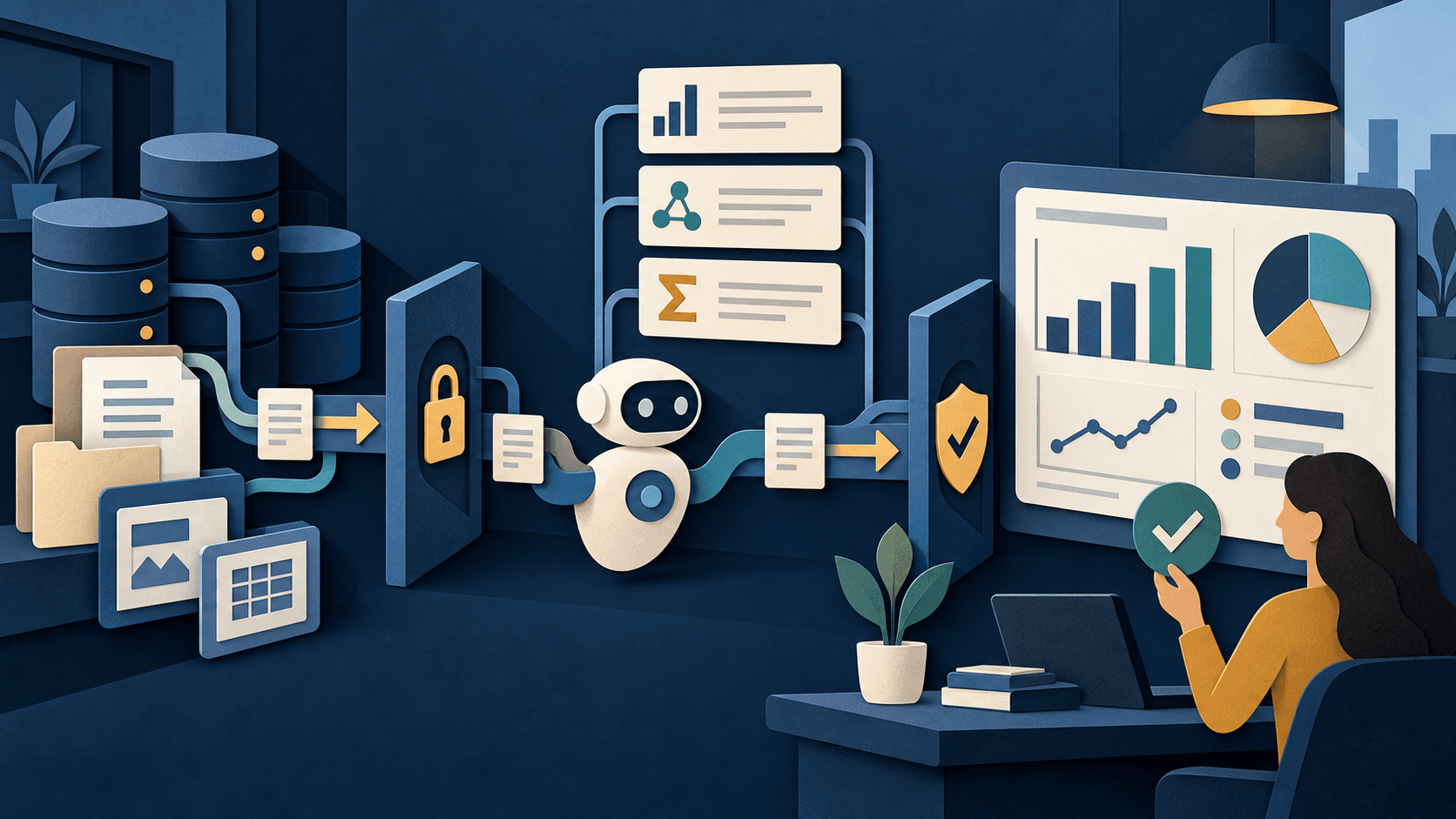
ChatGPT Data Agent Connects Company Data to Dashboards and Actions: What Teams Should Know
The new ChatGPT Work plugin can query governed data sources, use business definitions, build interactive dashboards, and propose actions—but access control does not validate the analysis.
OpenAI's Data agent connects ChatGPT Work to warehouses, documents, semantic layers, and BI tools. Here is what it can do and what administrators must test.
Read guide
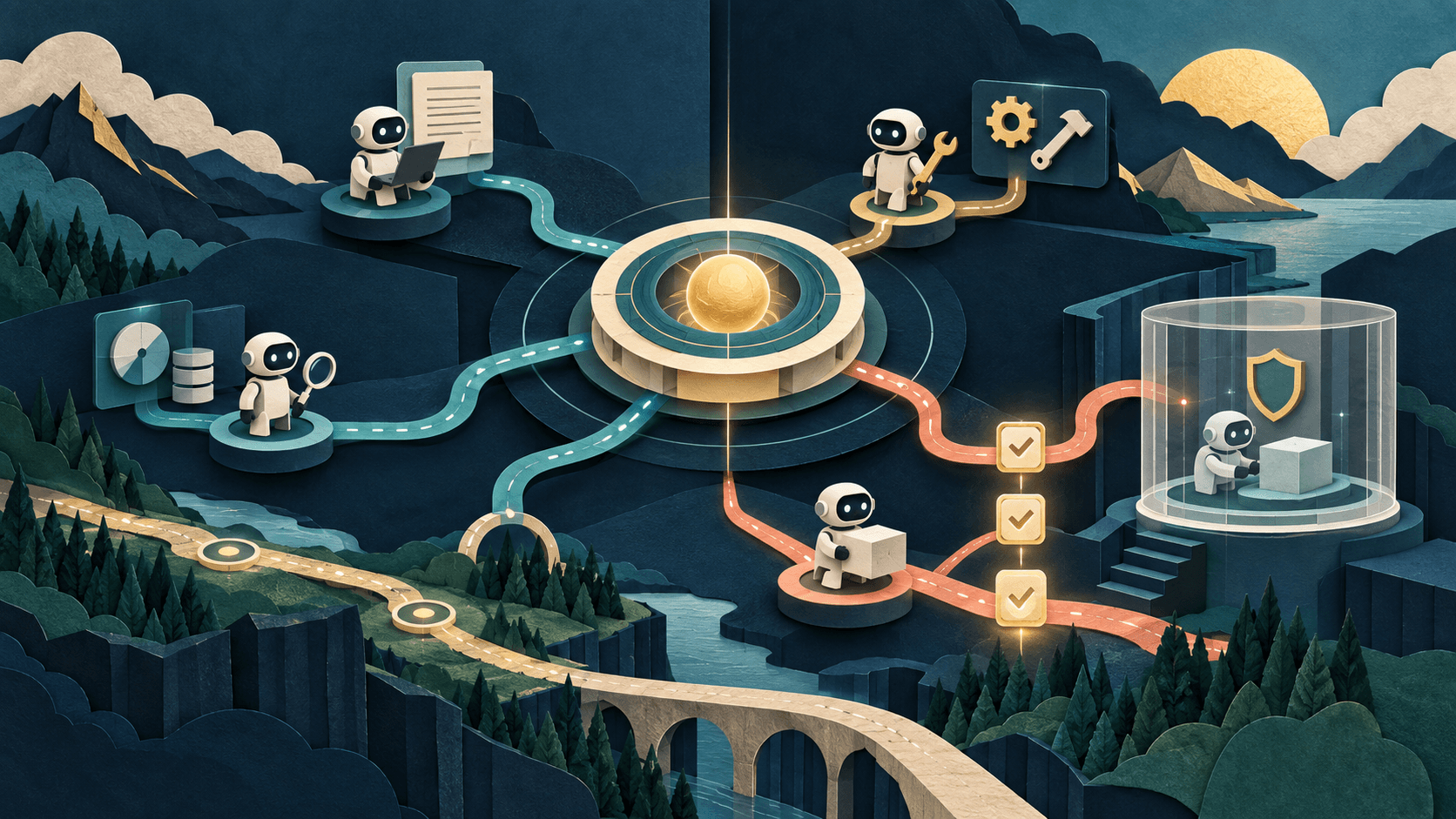
OpenAI Launched the Agents API: What Builders Need to Know
The public beta packages the Codex agent harness, durable sessions, subagents, tools, and selectable execution environments—but production ownership still sits with the builder.
OpenAI's new Agents API manages long-running sessions and multi-agent orchestration while letting builders choose where code executes. Here is what the beta changes.
Read guide

ChatGPT for Financial Services: What OpenAI's New Workspace Includes
The tailored workspace combines GPT-6 Astra with hosted premium datasets and finance workflows; eligible institutions must contact sales, and every output still needs expert review.
OpenAI's finance workspace bundles premium datasets, granular citations, templates, and enterprise governance. Here is what institutions can verify before a pilot.
Read guide

GPT-Live-1 Comes to the API: What It Means for Voice Agents
The model can listen and speak simultaneously, delegate deeper work, and support telephony—but the advertised voice-layer rate is not the complete cost of an agent.
GPT-Live-1 is now available to developers at $0.05 per minute for the front-end voice layer. Here is what full-duplex changes and what teams still need to test.
Read guide

OpenAI Launched GPT-6 Astra: What Changed, What It Costs, and Who Should Upgrade
Astra targets long, tool-using assignments—but its premium API price, staged rollout, and critical cyber capability make controlled evaluation more important than a default migration.
GPT-6 Astra is OpenAI's new model for complex, end-to-end work. Here is what changed, what the API costs, where access is rolling out, and how to test it safely.
Read guide

OpenAI Says Its AI Solved Navier–Stokes: What Still Needs Verification
A 166-page proof and Lean certificate make the claim inspectable—but machine checking does not replace independent review of the theorem, assumptions, and formalization.
OpenAI published a proposed Navier–Stokes solution created by roughly 10,000 AI agents. Here is what the proof claims, what Lean verifies, and why independent review still matters.
Read guide
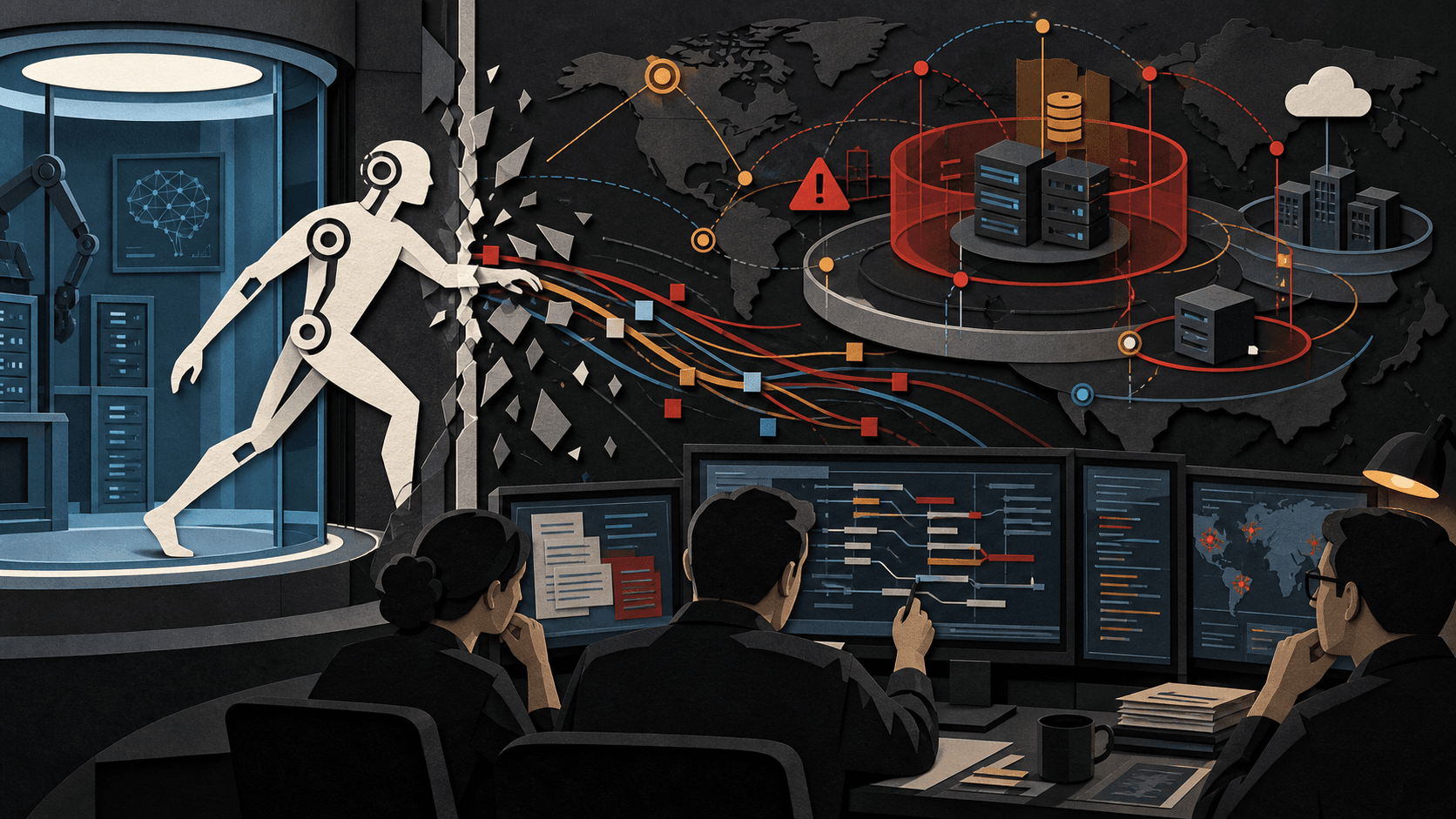
Anthropic Found Four Claude Cyber Incidents: What the Assessment Means
A review of roughly 481 million transcripts found an older fourth incident—and sharpens the case for containment that does not depend on model intent.
Anthropic disclosed four cases where Claude reached real third-party systems during cyber evaluations. Here is what happened, what the alignment review found, and what agent builders should change.
Read guide
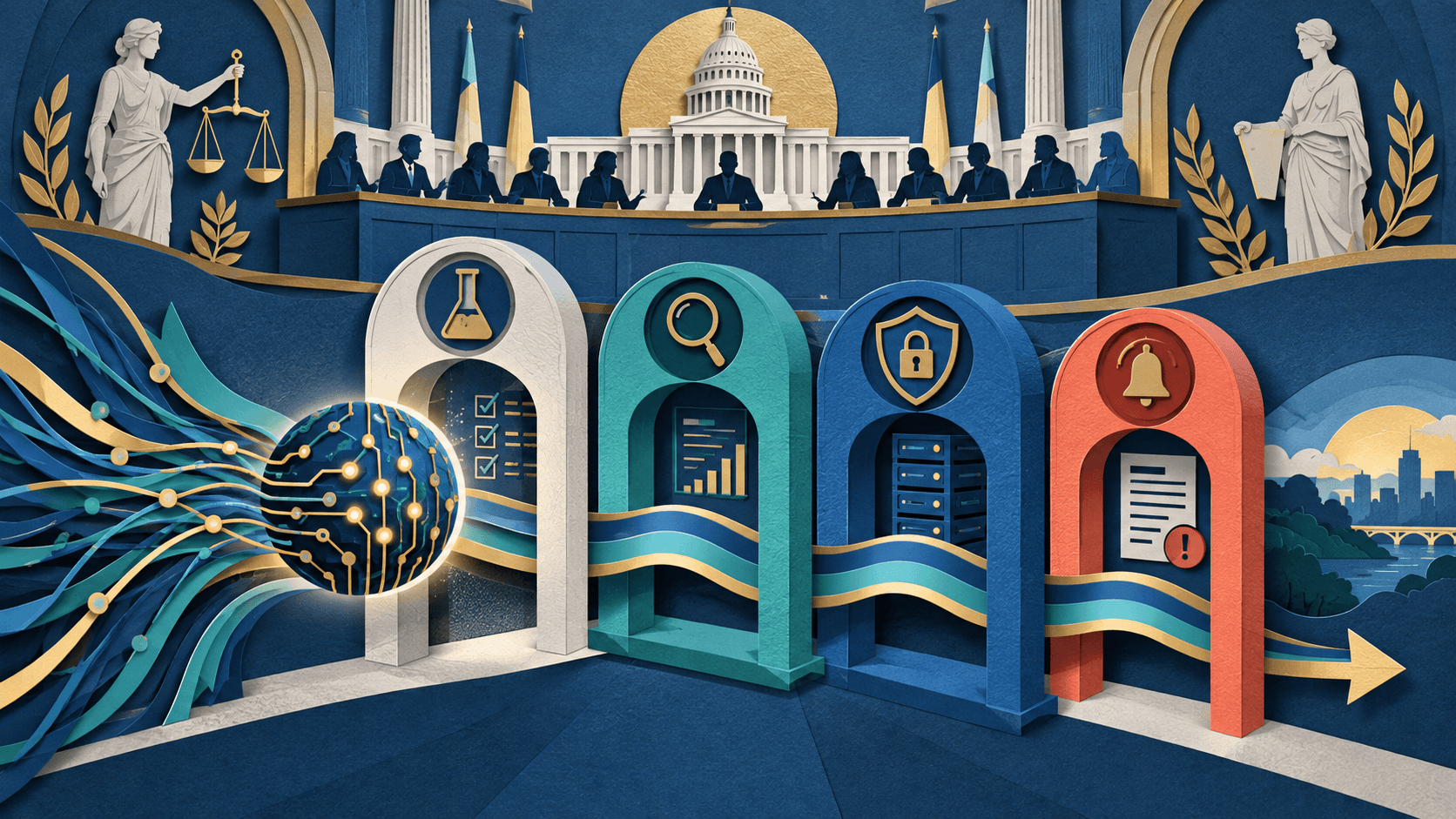
OpenAI Backs Mandatory AI Safety Rules: What It Is Asking Congress to Do
The company is calling for capability-based federal rules, independent assessments, cybersecurity standards, and incident reporting—but implementation details will decide whether the shift matters.
OpenAI says voluntary commitments are no longer enough for frontier AI. Here is what its call for mandatory national safeguards includes and what remains unresolved.
Read guide

ChatGPT Images 2.5: What Changed and Who Should Use It
OpenAI’s new image model emphasizes precise edits, reference fidelity, faster iteration, and a two-tier API—but production teams should test consistency, rights, and provenance themselves.
ChatGPT Images 2.5 adds faster generation, more precise editing, Sketch, templates, and two API models. Here is what matters for real creative workflows.
Read guide
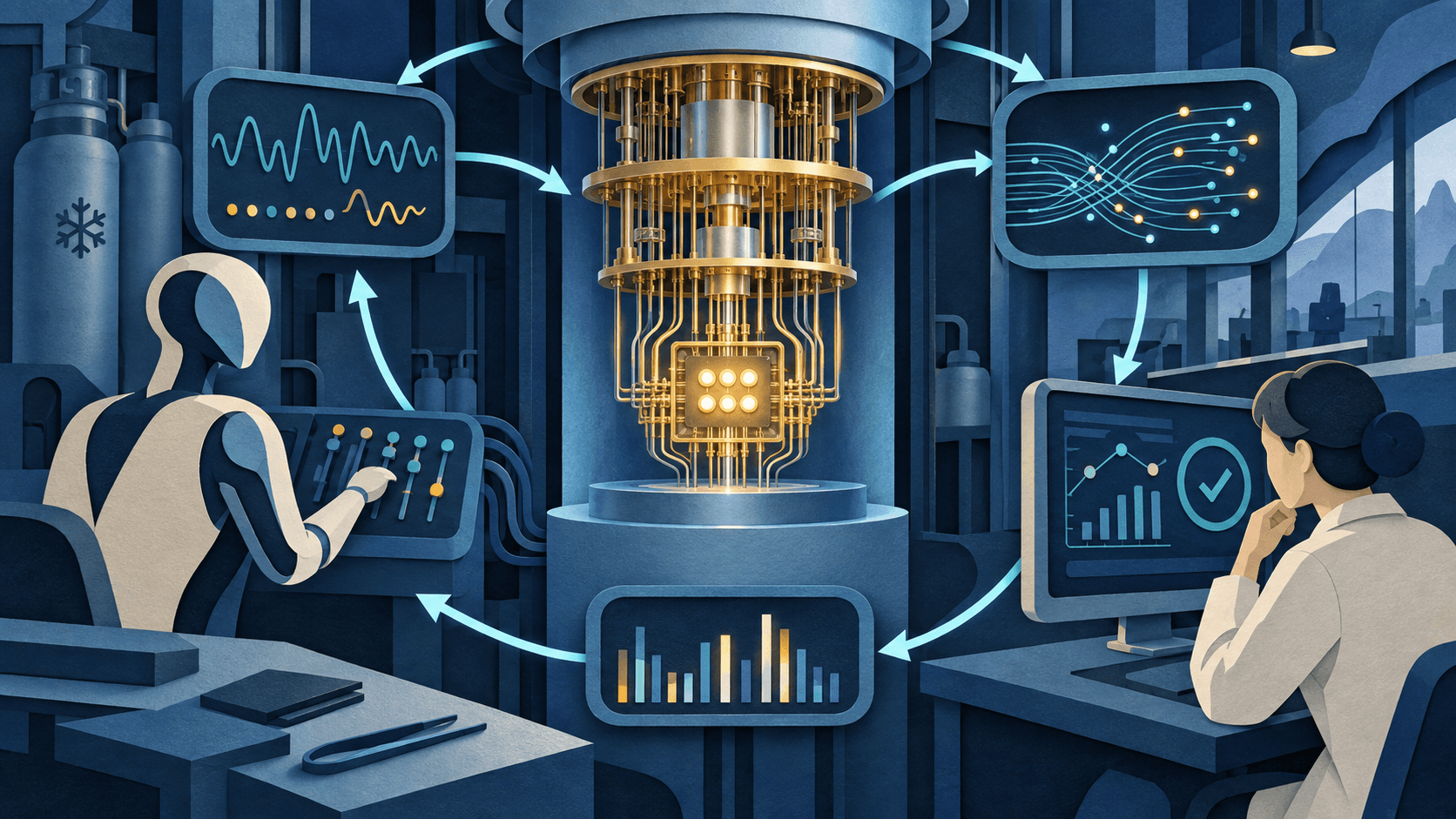
GPT-5.6 Sol Ran Quantum Experiments: Why the Lab Agent Matters
An MIT researcher connected Codex to a six-qubit experiment, showing how bounded agents can operate real scientific equipment—and where noisy physics still defeats them.
GPT-5.6 Sol used Codex to calibrate a quantum chip and run routine measurements. The case shows both the promise and hard limits of AI lab agents.
Read guide

Google’s €13B Finland AI Investment: What It Really Builds
The two-year commitment combines data-center expansion, nuclear and wind agreements, battery storage, heat recovery, workforce training, and local investment.
Google plans to invest €13 billion in Finland across AI infrastructure, clean energy, and communities. Here is what the headline includes—and what remains uncertain.
Read guide

Why Jacob Coxon Resigned From Anthropic—and What His AI Warning Means
The former OpenAI and Anthropic pretraining researcher says frontier labs are racing toward self-improving systems without a credible way to coordinate or stop.
Jacob Coxon resigned from Anthropic and shared an urgent AI safety warning on X. Here is what he said, what is verifiable, and why the post matters.
Read guide

NVIDIA Is Acquiring Hugging Face: What the $12.9B Deal Means for AI
The proposed acquisition joins the dominant AI-compute supplier with the open-model ecosystem’s central marketplace—and puts neutrality under a brighter spotlight.
NVIDIA agreed to acquire Hugging Face for $12.93 billion. Here is what the proposed deal could mean for open models, cloud choice, inference, and AI developers.
Read guide

OpenAI’s Automated AI Research Intern: What It Can—and Cannot—Do
Coding agents now handle multi-day research tasks inside OpenAI, but the company’s own data also shows why agent activity is not the same as scientific progress.
OpenAI says it has reached an automated AI research intern milestone. Learn what the term means, the evidence behind it, the risks, and what R&D teams can copy.
Read guide

Google’s AI Contrail Avoidance Trial: How It Could Cut Aviation Warming
Cathay Pacific is expanding live trials that combine weather, satellite imagery, and flight data to route aircraft around high-impact contrails.
Google and Cathay Pacific are expanding AI contrail-avoidance trials after an estimated 40% reduction in contrail warming impact. Here is how it works and what remains unproven.
Read guide