In this guide
The short answer
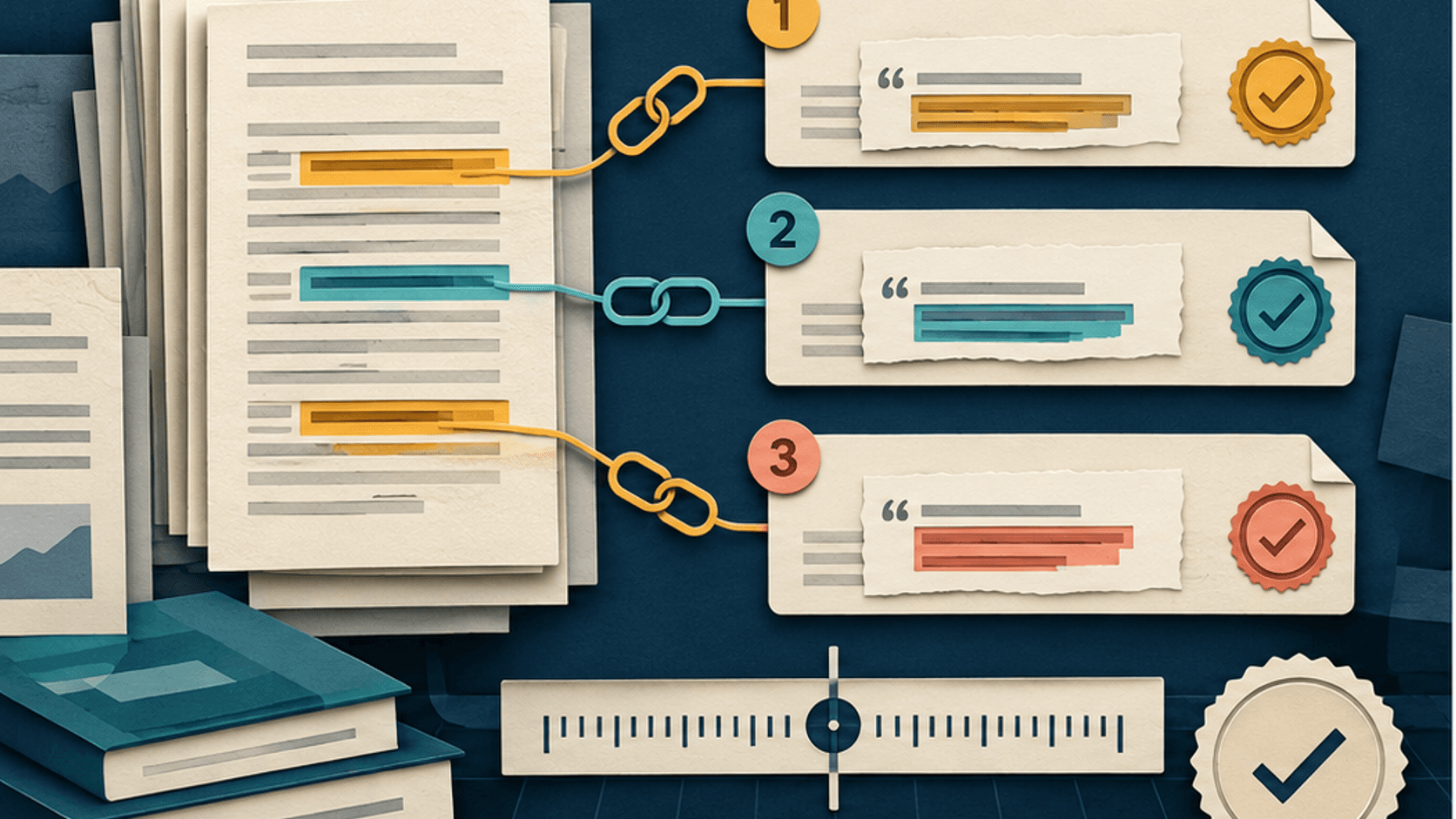
AI can summarize contract language, flag unusual or one-sided clauses, compare terms against standard industry language, and highlight obligations, deadlines, and renewal terms. It is a triage tool—not a replacement for qualified legal review on high-stakes agreements.
Free workflow pilot checklist
Test the workflow before you buy the tool.
Get the buyer checklist, including task, owner, approval, fallback, and time-saved fields—plus one useful briefing a week.
Who this guide is for
This guide is designed for small business owners reviewing vendor agreements, leases, and client contracts who need to identify concerning clauses and understand contract implications before involving legal counsel. It focuses on what actually works for organizations with limited staff and budget—not what's possible with an enterprise technology team.
The decision framework
Use AI for first-pass review: summarize, flag anomalies, and identify your obligations. Escalate to a lawyer when the contract involves significant liability, intellectual property, employment terms, or disputes governed by unfamiliar jurisdiction.
Step-by-step workflow
- Upload the contract (redact sensitive financial figures if using a consumer AI tool)
- ask AI to summarize key obligations
- term
- and termination conditions
- flag unusual clauses and compare against standard terms
- list your commitments with deadlines
- and prepare specific questions for legal counsel on flagged items.
What to measure
- contracts reviewed
- issues flagged
- legal review time
- obligations tracked
Use a consistent measurement period and record the baseline before changing anything. Averages can hide the specific failures that create the most work, so track exceptions—rejected output, manual corrections, and edge cases—alongside the primary numbers.
Tools to evaluate
The tools linked in this guide are a practical starting shortlist, not a universal ranking. Test each option with your actual data and workflow rather than relying on feature lists or polished demos. The right choice for your organization depends on your specific tasks, volume, technical comfort, and whether you need collaboration features.
Risks and limitations
Consumer AI tools may store or process uploaded documents. For contracts containing sensitive financial data, trade secrets, or personal information, use enterprise-grade tools with appropriate data processing agreements or consult your lawyer directly. AI can miss jurisdiction-specific legal nuances.
Bottom line
The most effective approach to AI small business contract review 2026 is the one your team will actually use consistently. Start with one workflow, document the baseline, run a realistic pilot, and measure results honestly. Expand only when the first improvement is stable and the team trusts the process.
Transparency
How this guide was checked
Editorial accountability
Who checked this guide
- Evaluation type
- Research-based verification
- Last materially checked
- Evidence
- 2 listed sources
Hands-on testing is identified explicitly. Research-based coverage uses cited product documentation and other named sources; it does not imply every paid plan was used. Read the full methodology.
Editorial basis
What this guidance is based on
- Editorial basis
- Source-led analysis
- Primary references
- 2
- Products covered
- 3
- Last checked
- 2026-08-20
Important limits
- • Features, availability, and pricing can change after publication; confirm consequential details with the provider.
Sources and references
References cited by this article. Check the original source for scope, dates and current terms.
Frequently asked questions
What is the fastest way to start with AI small business contract review 2026?
Pick one high-volume, low-risk task from the workflow above. Define the current time and quality baseline, test with real input for two to four weeks, and measure complete approved results—not just the first generated output.
How do I know if an AI tool is actually saving time?
Track the full process from start to approved result, including review, correction, and handoff time. If the total is not meaningfully lower than your manual baseline after the learning period, the tool may not be the right fit or the task may need more human judgment than anticipated.
What should small organizations watch out for with AI tools?
Data privacy for sensitive information (donor, client, employee), usage limits on free tiers, output accuracy requiring human verification, and the temptation to automate judgment calls that need human context. Consumer AI tools may store or process uploaded documents.
Should our organization pay for AI tools or stick with free plans?
Start with free tiers to validate that AI meaningfully helps with your specific workflows. Upgrade when a paid plan removes a measured bottleneck—usage limits, data privacy controls, collaboration features, or output quality—and the value recovered demonstrably exceeds the subscription cost.
Tools mentioned in this article
Claude
Anthropic's thoughtful, safety-focused AI with exceptional long-form reasoning
Claude excels at deep analysis, long-form writing, and nuanced reasoning. Built by Anthropic with a focus on safety and helpfulness.
ChatGPT
The general-purpose AI assistant that started it all
OpenAI's flagship conversational AI model, powering everything from casual chat to complex reasoning, coding, and creative work.
Google Gemini
Google's deeply integrated AI assistant with unmatched access to Google's ecosystem
Gemini combines powerful AI with Google's vast data ecosystem — Search, Gmail, Docs, YouTube, and more — for a uniquely integrated experience.
Read next