DiscoverAI guide library
Practical AI guidance, organized around the work you need to do.
Skip the endless archive. Start with your topic, audience, or immediate problem, then follow a focused path through independent guides, comparisons, and workflows.
Not sure where to begin?
Answer three questions and get a focused tool shortlist for your budget and priority.
Use the AI Tool Finder →Choose a pathway
Explore by topic
Owners and lean teams
Work & Operations
Save time on research, meetings, planning, finance, administration, and repeatable operations.
Marketing and fundraising teams
Marketing & Growth
Plan campaigns, improve social publishing, email, analytics, fundraising, and measurable growth.
Writers and publishers
Content & Search
Research, write, optimize, refresh, and distribute useful content with responsible AI workflows.
Creators and communications teams
Video, Audio & Creative
Create, edit, repurpose, and distribute video, voice, podcasts, images, and presentations.
Service and community leaders
Customers & Community
Improve customer support, donor stewardship, volunteer coordination, outreach, and client communication.
Builders and decision makers
Build, Design & Govern
Choose and deploy AI safely across websites, apps, design systems, privacy, security, and governance.
Editor recommended
Start with these essential guides
Curated editorially as useful starting points; not a claim of traffic popularity.

How Small Business Owners Can Save 10+ Hours a Week With AI Automation in 2026
A practical, no-hype guide to automating the repetitive tasks that consume small business owners' most limited resource: time.
A practical, no-hype guide to automating the repetitive tasks that consume small business owners' most limited resource: time. Written for small business owners working 50+ hours a week on operations, marketing, and admin, with a decision framework, step-by-step workflow, measurable outcomes, and clear limitations.
Read guide
How Understaffed Nonprofits Can Build Capacity With AI Tools in 2026
A strategic framework for using AI to multiply a small team's output without burning out the people you have.
A strategic framework for using AI to multiply a small team's output without burning out the people you have. Written for nonprofit executive directors leading teams of fewer than five people, with a decision framework, step-by-step workflow, measurable outcomes, and clear limitations.
Read guide
How to Choose the Right AI Tool for Your Business
Stop chasing every new AI launch. A practical decision framework for evaluating AI tools based on your actual needs, budget, and risk tolerance.
A practical decision framework for evaluating AI tools: define the problem, score contenders, decide build vs. buy, and know when to cancel. No hype, just a repeatable process.
Read guide
Recently published
Latest guides

ORANO Review: Saved Videos, Action Plans and MCP Costs
ORANO is worth a small trial for turning saved videos into usable notes; its read-only MCP connection is a separate purchase from mobile Pro.
ORANO is worth a small trial for turning saved videos into usable notes; its read-only MCP connection is a separate purchase from mobile Pro.
Read guide

Music Video AI Review: Beat-Synced Drafts and Credit Costs
Music Video AI is a candidate for musicians exploring release visuals; compare the cost of an approved edit, not the number of advertised drafts.
Music Video AI is a candidate for musicians exploring release visuals; compare the cost of an approved edit, not the number of advertised drafts.
Read guide

hairforge Review: AI Beard Previews and Expiring Credits
hairforge can help prepare a beard-style discussion; use previews as visual ideas and check credit expiry before buying a pack.
hairforge can help prepare a beard-style discussion; use previews as visual ideas and check credit expiry before buying a pack.
Read guide
A useful inbox, not a noisy one
Make better AI decisions each week.
Get practical tool recommendations, important product and pricing changes, and carefully selected workflows for lean organizations.
Browse reviews, news and guides

LogoMe.ai Review 2026: Features, Pricing Caveats, and Fit
LogoMe can accelerate early logo exploration, but the final decision depends on originality, small-size performance, usable exports, clear rights, and the checkout total.
A research-based LogoMe.ai review for small organizations, covering its guided logo workflow, brand-kit promise, pricing uncertainty, rights checks, and a fair buyer test.
Read guide

Beautiful.ai Review 2026: AI Slides, Pricing, and Team Fit
Beautiful.ai is useful when repeatable layout quality matters more than total canvas freedom—and only if the final deck survives factual and handoff review.
Beautiful.ai accelerates consistent business presentations with adaptive Smart Slides. Test the finished deck, not the first prompt.
Read guide
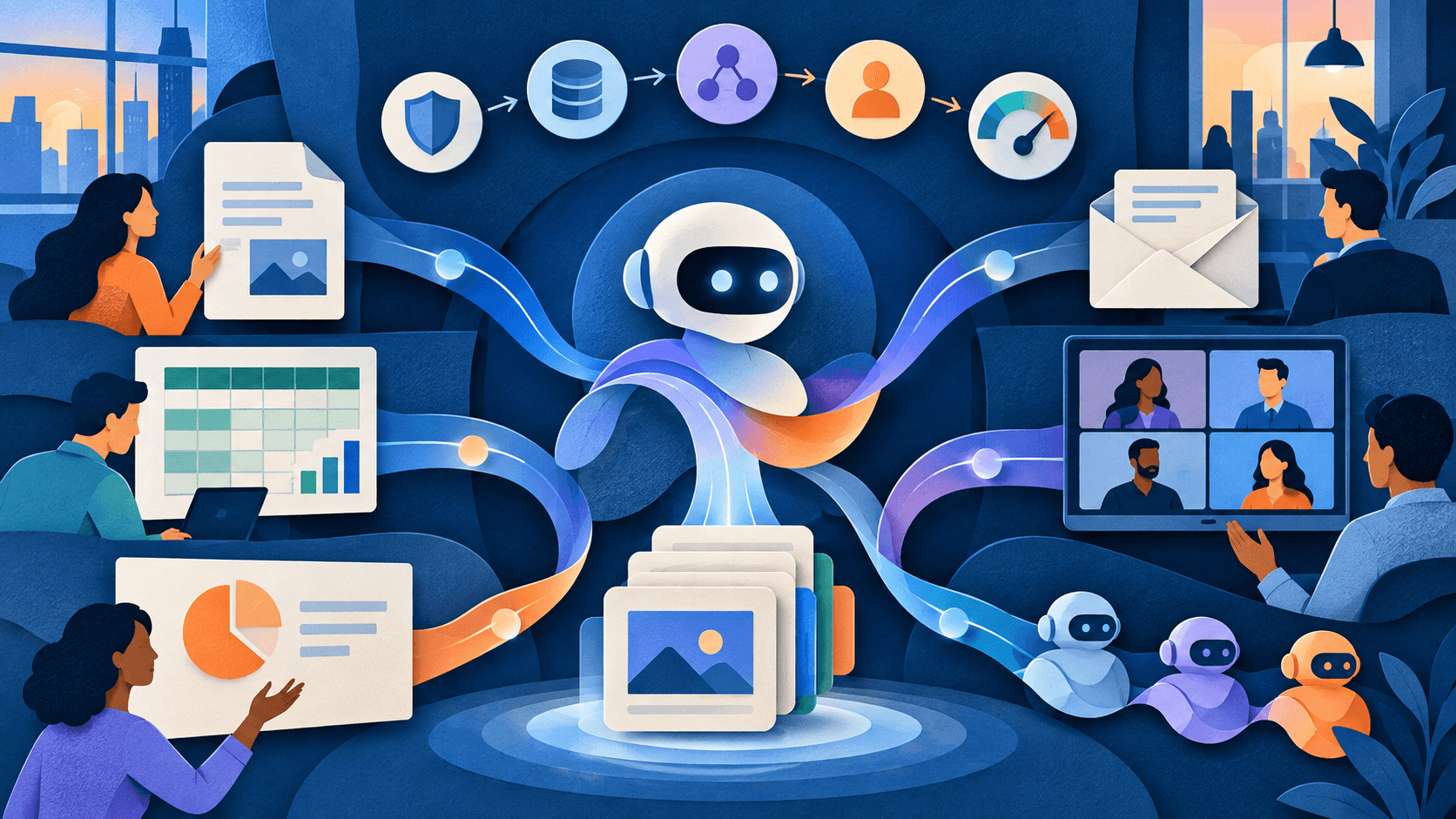
Microsoft Copilot Review 2026: Plans, Agents, and Business Fit
Copilot's advantage is Microsoft 365 context; its risk is scaling old permission, content, and process problems with a faster interface.
Microsoft Copilot can reduce switching inside Microsoft 365, but buyers must separate included chat, paid seats, metered agents, and measurable outcomes.
Read guide

Taka AI Review 2026: Pricing, Credits, Pros & Cons
Taka can turn a brand brief into a reviewable week of channel-specific social content, but media credits, creative control, and approval quality decide its value.
A research-based Taka AI review for small teams, covering annual pricing, expiring media credits, brand learning, weekly planning, publishing controls, and fit.
Read guide
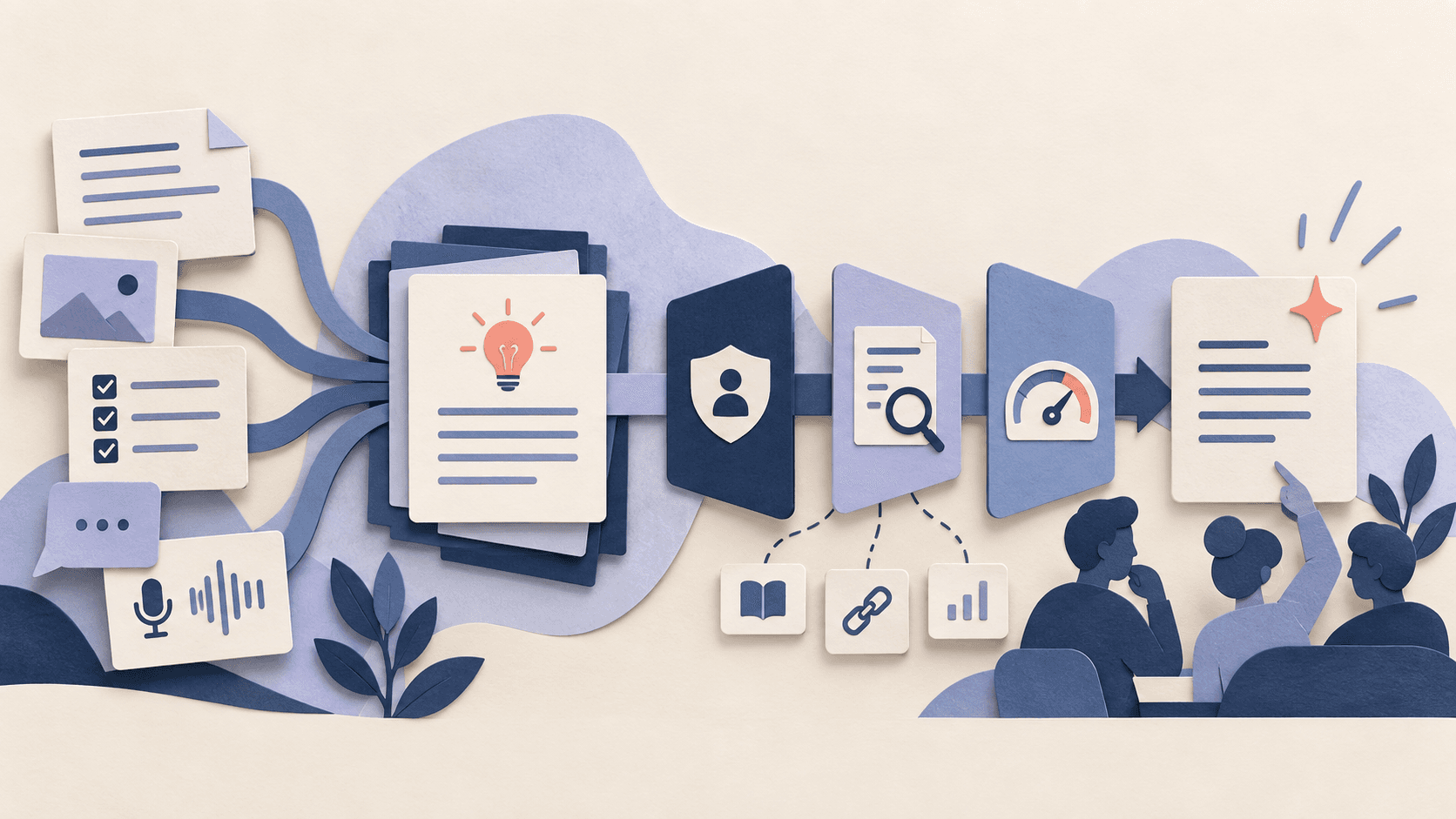
Notion AI Review 2026: Pricing, Agents, and Team Fit
The reason to buy is governed workspace context—not generic chat—and its value depends on knowledge quality, permissions, allowances, and credits.
Notion AI can consolidate search, meeting notes, research, and automation for teams already committed to Notion. Price the full plan and metered work.
Read guide
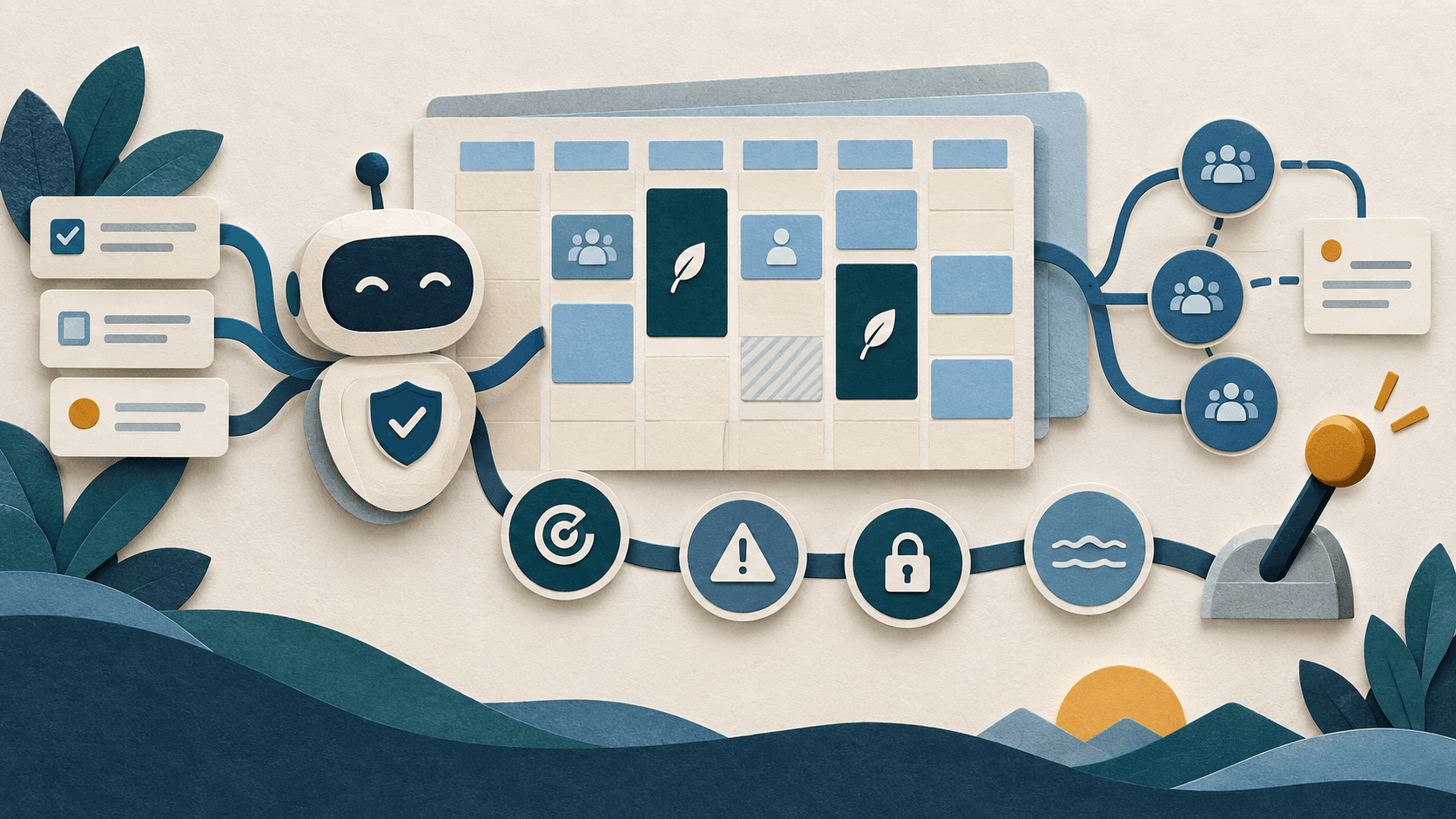
Reclaim AI Review 2026: Pricing, Calendar Automation, and Fit
Adaptive scheduling can protect important work, but a moving calendar needs shared rules, privacy review, human override, and measured results.
Reclaim AI is a serious free-to-paid option when focus time repeatedly loses to calendar changes. Measure completed work before expanding seats.
Read guide

Airtable Omni Review 2026: AI Apps, Pricing, and Fit
Omni can turn structured records into conversational apps and actions, but the real purchase is Airtable seats, data design, permissions, and governed AI capacity.
Airtable Omni is best for teams already using Airtable as an operational source of truth. Test permissions, correction time, AI credits, and maintainability before expanding seats.
Read guide

ClickUp Brain Review 2026: AI Pricing, Agents, and Fit
Brain brings assistants, models, artifacts, and agents into ClickUp's work graph; member pricing, credits, and workspace quality determine the return.
ClickUp Brain is strongest for teams whose authoritative tasks, docs, and discussions already live in ClickUp. Price the entire workspace and verify accepted time savings.
Read guide

Sierra AI Review 2026: Agents, Pricing & Enterprise Fit
A research-based assessment of Sierra's capabilities, economics, evidence, and operational fit.
Sierra is a serious shortlist for large customer-experience teams that want an AI agent to resolve—not merely summarize—customer requests across several channels. Its distinctive commercial idea is outcome-based pricing. That alignment is valuable only when the contract defines a successful outcome, exclusions, reversals, quality thresholds, and disputed attribution with unusual precision.
Read guide

OpenEvidence Review 2026: Clinical AI, Sources & Safety
A research-based assessment of OpenEvidence's capabilities, economics, evidence, and operational fit.
OpenEvidence is compelling for verified clinicians who need a fast, cited synthesis of medical literature at the point of care. Licensed journal and guideline access can make it more useful than a general chatbot for clinical questions. It remains decision support: citations can be misapplied, evidence can conflict or lag, and a fluent synthesis cannot see the patient, assume liability, or replace professional judgment.
Read guide

Harvey AI Review 2026: Legal Agents, Security & Fit
A research-based assessment of Harvey's capabilities, economics, evidence, and operational fit.
Harvey is a serious shortlist for large law firms and in-house teams that need legal research, drafting, document analysis, matter collaboration, and agents in one governed environment. Its strongest differentiator is legal-workflow depth with enterprise controls, not immunity from hallucination or professional responsibility. Pricing is sales-led, so value must be proven against accepted legal work and reviewer time.
Read guide

Tavus Review 2026: Conversational Video AI & Pricing
A research-based assessment of Tavus's capabilities, economics, evidence, and operational fit.
Tavus is worth testing when face-to-face presence could improve a specific conversation such as onboarding, coaching, interviewing, or guided support. It packages real-time speech, vision, turn-taking, rendering, knowledge, memory, and tools behind one interface. A lifelike agent can also magnify mistaken answers, disclosure failures, biometric concerns, and user over-trust, so video should earn its added cost and risk against a voice or text baseline.
Read guide

Hedra Review 2026: AI Characters, Video Models & Pricing
A research-based assessment of Hedra's capabilities, economics, evidence, and operational fit.
Hedra is a strong creative shortlist for teams that want reusable characters, talking performances, image and video generation, voice, and access to multiple visual models in one workflow. Its practical advantage is continuity across a campaign rather than one impressive clip. Buyers still need to test identity drift, lip sync, editability, credit burn, disclosure, likeness rights, and whether approved footage per dollar beats a narrower tool.
Read guide
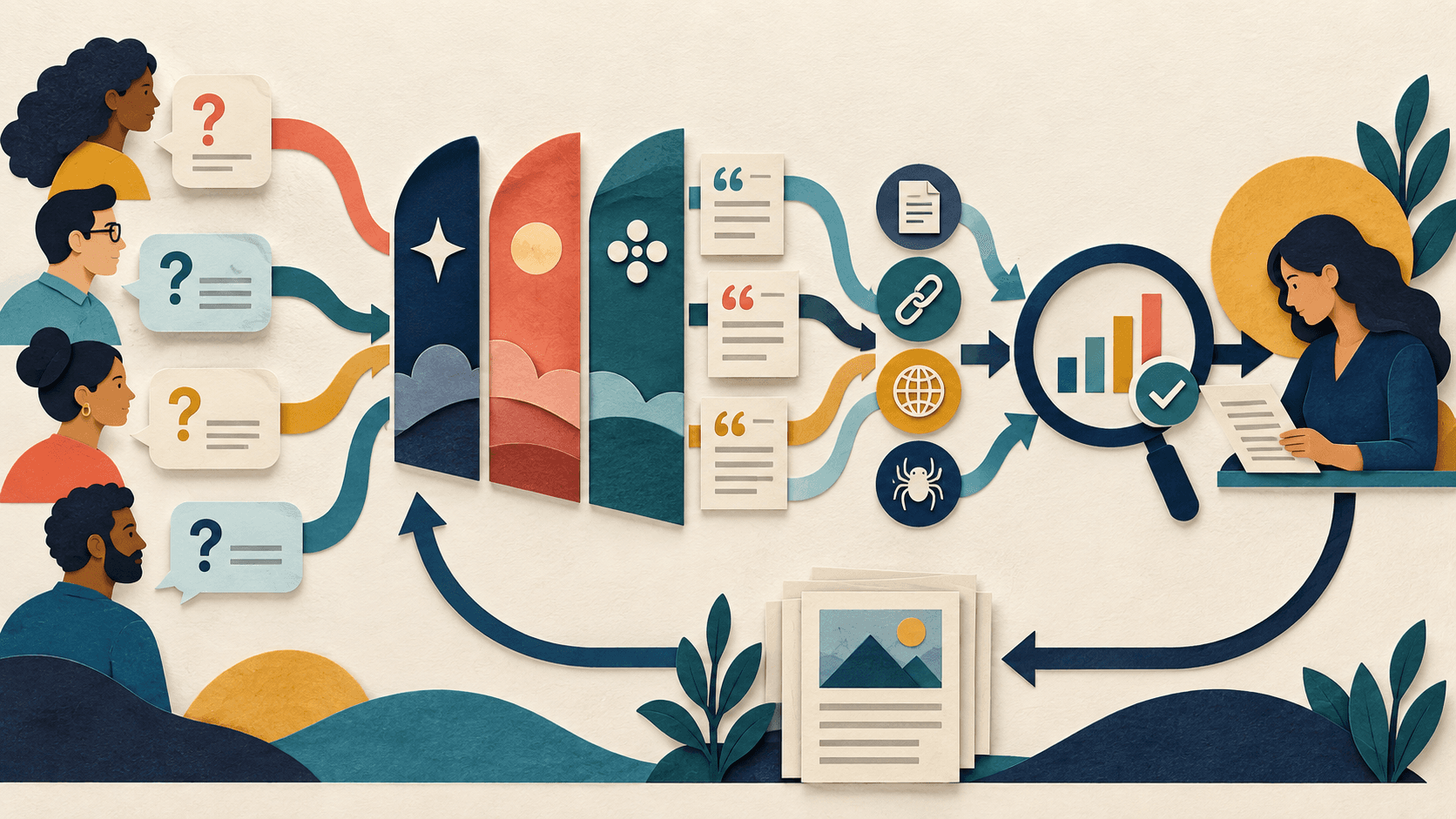
Profound Review 2026: AI Search Visibility, Agents & Pricing
A research-based assessment of Profound's capabilities, economics, evidence, and operational fit.
Profound is a serious shortlist for established brands building a measurable answer-engine optimization program. It connects prompt demand, brand visibility, citations, crawler behavior, AI-referred traffic, and content workflows. Its biggest limitation is attribution: observed mentions, citations, and visits do not by themselves prove incremental revenue or that a Profound recommendation caused a change.
Read guide

Cresta Review 2026: Contact Center AI, Agents & Pricing
A research-based assessment of Cresta's capabilities, economics, evidence, and operational fit.
Cresta is worth evaluating for large contact centers that want AI agents, real-time human-agent guidance, and conversation intelligence on one enterprise platform. The opportunity is a shared learning loop across automated and human conversations. The risk is optimizing a vendor score or containment rate while customer outcomes, consent, fairness, or escalation quality deteriorate.
Read guide

Pylon Review 2026: B2B Support, AI Agents & Pricing
A research-based assessment of Pylon's capabilities, economics, evidence, and operational fit.
Pylon is a strong shortlist for B2B software companies that support customers across Slack, Teams, email, chat, phone, and shared operational systems. Its distinctive opportunity is turning those fragmented conversations into account context that humans and agents can use. The tradeoff is a broad data and action surface, sales-led core pricing, and a still-evolving Agentic Support credit model.
Read guide

Delphi AI Review 2026: Digital Minds, Voice & Pricing
A research-based assessment of Delphi's capabilities, economics, evidence, and operational fit.
Delphi is worth testing for creators, educators, coaches, and experts who have a substantial body of owned material and a clear reason to make it conversational at scale. Its opportunity is persistent audience access to an expert-shaped knowledge experience; its central risk is mistaken authority. A convincing voice and familiar answer style can make unsupported output feel more trustworthy than it is.
Read guide

Day AI Review 2026: Company Memory, GTM Agents & Pricing
A research-based review of Day AI's capabilities, economics, data boundaries, and operational fit.
Day AI combines permission-aware company memory with role-based agents that can prepare meetings, draft follow-ups, manage pipeline work, and run scheduled go-to-market tasks.
Read guide